
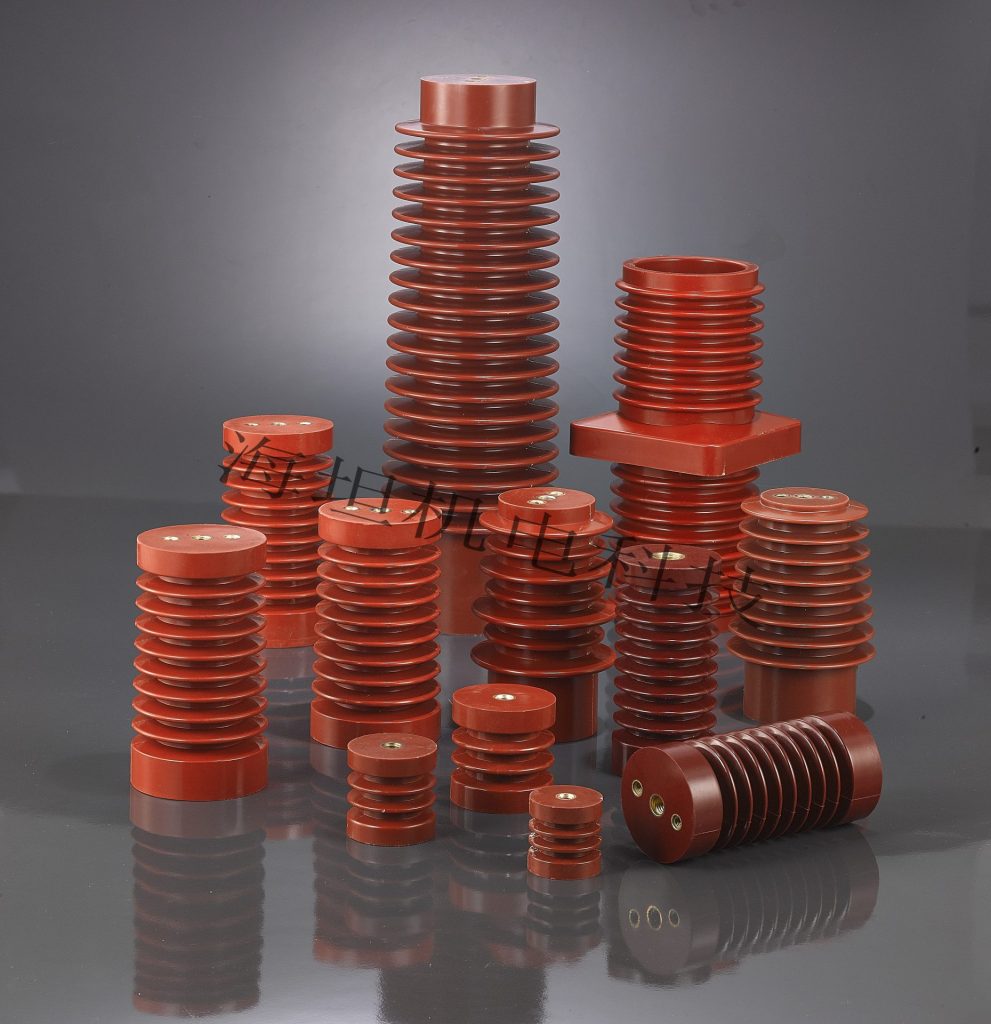
Applications of Hexagon Busbar Support Insulators in Switchgear and Distribution Panels
مدونة | غرفة الأخبار | مارس 11,2026
مقدمة
في أنظمة توزيع الطاقة الكهربائية الحديثة switchgear and distribution panels are responsible for controlling, protecting, and distributing electrical energy safely. Inside these systems, busbars carry large electrical currents between different components, making reliable insulation and mechanical support essential.
Hexagon busbar support insulators are widely used in these applications to secure busbars and maintain electrical isolation between conductive parts and the metal structure of the equipment. Manufactured from high-performance insulating materials such as DMC (مركب تشكيل العجين) أو بي إم سي, these insulators provide excellent electrical insulation, mechanical strength, and thermal stability.
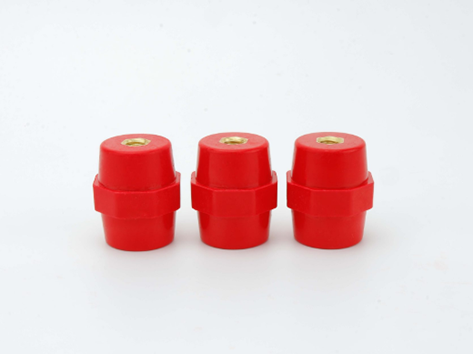
What Are Hexagon Busbar Support Insulators?
Hexagon busbar support insulators are insulating mounting components designed to support and fix copper or aluminum busbars inside electrical equipment.
Their typical structure includes:
أ hexagonal insulating body
Metal threaded inserts or studs
Mounting bolts or screws
The hexagonal shape allows easy installation using standard tools and provides better torque resistance during tightening.
These insulators ensure that busbars remain securely positioned while electrically isolated from grounded structures, preventing electrical faults and improving operational safety.
Importance in Switchgear and Distribution Panels
Switchgear and distribution panels often operate in environments where electrical currents, heat generation, and mechanical forces are present simultaneously. Busbar support insulators help maintain structural integrity and electrical insulation within these systems.
Their main functions include:
Supporting heavy busbars
Maintaining insulation between conductive parts
Ensuring proper electrical clearance
Organizing conductor layouts inside panels
Without reliable busbar support insulators, the risk of short circuits, insulation failure, and mechanical instability would increase significantly.
Key Applications in Switchgear
Supporting Main Busbars
In low-voltage switchgear, busbars serve as the main conductors distributing electrical power between circuit breakers and other components.
Hexagon busbar support insulators provide stable mounting points for these busbars, ensuring they remain properly aligned and insulated from the metal panel structure.
Benefits include:
Secure mechanical support for heavy copper busbars
Proper electrical insulation from grounded surfaces
Reduced vibration during operation
This improves the reliability of the switchgear system and helps maintain safe electrical performance.
Maintaining Electrical Clearance
Electrical standards require specific clearance and creepage distances between conductive components to prevent electrical tracking or arcing.
Hexagon busbar support insulators help maintain these distances by holding busbars at precise heights and positions inside the switchgear.
This ensures:
Compliance with electrical safety standards
Reduced risk of electrical discharge
Improved insulation coordination
Supporting Vertical and Horizontal Busbar Systems
Switchgear often includes both horizontal busbars for power distribution و vertical busbars for feeder connections.
Hexagon busbar support insulators are used to mount both types, providing strong mechanical stability while maintaining insulation between phases.
Their robust construction allows them to support busbars in various orientations without compromising safety.
Applications in Distribution Panels
Busbar Mounting in Power Distribution Boards
In distribution panels, busbars distribute electricity to multiple circuits. Hexagon busbar support insulators ensure these conductors remain firmly mounted and electrically isolated.
This prevents accidental contact with the metal enclosure or other conductors, reducing the risk of short circuits.
Wire and Conductor Management
In addition to supporting busbars, these insulators can also function as wire holders, helping organize electrical conductors within the panel.
This improves:
Internal wiring organization
كفاءة التثبيت
Maintenance accessibility
Well-organized wiring systems are easier to inspect and maintain, improving long-term reliability.
Thermal Stability in High-Current Systems
High current flowing through busbars generates heat. Hexagon busbar support insulators made from DMC materials offer excellent thermal resistance, allowing them to maintain structural integrity even under elevated temperatures.
Typical performance includes:
Operating temperature range from –40°C to 130°C
Strong resistance to thermal deformation
Long service life in demanding electrical environments
This makes them suitable for continuous operation in power distribution equipment.
Advantages of Hexagon Busbar Support Insulators
Compared with traditional cylindrical insulators, hexagon busbar support insulators provide several practical benefits.
Easy Installation
The hexagonal shape allows technicians to tighten the insulator using a wrench, simplifying installation and adjustment.
Strong Mechanical Stability
Their structure provides excellent compressive strength and load-bearing capacity, ensuring stable support for heavy busbars.
Excellent Insulation Performance
High dielectric strength and tracking resistance help maintain reliable electrical insulation.
Flame Retardant and Heat Resistant
Most DMC busbar insulators meet flame-retardant standards, improving safety in electrical equipment.
Typical Materials Used
Hexagon busbar support insulators are commonly manufactured from DMC or BMC composite materials.
These materials offer several advantages:
High dielectric strength
Excellent mechanical durability
تثبيط اللهب
مقاومة الرطوبة
Chemical resistance
Because of these properties, they are widely used in industrial electrical equipment and power distribution systems.
خاتمة
Hexagon busbar support insulators play a crucial role in the safe operation of switchgear and distribution panels. By providing reliable mechanical support and electrical insulation, they help maintain proper busbar alignment, ensure required electrical clearances, and improve the overall safety of electrical systems.
Their durable insulating materials, strong structural design, and ease of installation make them an ideal solution for modern low-voltage power distribution equipment. As electrical systems continue to evolve toward higher efficiency and compact designs, high-quality busbar support insulators will remain essential components in switchgear and distribution panels.
التعليمات
1. What is a hexagon busbar support insulator used for in switchgear?
A hexagon busbar support insulator is used to securely mount and electrically isolate busbars inside switchgear systems. It supports the weight of copper or aluminum busbars while preventing electrical contact with the metal structure of the cabinet. This ensures safe power distribution and reduces the risk of short circuits.
2. Why are hexagon-shaped insulators preferred in electrical panels?
The hexagonal design allows installers to tighten or adjust the insulator easily using a wrench, which improves installation efficiency. It also provides better resistance to rotation compared with round insulators, ensuring that the mounting remains stable even under mechanical stress or vibration.
3. What materials are commonly used for busbar support insulators?
Most hexagon busbar support insulators are manufactured from DMC (مركب تشكيل العجين) أو BMC composite materials. These materials offer excellent electrical insulation, mechanical strength, and resistance to heat and flame, making them suitable for use in electrical switchgear and distribution panels.
4. How do busbar support insulators improve electrical safety?
Busbar support insulators maintain the required clearance and creepage distance between conductive components. This helps prevent electrical tracking, arcing, and accidental contact between phases or grounded structures, improving the overall safety of the electrical system.
5. Where are hexagon busbar support insulators commonly installed?
These insulators are typically installed in:
Low-voltage switchgear assemblies
Electrical distribution boards
Industrial control cabinets
Motor control centers (MCC)
Power distribution panels
They help support and organize busbars and wiring inside these systems.
6. How do you select the correct busbar support insulator?
When selecting a busbar support insulator, engineers should consider several factors:
Rated voltage of the system
Mechanical load capacity
Insulator height and thread size
Material performance and insulation strength
Required creepage and clearance distances
Choosing the correct specification ensures reliable operation and compliance with electrical safety standards.
7. Can busbar support insulators withstand high temperatures?
Yes. High-quality busbar support insulators made from DMC materials typically operate in temperatures ranging from –40°C to around 130°C. They also offer good thermal stability and flame-retardant properties, making them suitable for high-current electrical equipment.
--- نهاية ---
 البريد الإلكتروني: [email protected]
  رقم 20 طريق لينغيون، دونغفنغ
المنطقة الصناعية، مدينة ليوشي، يويهتشينغ
المدينة بمقاطعة تشجيانغ

واتساب

ويشات
© حقوق الطبع والنشر 2024 شركة الصين هايتان للتكنولوجيا الكهروميكانيكية المحدودة. جميع الحقوق محفوظة.الدعم بواسطة: جونج سياسة الخصوصية
 Arabic
  English (United States)
  English (South Africa)
  Belarusian
  Bengali
  Japanese
  Kazakh
  Korean
  Myanmar
  Russian
  Thai
Thai  Ukrainian
  Uzbek
Uzbek  Vietnamese
  Chinese