
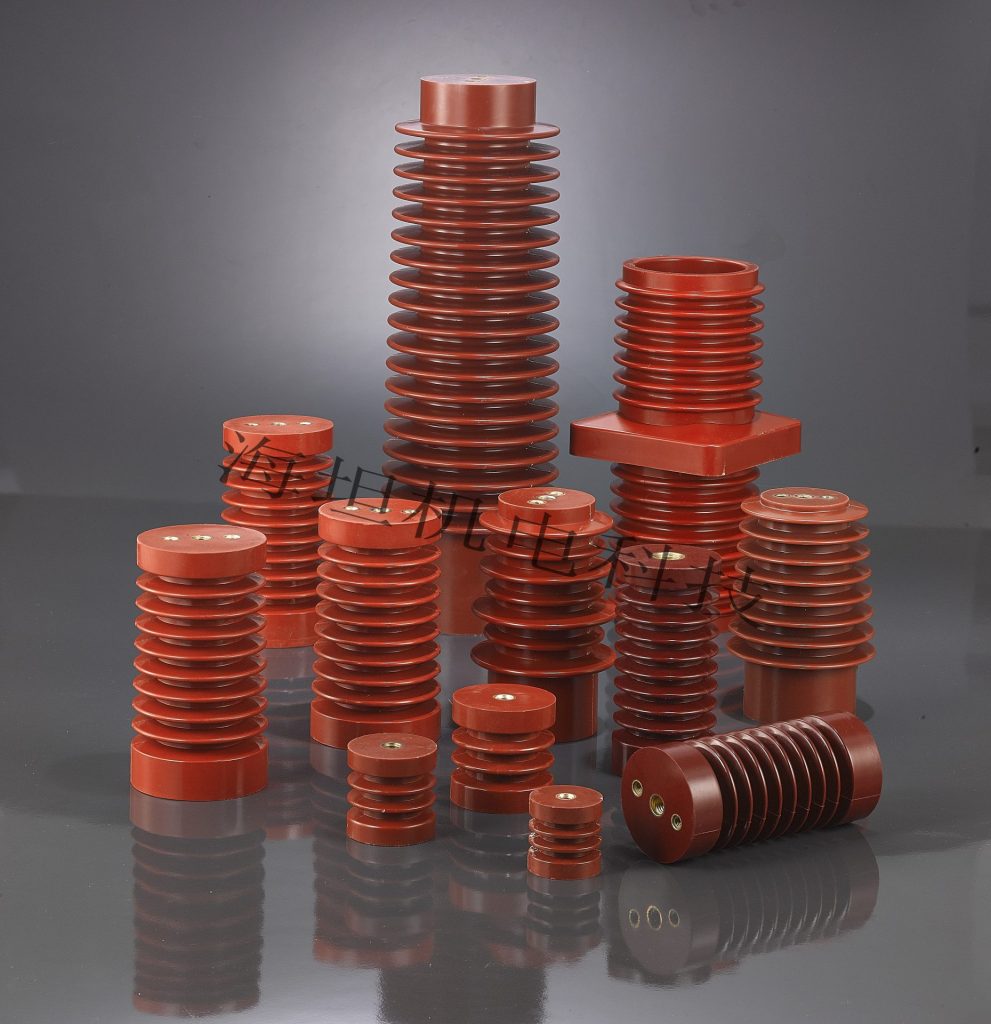
Combined Busbar Support Explained: A Complete Guide for Electrical Panels
مدونة | غرفة الأخبار | يناير 26,2026
مقدمة
In modern electrical panels and switchgear systems, efficient busbar arrangement and reliable insulation support are essential for safety, performance, and long-term stability. Combined busbar supports have become a widely adopted solution in low-voltage and medium-voltage electrical panels due to their compact design, mechanical strength, and ease of installation.
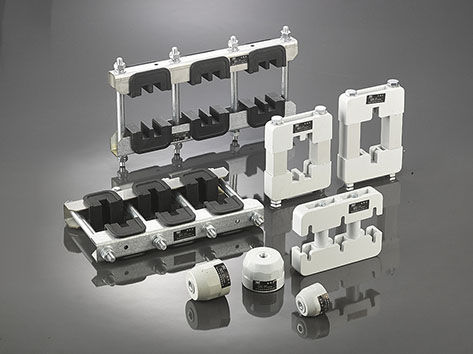
What Is a Combined Busbar Support?
أ دعم بسبار مجتمعة is an insulating structural component designed to hold and separate multiple busbars within an electrical panel. Unlike single busbar supports that secure only one conductor, a combined busbar support can accommodate two or more busbars in a fixed configuration.
Its primary functions are:
Providing mechanical support for busbars
Maintaining safe electrical insulation distances
Ensuring accurate busbar alignment
Withstanding thermal and electrodynamic forces during operation and short circuits
Combined busbar supports are typically mounted on panel backplates, DIN rails, or structural frames inside switchboards and distribution cabinets.
Why Combined Busbar Supports Are Used in Electrical Panels
Compact and Organized Panel Layout
By holding multiple busbars in one integrated structure, combined supports reduce the number of individual mounting points. This helps create a cleaner, more compact internal layout, especially in high-density distribution boards.
Improved Mechanical Stability
Busbars experience mechanical stress caused by thermal expansion, vibration, and short-circuit forces. Combined supports distribute these forces more evenly, reducing the risk of deformation or displacement.
Consistent Insulation Distances
Proper phase-to-phase and phase-to-ground spacing is critical for electrical safety. Combined busbar supports are designed with fixed insulation distances that comply with international standards, minimizing the risk of flashover.
Faster Installation and Maintenance
Using one support instead of several individual ones simplifies installation, reduces assembly time, and makes future maintenance more convenient.
Typical Applications of Combined Busbar Supports
Combined busbar supports are commonly used in:
Low-voltage switchgear and control panels
Power distribution boards
Motor control centers (MCCs)
Industrial automation cabinets
Energy storage and renewable energy systems
Commercial and infrastructure electrical installations
They are suitable for both copper and aluminum busbars and can be adapted to vertical or horizontal mounting configurations.
Common Materials Used for Combined Busbar Supports
The performance of a combined busbar support largely depends on its insulating material. Common options include:
DMC / BMC (Polyester-Based Thermosetting Materials)
قوة ميكانيكية عالية
عزل كهربائي ممتاز
Good heat resistance
Strong arc and tracking resistance
These materials are widely used in industrial-grade electrical equipment.
Engineering Thermoplastics
Lightweight and cost-effective
Suitable for moderate current applications
Easier to mold into complex shapes
Material selection should consider operating temperature, current rating, and environmental conditions.
Key Technical Parameters to Consider
When selecting a combined busbar support, the following parameters are critical:
Rated voltage
Rated current
Busbar size and thickness
Number of busbars supported
Phase spacing requirements
Short-circuit withstand capability
Mounting method (screw, rail, or panel mount)
Operating temperature range
Ensuring these parameters match your system requirements helps maintain safety and compliance.
Installation Best Practices
To ensure optimal performance, follow these installation guidelines:
Verify busbar dimensions before installation
Use recommended tightening torque for mounting screws
Ensure proper alignment to avoid mechanical stress
Maintain required clearance distances
Inspect supports regularly in high-load systems
Correct installation improves service life and reduces the risk of electrical faults.
Combined Busbar Support vs. Single Busbar Support
| ميزة | دعم بسبار المشترك | Single Busbar Support |
| Supports multiple busbars | Yes | No |
| كفاءة الفضاء | عالي | معتدل |
| Installation time | Shorter | Longer |
| Panel organization | Better | معيار |
| Typical use | Compact panels, high-density systems | Simple layouts |
خاتمة
Combined busbar supports play a vital role in modern electrical panels by providing reliable insulation, mechanical strength, and efficient space utilization. Their integrated design helps engineers simplify panel layouts while maintaining safety and performance standards.
Choosing the right combined busbar support—based on material, electrical rating, and installation requirements—ensures long-term reliability and compliance in power distribution systems.
--- نهاية ---
 البريد الإلكتروني: [email protected]
  رقم 20 طريق لينغيون، دونغفنغ
المنطقة الصناعية، مدينة ليوشي، يويهتشينغ
المدينة بمقاطعة تشجيانغ

واتساب

ويشات
© حقوق الطبع والنشر 2024 شركة الصين هايتان للتكنولوجيا الكهروميكانيكية المحدودة. جميع الحقوق محفوظة.الدعم بواسطة: جونج سياسة الخصوصية
 Arabic
  English (United States)
  English (South Africa)
  Belarusian
  Bengali
  Japanese
  Kazakh
  Korean
  Myanmar
  Russian
  Thai
Thai  Ukrainian
  Uzbek
Uzbek  Vietnamese
  Chinese