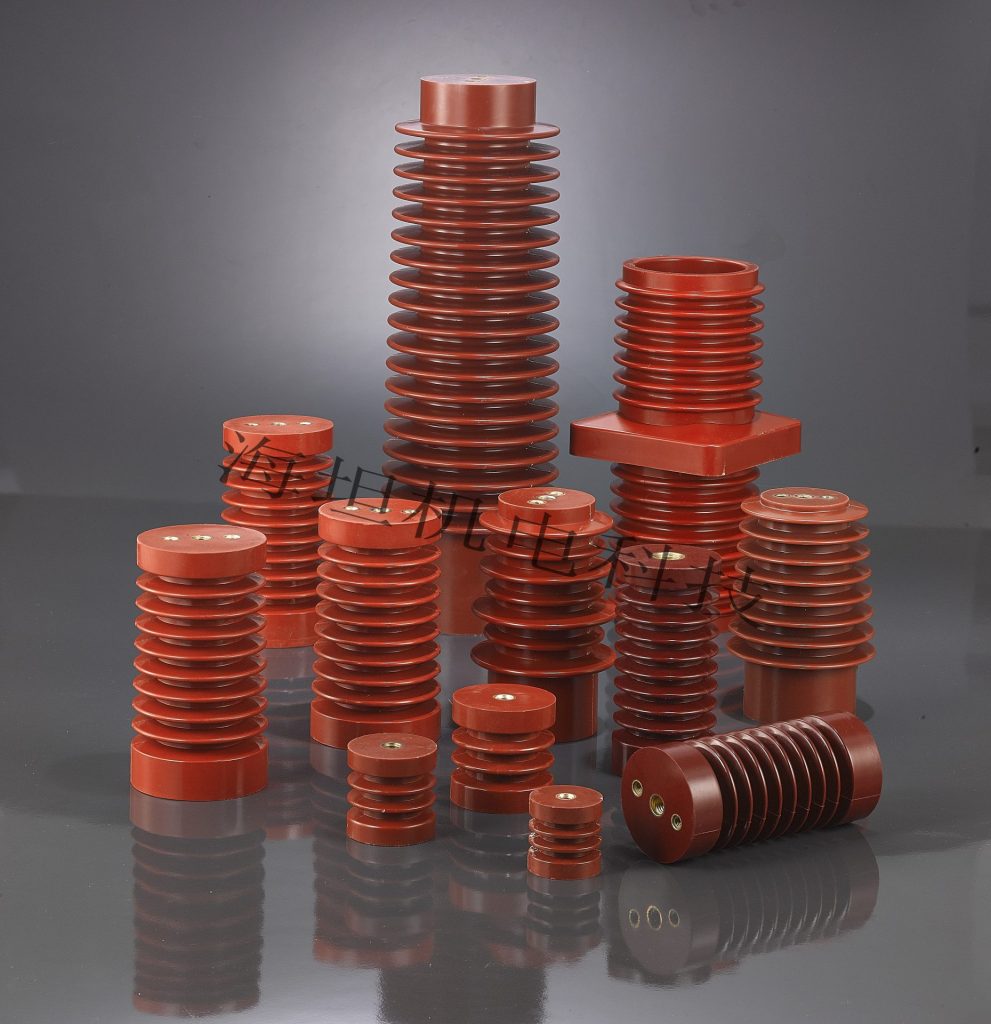
How to Choose the Right High Voltage Insulator for Your Project
مدونة | غرفة الأخبار | مايو 18,2026
مقدمة
In modern power transmission and electrical infrastructure, selecting the right عازل الجهد العالي is essential for ensuring system safety, operational reliability, and long-term performance. Whether used in substations, transmission lines, railway systems, renewable energy projects, or industrial power distribution, high voltage insulators play a critical role in isolating conductors and preventing electrical leakage.
However, choosing the correct insulator is not simply about matching voltage ratings. Environmental conditions, mechanical strength, material type, pollution levels, and installation requirements all influence the final decision.
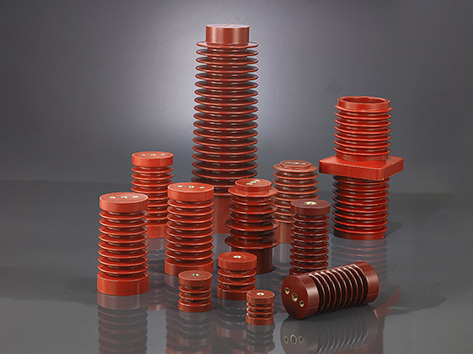
What Is a High Voltage Insulator?
أ عازل الجهد العالي is a component designed to support electrical conductors while preventing unwanted current flow to grounded structures. These insulators are widely used in:
Power transmission lines
Electrical substations
Railway electrification systems
Renewable energy installations
Industrial power networks
Their primary function is to provide electrical insulation and mechanical support under high voltage conditions.
Why Proper Insulator Selection Matters
Choosing the wrong insulator can lead to serious problems, including:
Flashover and power outages
Increased leakage current
Mechanical failure
Reduced equipment lifespan
Higher maintenance costs
Safety risks for personnel and equipment
A properly selected insulator improves system stability, minimizes downtime, and enhances operational safety.
Key Factors to Consider When Choosing a High Voltage Insulator
Voltage Rating Requirements
The first step is determining the operating voltage of your system. High voltage insulators must withstand both normal operating voltage and temporary overvoltages caused by switching or lightning events.
Typical classifications include:
Medium voltage insulators
High voltage insulators
Extra high voltage (EHV) insulators
Ultra high voltage (UHV) insulators
Always select an insulator with sufficient insulation margin to ensure long-term reliability.
الظروف البيئية
Environmental factors greatly influence insulator performance.
Coastal and Humid Areas
Salt contamination and moisture increase surface conductivity and flashover risk. In these environments, polymer insulators with hydrophobic properties are often preferred.
Industrial and Polluted Areas
Factories, mining operations, and chemical plants expose insulators to dust and pollutants. Anti-pollution designs with extended creepage distance help maintain insulation performance.
Desert and High UV Regions
Strong UV radiation and sand erosion can accelerate aging. UV-resistant silicone rubber materials provide better durability under extreme sunlight exposure.
Cold and Snowy Regions
Ice accumulation increases mechanical load and electrical stress. Insulators designed for anti-icing performance are recommended in harsh winter environments.
Understanding Creepage Distance
Creepage distance refers to the shortest path along the insulator surface between two conductive parts.
Longer creepage distance improves resistance to:
Pollution
Moisture
Salt contamination
تسرب الحالي
Projects located in polluted or humid environments typically require insulators with increased creepage distance to reduce flashover risks.
Choosing the Right Insulator Material
عوازل البورسلين
Porcelain insulators are known for:
قوة ميكانيكية عالية
Excellent aging resistance
Long service life
They are widely used in traditional transmission systems but are generally heavier and more fragile than modern alternatives.
Best For:
Conventional substations
Heavy-load applications
Long-term outdoor installations
العوازل الزجاجية
Glass insulators offer:
Easy visual inspection
Stable electrical properties
Strong resistance to surface aging
Damaged glass units are usually easy to identify, simplifying maintenance procedures.
Best For:
Transmission lines
Systems requiring easy fault detection
Polymer (Composite) Insulators
Polymer insulators have become increasingly popular due to:
Lightweight construction
مقاومة ممتازة للتلوث
Superior hydrophobic performance
Easier transportation and installation
They are especially effective in contaminated and coastal environments.
Best For:
Coastal regions
Polluted industrial areas
Railway systems
Modern smart grid projects
Mechanical Strength Requirements
High voltage insulators must withstand mechanical stresses such as:
Conductor tension
Wind load
Ice load
Seismic activity
Vibration
For heavy transmission applications, suspension insulators with high tensile strength are often preferred.
Always verify:
Tensile strength rating
Cantilever strength
Compression capability
before selecting an insulator.
أنواع عوازل الجهد العالي
Pin Type Insulators
Used mainly in lower voltage distribution systems.
Advantages:
Simple structure
Easy installation
فعالة من حيث التكلفة
عوازل التعليق
Commonly used in high voltage transmission lines.
Advantages:
Flexible voltage scaling
قوة ميكانيكية عالية
Easy maintenance
عوازل ما بعد
Widely used in substations and switchgear systems.
Advantages:
Strong support capability
Compact structure
High reliability
عوازل قضبان طويلة
Designed for high contamination resistance and modern transmission systems.
Advantages:
Better pollution performance
Reduced maintenance
Improved mechanical reliability
Industry Standards and Certifications
Reliable عوازل الجهد العالي should comply with international standards such as:
IEC standards
ANSI standards
ISO quality certifications
CE certification
RoHS compliance
Certified products ensure stable quality, safety, and international compatibility.
Maintenance and Service Life Considerations
Long-term operational cost is another important factor.
When selecting an insulator, consider:
Inspection frequency
Cleaning requirements
Resistance to aging
Ease of replacement
Expected service life
Polymer insulators often reduce maintenance workload due to their self-cleaning hydrophobic surfaces.
الأخطاء الشائعة التي يجب تجنبها
Ignoring Environmental Conditions
Selecting standard insulators for highly polluted environments often leads to premature failure.
Focusing Only on Initial Cost
Low-cost insulators may increase maintenance and replacement expenses over time.
Choosing Incorrect Creepage Distance
Insufficient creepage distance significantly increases flashover risk.
Overlooking Mechanical Requirements
Electrical performance alone is not enough; mechanical reliability is equally important.
Future Trends in High Voltage Insulator Technology
Modern high voltage insulator technology continues to evolve with:
Smart monitoring sensors
Lightweight composite materials
Improved anti-pollution coatings
AI-based predictive maintenance systems
Enhanced UV and corona resistance
As global power demand grows, advanced insulator technologies will become increasingly important for grid reliability and renewable energy integration.
خاتمة
اختيار الحق عازل الجهد العالي requires careful evaluation of electrical requirements, environmental conditions, material properties, mechanical strength, and long-term maintenance needs.
Porcelain, glass, and polymer insulators each offer unique advantages depending on the application. By selecting the proper insulator type and design, power system operators can improve safety, reduce downtime, and ensure stable long-term operation.
For modern electrical infrastructure projects, investing in high-quality high voltage insulators is essential for building reliable and efficient power systems.
التعليمات
What is the best material for high voltage insulators?
There is no universal answer. Polymer insulators are ideal for polluted and coastal environments, while porcelain insulators are preferred for heavy mechanical loads and traditional grid systems.
How do I determine the required creepage distance?
Creepage distance depends on operating voltage and environmental pollution levels. International standards such as IEC provide recommended values for different conditions.
Why are polymer insulators becoming more popular?
Polymer insulators are lightweight, highly resistant to pollution, and easier to install and maintain compared to porcelain alternatives.
What causes high voltage insulator failure?
Common causes include contamination, moisture, UV aging, mechanical overload, poor installation, and insufficient creepage distance.
How long do high voltage insulators last?
Service life varies depending on material type, operating conditions, and maintenance practices. High-quality insulators can operate reliably for several decades.
--- نهاية ---
 البريد الإلكتروني: [email protected]
 رقم 20 طريق لينغيون، دونغفنغ
المنطقة الصناعية، مدينة ليوشي، يويهتشينغ
المدينة بمقاطعة تشجيانغ

واتساب

ويشات
© حقوق الطبع والنشر 2024 شركة الصين هايتان للتكنولوجيا الكهروميكانيكية المحدودة. جميع الحقوق محفوظة.الدعم بواسطة: جونج سياسة الخصوصية
 Arabic
  English (United States)
  English (South Africa)
  Belarusian
  Bengali
  Japanese
  Kazakh
  Korean
  Myanmar
  Russian
  Thai
Thai  Ukrainian
  Uzbek
Uzbek  Vietnamese
  Chinese