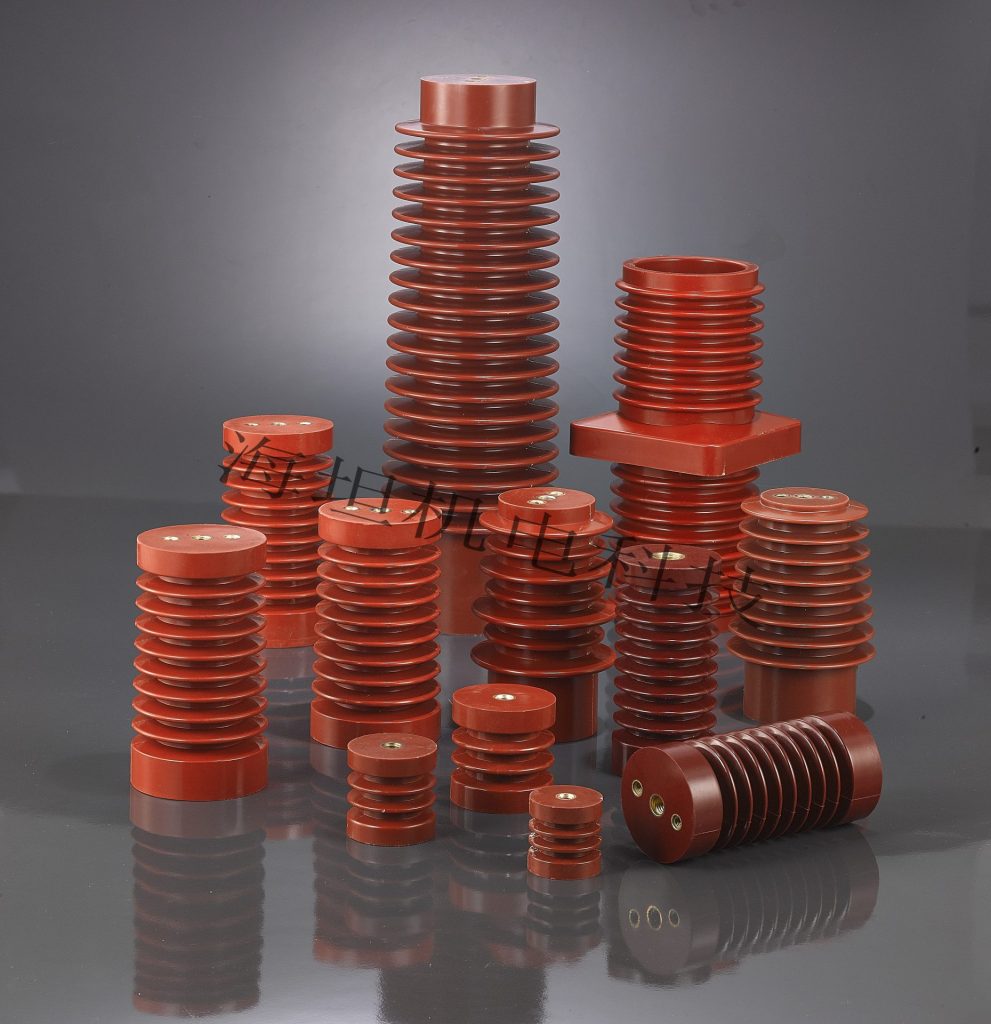
Where Are Low Voltage Busbar Support Insulators Commonly Used?
مدونة | غرفة الأخبار | أبريل 22,2026
مقدمة
Low voltage electrical systems require stable support, reliable insulation, and safe current distribution to ensure long-term performance and operational safety. One of the key components enabling this stability is the low voltage busbar support insulator. Often also referred to as a standoff insulator or wire holder insulator, it plays a critical role in securing busbars while maintaining electrical isolation in compact and high-density systems.
So, where exactly are these components commonly used? Let’s take a closer look at their key application areas.
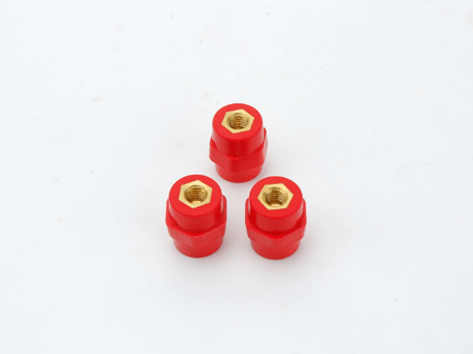
Power Distribution Panels and Switchgear
One of the most common applications of low voltage busbar support insulators is in power distribution panels and switchgear systems.
In these environments, busbars carry high electrical loads and must be firmly fixed in place to prevent movement, vibration, or accidental contact. The insulators provide:
Secure mechanical support for busbars
Electrical isolation between phases
Improved safety in high-current environments
This makes them essential in both industrial and commercial power distribution systems.
Electrical Enclosures and Control Cabinets
Inside electrical enclosures and control cabinets, space is often limited, and components are densely packed. Busbar support insulators help organize and isolate conductive parts efficiently.
They are widely used to:
Maintain proper spacing between conductors
Prevent short circuits in compact layouts
Improve airflow and heat dissipation inside cabinets
This application is especially important in automation control systems and industrial control panels.
Renewable Energy Systems (Solar PV & Wind Power)
In renewable energy infrastructure, reliability and insulation performance are critical. Busbar support insulators are commonly used in:
Solar photovoltaic (PV) combiner boxes
Inverters and power conversion systems
Wind power electrical converters
They ensure stable DC/AC busbar mounting while resisting environmental stress such as heat, humidity, and vibration.
Communication Base Stations and Network Equipment
Modern communication infrastructure relies on stable and uninterrupted power supply. In base stations and network cabinets, low voltage busbar support insulators are used to:
Support power distribution busbars
Maintain electrical isolation in dense layouts
Ensure continuous operation of critical communication systems
This helps improve reliability in telecom and data transmission systems.
Electric Vehicles and Battery Systems
In the rapidly growing EV industry, insulation and compact design are extremely important. Busbar support insulators are widely used in:
Battery management systems (BMS)
High-voltage and low-voltage busbar assemblies
Power distribution modules inside EV packs
They function as insulation busbar holders, ensuring safe current flow and preventing electrical leakage or short circuits within battery systems.
Industrial Automation and Machinery Control Systems
In industrial environments, machines operate under continuous load and vibration. Busbar support insulators provide stable support in:
PLC control systems
Robotics control panels
Manufacturing machinery electrical systems
They help maintain consistent electrical performance while reducing the risk of failure due to vibration or mechanical stress.
Medical and Laboratory-Grade Electrical Devices
Medical and laboratory equipment requires extremely high safety and precision standards. Low voltage busbar support insulators are used to:
Ensure safe isolation of electrical circuits
Prevent leakage currents in sensitive environments
Support stable operation of diagnostic and analytical devices
Their reliability is critical in environments where even minor electrical faults can have serious consequences.
Lightning Protection Systems and Grounding Networks
In electrical protection systems, busbar support insulators are also used in:
Grounding busbar installations
Lightning protection distribution systems
Surge protection grounding networks
They help maintain safe separation between conductive grounding paths and structural components, improving overall system safety.
خاتمة
Low voltage busbar support insulators are essential components across a wide range of industries. From power distribution and renewable energy to electric vehicles and medical equipment, they provide the foundation for safe, stable, and efficient electrical systems.
Their ability to combine mechanical support + electrical insulation makes them indispensable in modern electrical design, especially as systems become more compact and power-dense.
التعليمات
1. What is a low voltage busbar support insulator used for?
أ low voltage busbar support insulator is used to securely hold busbars in place while electrically isolating them from panels, enclosures, or other conductive parts. It ensures safe current distribution and prevents short circuits in electrical systems.
2. What is the difference between a standoff insulator and a wire holder insulator?
أ standoff insulator is mainly used to support and elevate busbars at a fixed distance from a mounting surface. A wire holder insulator is designed to organize and secure wires or smaller conductors while also providing insulation. Some products combine both functions depending on the design.
3. In which systems are low voltage busbar support insulators commonly used?
They are widely used in:
لوحات توزيع الطاقة والمفاتيح الكهربائية
العبوات الكهربائية وخزائن التحكم
Renewable energy systems (solar and wind power)
Communication base stations
Electric vehicles and battery systems
Industrial automation equipment
Medical and laboratory electrical devices
Grounding and lightning protection systems
4. What materials are used for busbar support insulators?
Common materials include:
DMC (مركب تشكيل العجين)
BMC (مركب صب السائبة)
Epoxy resin
These materials provide high dielectric strength, heat resistance, and mechanical durability.
5. Why are busbar support insulators important in low voltage systems?
They are essential because they:
Prevent electrical short circuits
Provide stable mechanical support for busbars
Maintain safe spacing between conductors
Improve overall system reliability and safety
6. Can these insulators handle high temperatures?
Yes. Most high-quality low voltage busbar support insulators are designed to withstand elevated operating temperatures, making them suitable for industrial environments and continuous-load applications.
7. Are busbar support insulators suitable for outdoor use?
Some models are suitable for outdoor applications if they are made with weather-resistant and UV-resistant materials. However, it is important to check the product specifications for environmental ratings.
8. How do I choose the right busbar support insulator?
You should consider:
Rated voltage and current level
Mechanical load requirements
Busbar size and mounting method
Environmental conditions (heat, humidity, corrosion)
Material type (DMC, epoxy, etc.)
9. Can busbar support insulators be customized?
Yes. Many manufacturers offer OEM/ODM customization, including different sizes, mounting structures, colors, and material options to meet specific project requirements.
10. Do busbar support insulators require maintenance?
Generally, they are maintenance-free. However, periodic inspection is recommended in high-vibration or harsh environments to ensure continued safety and performance.
--- نهاية ---
 البريد الإلكتروني: [email protected]
 رقم 20 طريق لينغيون، دونغفنغ
المنطقة الصناعية، مدينة ليوشي، يويهتشينغ
المدينة بمقاطعة تشجيانغ

واتساب

ويشات
© حقوق الطبع والنشر 2024 شركة الصين هايتان للتكنولوجيا الكهروميكانيكية المحدودة. جميع الحقوق محفوظة.الدعم بواسطة: جونج سياسة الخصوصية
 Arabic
  English (United States)
  English (South Africa)
  Belarusian
  Bengali
  Japanese
  Kazakh
  Korean
  Myanmar
  Russian
  Thai
Thai  Ukrainian
  Uzbek
Uzbek  Vietnamese
  Chinese