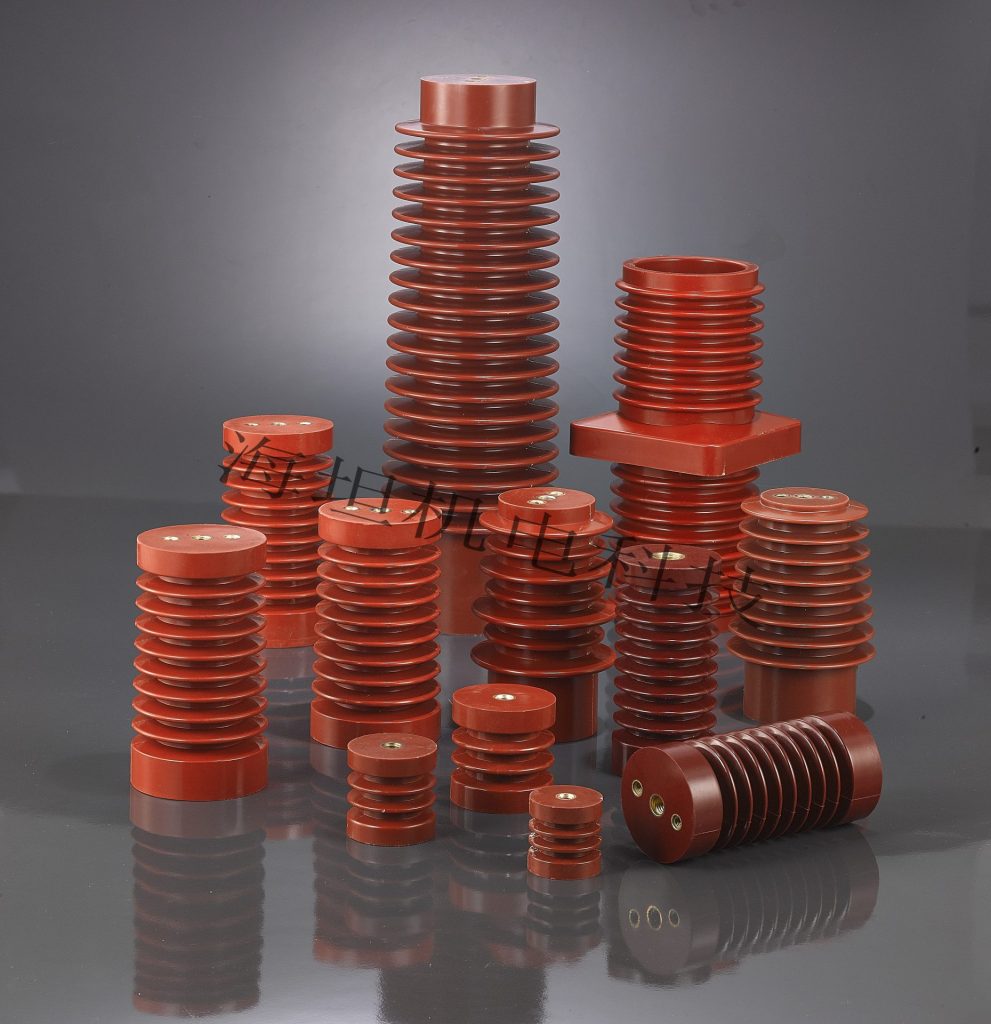
Choosing DMC Insulators: Key to Improving the Long-Term Operational Reliability of Low-Voltage Power Distribution Systems
Блог | Рэдакцыя | снеж 15,2025
Уводзіны
In low-voltage power distribution systems, long-term operational reliability is not determined by a single component, but by the stability and coordination of every element within the system. Among these components, insulators play a critical yet often underestimated role. Choosing the right material—particularly DMC (Dough Molding Compound) ізалятары—can significantly enhance system safety, durability, and performance over time.
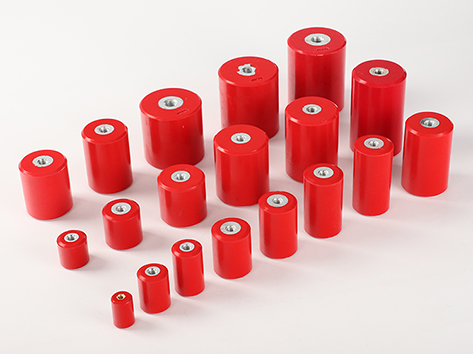
Understanding the Role of Insulators in Low-Voltage Power Distribution
Insulators are essential for:
Electrically isolating live conductors
Supporting busbars and electrical components
Preventing leakage currents, short circuits, and flashovers
In low-voltage switchgear, control panels, and distribution cabinets, insulators are continuously exposed to thermal stress, mechanical loads, humidity, dust, and electrical aging. Poor-quality or inappropriate materials can lead to cracking, tracking, or insulation breakdown—ultimately causing system failure.
What Are DMC Insulators?
DMC (сумесь для фармоўкі цеста) is a thermosetting polyester-based composite material reinforced with glass fibers and inorganic fillers. DMC insulators are widely used in low-voltage electrical applications due to their excellent balance of electrical, mechanical, and environmental properties.
Unlike traditional ceramic or basic plastic insulators, DMC materials are engineered for long service life and consistent performance in demanding operating conditions.
Why DMC Insulators Improve Long-Term Reliability
Excellent Electrical Insulation Performance
DMC insulators offer:
High dielectric strength
Low dielectric loss
Strong resistance to electrical tracking and arc erosion
These properties ensure stable insulation performance even under continuous voltage stress, reducing the risk of insulation degradation over time.
Superior Mechanical Strength and Dimensional Stability
Reinforced with glass fibers, DMC insulators provide:
High compressive and tensile strength
Resistance to vibration and mechanical impact
Minimal deformation under long-term load
This makes them ideal for supporting busbars and heavy conductors in compact low-voltage assemblies.
High Thermal Resistance for Continuous Operation
Low-voltage systems often experience heat buildup due to current flow. DMC insulators:
Maintain structural integrity at elevated temperatures
Resist thermal aging and cracking
Perform reliably during frequent load fluctuations
This thermal stability directly contributes to longer system life and reduced maintenance.
Outstanding Environmental and Chemical Resistance
DMC materials perform well in harsh environments, offering resistance to:
Moisture and humidity
Dust and industrial pollutants
Oils, weak acids, and alkalis
This makes DMC insulators particularly suitable for industrial plants, power distribution rooms, and outdoor-enclosed electrical cabinets.
Enhanced Fire Safety and Compliance
Most DMC insulators are designed to be:
Flame-retardant
Self-extinguishing
Compliant with international standards such as UL and IEC
In the event of electrical faults, DMC insulators help limit fire propagation, improving overall system safety.
Key Factors to Consider When Choosing DMC Insulators
To maximize long-term reliability, engineers and system designers should evaluate:
Rated voltage and creepage distance to meet application requirements
Mechanical load capacity based on busbar size and installation method
Operating temperature range for continuous and peak conditions
Mounting design and dimensional accuracy for easy installation
Compliance with relevant electrical and safety standards
Selecting the correct DMC insulator specification ensures optimal performance throughout the system’s lifecycle.
Typical Applications of DMC Insulators in Low-Voltage Systems
DMC insulators are commonly used in:
Low-voltage switchgear and distribution boards
Busbar support and standoff insulation
Motor control centers (MCCs)
Industrial control panels
Renewable energy and energy storage systems
Their versatility makes them a preferred choice for modern, compact, and high-reliability power distribution solutions.
Заключэнне
Choosing the right insulator material is a strategic decision that directly impacts the long-term operational reliability of low-voltage power distribution systems. With their superior electrical insulation, mechanical strength, thermal stability, and environmental resistance, DMC insulators provide a proven solution for ensuring safe, stable, and maintenance-efficient electrical systems.
For engineers and manufacturers aiming to build reliable low-voltage infrastructure, investing in high-quality DMC insulators is not just an option—it is a necessity.
FAQ: Choosing DMC Insulators for Low-Voltage Power Distribution Systems
What makes DMC insulators better than ceramic insulators in low-voltage systems?
DMC insulators offer better impact resistance, lighter weight, and superior dimensional stability compared to traditional ceramic insulators. Unlike ceramics, DMC materials are less prone to cracking under vibration or mechanical stress, making them more reliable for long-term operation in modern low-voltage distribution systems.
Are DMC insulators suitable for continuous operation in high-temperature environments?
Yes. DMC insulators are designed for excellent thermal resistance and can withstand continuous operation under elevated temperatures caused by current load and ambient heat. Their thermosetting structure prevents softening or deformation, ensuring long-term electrical and mechanical stability.
How do DMC insulators improve system safety?
DMC insulators enhance safety by offering:
High dielectric strength
Strong resistance to tracking and arc erosion
Flame-retardant and self-extinguishing properties
These features help reduce the risk of short circuits, insulation failure, and fire hazards in low-voltage power distribution equipment.
Can DMC insulators be used in humid or polluted environments?
Absolutely. DMC materials have low water absorption and strong resistance to moisture, dust, oils, and industrial pollutants. This makes them suitable for use in electrical cabinets, substations, and industrial facilities where environmental conditions are challenging.
What standards should DMC insulators comply with?
High-quality DMC insulators typically comply with international standards such as:
IEC standards for low-voltage insulation components
UL flammability and safety requirements
RoHS and environmental compliance (where applicable)
Always verify that the selected DMC insulator meets the relevant standards for your target market and application.
--- КАНЕЦ ---
 Адрас электроннай пошты: [email protected]
 No 20 Lingyun Road, Dongfeng
Прамысловая зона, горад Люшы, Юэцін
Горад, правінцыя Чжэцзян


© Аўтарскае права China Haitan Electromechanical Technology Co., Ltd., 2024. Усе правы абаронены.ПАДТРЫМКА: JUNJ Палітыка прыватнасці
 Belarusian
  English (United States)
  English (South Africa)
  Arabic
  Bengali
  Japanese
  Kazakh
  Korean
  Myanmar
  Russian
  Thai
Thai  Ukrainian
  Uzbek
Uzbek  Vietnamese
  Chinese