
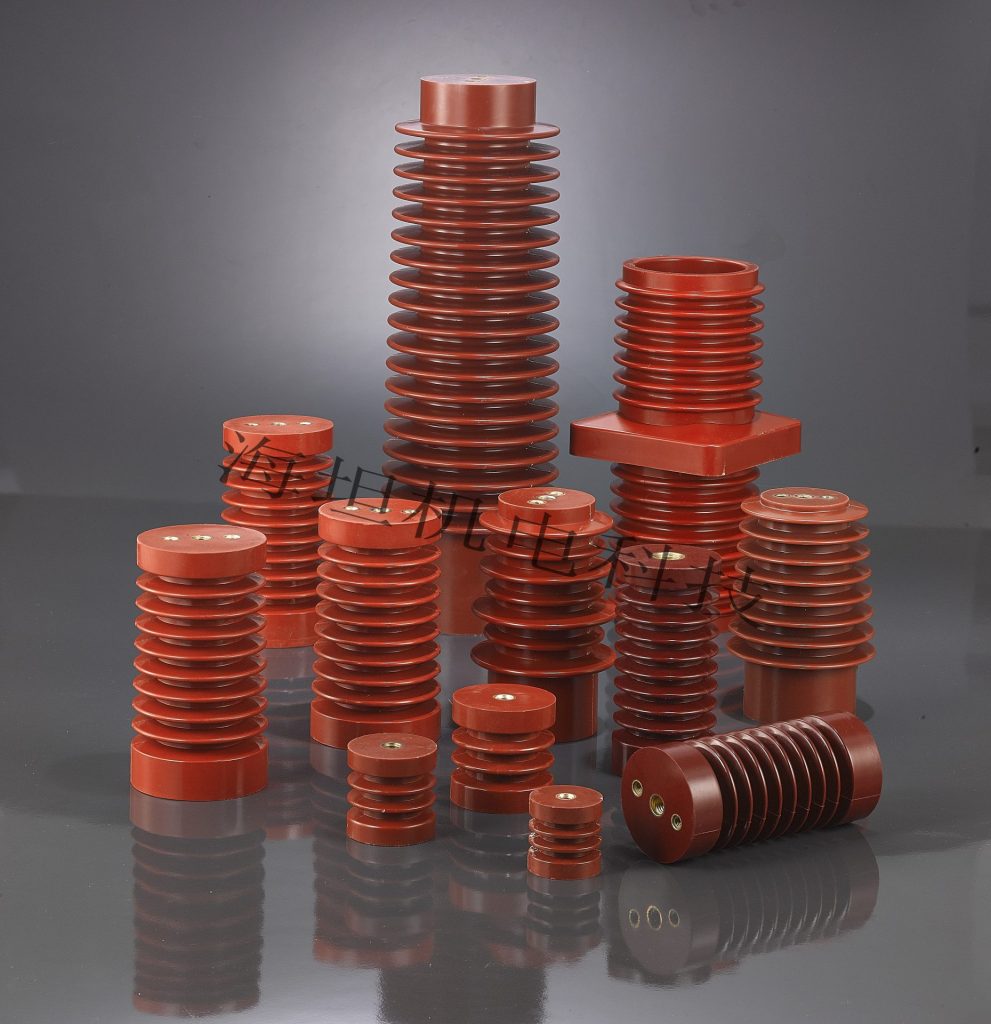
Understanding SE Insulators: Key Features and Applications
In modern electrical systems, ensuring safety, reliability, and long-term performance is more critical than ever. One of the fundamental components that helps achieve these goals is the SEインシュレーター. Designed to provide electrical insulation and mechanical support, SE Insulators are essential for a wide range of low-voltage and high-voltage applications. This article explores the key features, benefits, and applications of SE Insulators, helping engineers, designers, and system integrators understand their role in safe and efficient electrical systems.
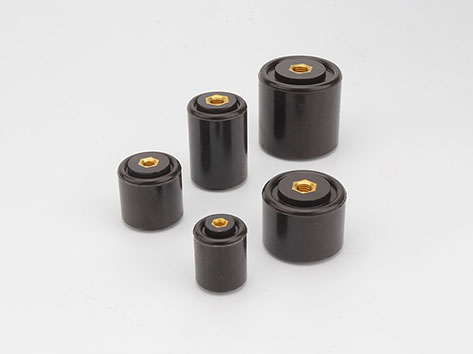
What is an SE Insulator?
an SEインシュレーター is a specialized component made from high-performance insulating materials. Its primary function is to electrically isolate live conductors from grounded surfaces or other conductive parts, preventing short circuits, electrical arcing, and potential damage to equipment. At the same time, SE Insulators provide mechanical support for conductors, busbars, and other components within electrical cabinets, distribution panels, or other electrical assemblies.
Key Features of SE Insulators
High Electrical Insulation
SE Insulators are made from materials with high dielectric strength, which ensures that they can withstand voltage stress without breakdown. This is critical for maintaining safety and preventing faults in both low-voltage and high-voltage systems.
機械的強度と耐久性
Apart from electrical insulation, SE Insulators offer robust mechanical support. They can handle vibration, thermal expansion, and the weight of conductors or busbars, ensuring stable and long-lasting operation.
耐熱性と耐環境性
SE Insulators are designed to operate in a wide range of temperatures and environmental conditions. They resist heat, moisture, and corrosion, making them suitable for indoor and outdoor installations alike.
Compact Design
Modern SE Insulators are engineered to provide maximum performance while occupying minimal space. This makes them ideal for applications where electrical components are densely packed.
業界標準への準拠
Quality SE Insulators often meet international standards such as UL, CE, RoHS, and ISO, ensuring they are safe, environmentally friendly, and suitable for global projects.
Applications of SE Insulators
SE Insulators are versatile components that can be used across multiple sectors and applications:
Distribution Panels and Switchgear
Providing electrical isolation between busbars and panel enclosures, SE Insulators prevent short circuits and protect personnel and equipment.
Communication Cabinets
In telecom or data centers, SE Insulators support and isolate conductors in densely packed cabinets, ensuring reliable signal and power distribution.
Energy Storage Systems and Renewable Energy Equipment
SE Insulators are used in battery cabinets, solar inverters, and energy storage systems to provide safe electrical separation and support under harsh operating conditions.
EV Charging Stations
Electric vehicle charging infrastructure relies on SE Insulators to maintain safety and efficiency, preventing electrical hazards in compact enclosures.
Industrial and Automation Equipment
SE Insulators help secure live conductors and components in industrial machinery, automation panels, and other low-voltage systems.
Benefits of Using SE Insulators
Enhanced Safety: Prevents electrical shock, short circuits, and arcing.
Improved System Reliability: Reduces downtime and maintenance requirements.
Space Efficiency: Compact designs allow for dense component layouts.
Long-Term Durability: Resistant to temperature, moisture, and mechanical stress.
Compliance with Standards: Ensures safe use in both domestic and international projects.
よくある質問
Q1: What materials are SE Insulators made from?
A: SE Insulators are typically made from high-quality composites such as BMC (Bulk Molding Compound) or SMC (Sheet Molding Compound), which provide excellent insulation and mechanical strength.
Q2: Can SE Insulators be used outdoors?
A: Yes. Many SE Insulators are designed to withstand harsh environments, including moisture, heat, and corrosion. However, always check the specific product’s rated specifications.
Q3: How do I choose the right SE Insulator for my application?
A: Consider voltage rating, current load, environmental conditions, mechanical requirements, and applicable safety certifications (UL, CE, RoHS).
Q4: What makes SE Insulators different from standard insulators?
A: SE Insulators combine high electrical insulation with robust mechanical support, making them suitable for both safety and structural applications in modern electrical systems.
Q5: Are SE Insulators suitable for renewable energy systems?
A: Yes. They are widely used in solar inverters, battery storage cabinets, and other renewable energy equipment due to their high reliability and environmental resistance.
結論
SE Insulators are indispensable components in modern electrical systems. By providing both electrical isolation and mechanical support, they ensure safety, reliability, and long-term system performance across a variety of applications — from distribution panels and communication cabinets to EV charging stations and renewable energy equipment. Selecting high-quality SE Insulators that meet international standards is essential for engineers and designers seeking efficient, safe, and durable electrical solutions.
- - 終わり - -
 電子メール:
  東風市霊雲路20号

© Copyright 2024 China Haitan Electromechanical Technology Co., Ltd. 全著作権所有。サポート:JUNJ プライバシーポリシー
 Japanese
  English (United States)
  English (South Africa)
  Arabic
  Belarusian
  Bengali
  Kazakh
  Korean
  Myanmar
  Russian
  Thai
Thai  Ukrainian
  Uzbek
Uzbek  Vietnamese
  Chinese