
How A Series BMC/SMC Busbar Insulator Supports Are Manufactured
Қожалдама | Жаңалықтар | Апр 30,2026
Кіріспе
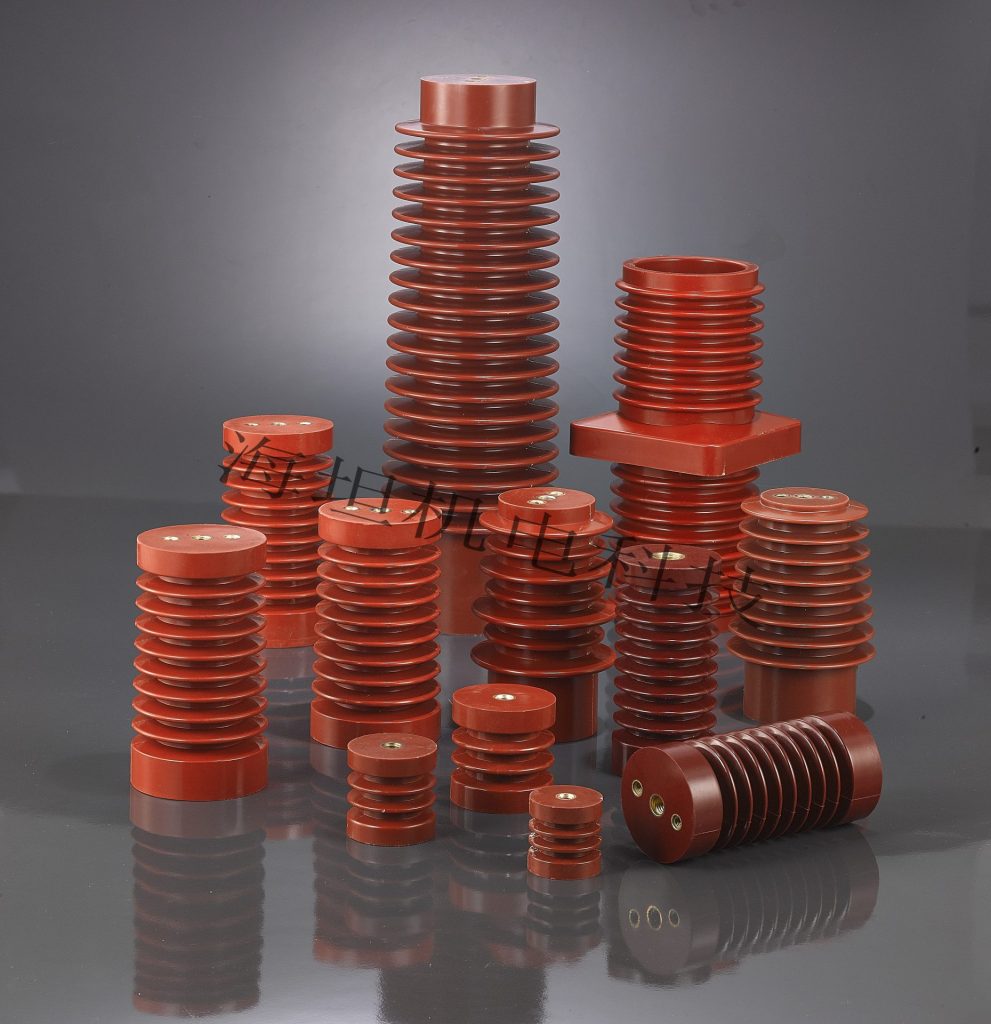
In power distribution systems, the reliability of every component matters—especially busbar insulator supports, which must provide both mechanical stability and electrical insulation. A Series BMC/SMC busbar insulator supports are widely trusted in switchgear and distribution cabinets due to their consistent quality and performance.
But what exactly goes into manufacturing these high-performance components? This article walks through the complete production process, from raw materials to final inspection.
Understanding BMC and SMC Materials
Before diving into the process, it’s important to understand the materials used:
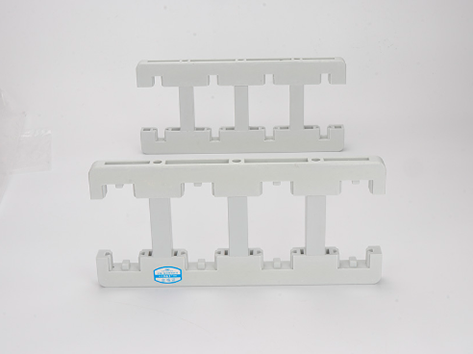
BMC (Bulk Molding Compound): A thermosetting composite made of resin, glass fibers, fillers, and additives. Ideal for complex shapes and high-precision parts.
SMC (Sheet Molding Compound): A sheet-based composite reinforced with longer glass fibers, offering higher mechanical strength and dimensional stability.
Both materials provide:
Тамаша электр оқшаулау
Жоғары механикалық беріктік
Жылу және жалынға төзімділік
Corrosion and moisture resistance
Step-by-Step Manufacturing Process
Raw Material Preparation
The process begins with carefully selected raw materials:
Polyester or epoxy resin
Glass fiber reinforcement
Fillers (such as calcium carbonate)
Additives (flame retardants, pigments, curing agents)
These ingredients are precisely measured to ensure consistent electrical and mechanical properties.
Compound Mixing
For BMC:
Materials are mixed into a bulk dough-like compound
For SMC:
Resin paste is spread onto a carrier film
Glass fibers are layered and compressed into sheets
This stage is critical to achieving uniform distribution of fibers and additives, which directly affects product performance.
Molding Process
The prepared compound is placed into a heated mold shaped according to the A Series insulator design.
High pressure and temperature are applied
The material flows and fills the mold cavity
Thermosetting reaction (curing) occurs
This step determines the final shape, strength, and dimensional accuracy of the insulator support.
Curing and Solidification
During molding, the material undergoes a chemical curing process, transforming it into a rigid and durable structure.
Heat activates curing agents
Cross-linking of polymers ensures strength and stability
The part becomes permanently set and cannot be remelted
Demolding and Trimming
Once cured, the insulator is removed from the mold:
Excess material (flash) is trimmed
Edges and surfaces are refined
Threads or inserts (if required) are checked
This ensures a clean finish and proper fit for installation.
Surface Treatment and Finishing
Depending on application requirements, additional treatments may include:
Surface polishing
Coating for enhanced insulation or UV resistance
Color coding for identification
A smooth surface helps improve creepage performance and contamination resistance.
Quality Inspection and Testing
Each A Series insulator undergoes strict quality control:
Dimensional inspection (accuracy and tolerance)
Mechanical strength testing
Dielectric strength testing
Heat and flame resistance testing
Only products that meet industry standards are approved for shipment.
Key Manufacturing Advantages of A Series Insulators
Precision molding ensures consistent quality
High automation improves efficiency and repeatability
Material optimization enhances performance in demanding environments
Scalability supports both standard and custom production
Applications After Manufacturing
Once completed, A Series BMC/SMC busbar insulator supports are widely used in:
Қуатты тарату шкафтары
Switchgear systems
Control panels
Industrial electrical equipment
Жаңартылатын энергия жүйелері
They serve as critical support and insulation components, ensuring safe and stable electrical operation.
Қорытынды
The manufacturing of A Series BMC/SMC busbar insulator supports is a highly controlled process that combines advanced materials, precision molding, and strict quality testing. Every step—from raw material selection to final inspection—plays a vital role in delivering products that meet the demands of modern electrical systems.
By understanding this process, buyers and engineers can better appreciate the quality, durability, and reliability behind these essential components.
Жиі қойылатын сұрақтар
Q1: What is the main difference between BMC and SMC in manufacturing?
BMC is bulk-formed and better for detailed shapes, while SMC is sheet-based and offers higher strength for larger components.
Q2: Are A Series insulators customizable?
Yes, molds can be designed for specific sizes, shapes, and performance requirements.
Q3: How is quality ensured during production?
Through strict testing, including mechanical, electrical, and thermal performance checks.
Q4: Why is curing important in the process?
Curing creates a मजबूत, heat-resistant, and permanently stable structure.
Q5: What industries use these insulators?
They are widely used in power distribution, industrial automation, and renewable energy sectors.
--- СОҢЫ ---
 E-mail: [email protected]
  №20 Лингюн жол, донгфенг
Индустриалды аймақ, Лиуши қаласы, YueQing
Қалалық, Жезеген провинциясы


Махат
© Copyright 2024 China Haitan электромеханикалық технологиясы Co., Ltd. Барлық құқықтар қорғалған.Қолдау: junj Құпиялылық саясаты
 Kazakh
  English (United States)
  English (South Africa)
  Arabic
  Belarusian
  Bengali
  Japanese
  Korean
  Myanmar
  Russian
  Thai
Thai  Ukrainian
  Uzbek
Uzbek  Vietnamese
  Chinese