
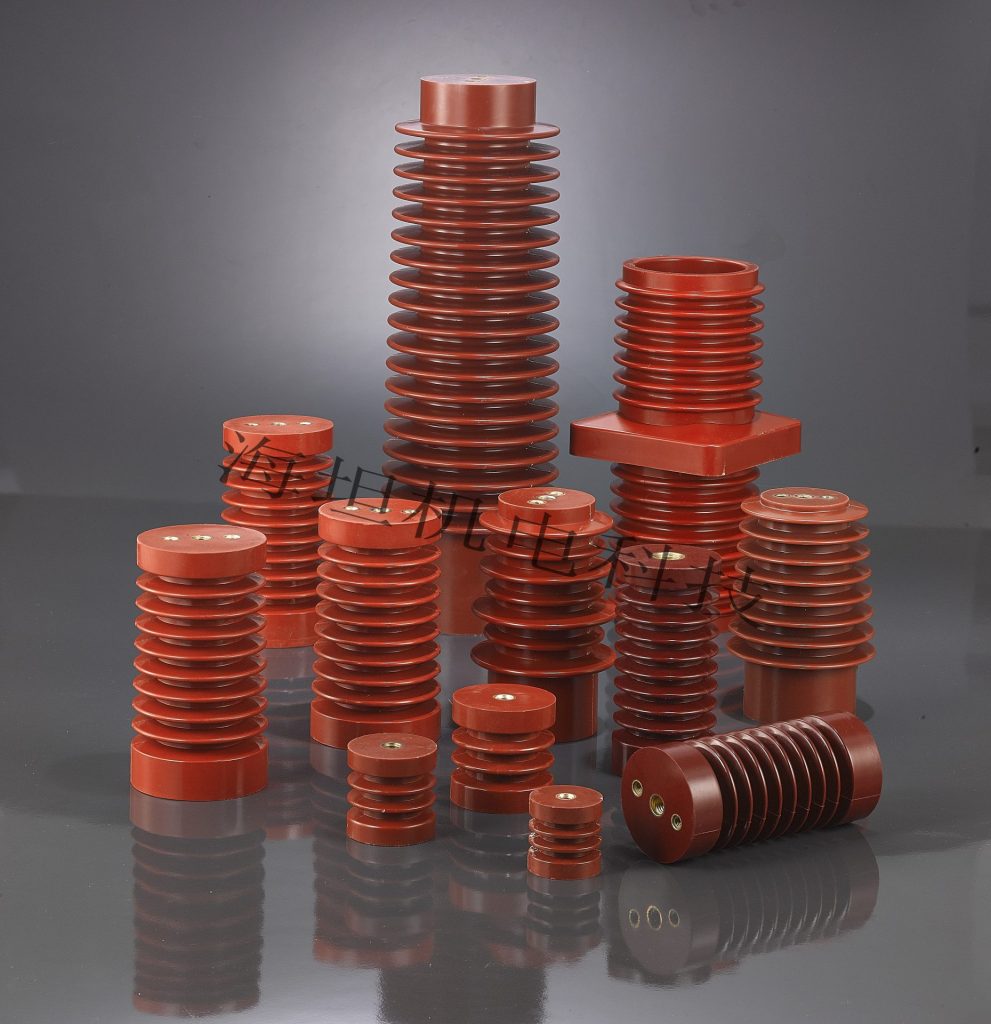
Top Benefits of Using Standoff Busbar Support Insulators in Low-Voltage Systems
Қожалдама | Жаңалықтар | Дек 12,2025
Кіріспе
In low-voltage power distribution, safety, stability, and efficiency rely heavily on the quality of supporting components—not just the conductors themselves. Among these essential components, Standoff Busbar Support Insulators play a crucial role in ensuring that busbars operate safely, remain properly positioned, and deliver long-term reliability.
Whether used in switchgear, distribution boxes, control cabinets, or industrial automation systems, standoff insulators offer multiple performance advantages. This article explores the top benefits of using standoff busbar support insulators in low-voltage systems and explains why they are indispensable for modern electrical applications.
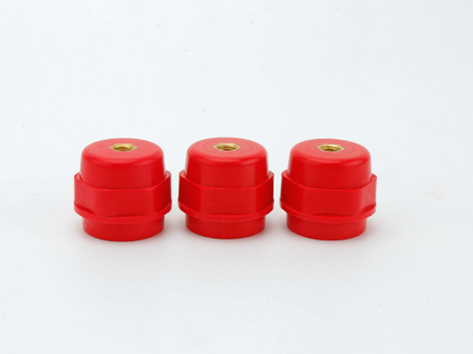
Reliable Electrical Insulation for Safer Operation
One of the primary benefits of standoff busbar support insulators is their ability to maintain safe electrical separation between conductive parts. In compact electrical panels, conductors run close to each other, increasing risks such as:
Phase-to-phase contact
Arcing
Short circuits
Flashover
High-quality standoff insulators offer:
Strong dielectric strength
Adequate clearance and creepage distances
Stable insulation performance even in humid or dusty environments
By preventing accidental contact, they ensure safe and reliable operation of low-voltage systems.
Enhanced Mechanical Support and Structural Stability
Busbars must remain securely positioned to handle continuous current flow and withstand mechanical stress. During short-circuit events, electrodynamic forces can be extremely high, causing bars to move or deform if not properly supported.
Standoff insulators provide:
Strong mechanical compression strength
High torque resistance
Stable support under vibration and thermal expansion
Preventing misalignment or bending
This ensures that the entire distribution structure remains rigid and stable, reducing the risk of system failure.
Improved System Reliability and Reduced Maintenance
Low-voltage systems demand continuous, long-term reliability. Poor-quality or improperly installed supports can lead to:
Loose busbars
Overheating
Insulation breakdown
Frequent maintenance issues
Standoff busbar support insulators help extend system life by offering:
Anti-aging and corrosion-resistant materials
High heat resistance
Long-term mechanical strength
Low surface tracking behavior
As a result, maintenance frequency decreases and overall system uptime improves.
Better Thermal Management and Reduced Heat Accumulation
Busbars carry high currents, which generate heat. When busbars are properly spaced using standoff insulators:
Airflow improves
Heat dissipation increases
Hotspot development is minimized
This prevents excessive temperature rise, improves energy efficiency, and extends both the busbars’ and the insulators’ service life.
Flexibility for Various Installation Designs
Modern low-voltage systems come in different sizes, layouts, and configurations. Standoff insulators are available in:
Multiple heights
Different diameters
Various material grades
Square, round, or hexagonal shapes
Multiple mounting hole options
This flexibility makes them suitable for:
Vertical or horizontal busbar mounting
Multi-layer busbar systems
Custom cabinet designs
Space-limited control boxes
Engineers can easily choose models that best fit their structural and electrical requirements.
Compliance With International Safety Standards
High-quality standoff busbar support insulators help low-voltage systems meet important standards such as:
IEC 61439 (low-voltage switchgear and controlgear assemblies)
IEC 60695 (fire hazard testing)
UL standards (for insulation and flame resistance)
Using certified insulators not only improves safety but also helps manufacturers pass regulatory inspections more easily.
Cost-Effective and Long-Term Value
Because standoff insulators reduce failures, minimize short-circuit risks, and lower system maintenance needs, they provide significant long-term economic benefits:
Fewer replacements
Less downtime
Lower maintenance cost
Longer equipment lifespan
For manufacturers and integrators, the reliability and durability of high-quality insulators translate into more stable performance and reduced operational expenses.
Қорытынды
Their advantages—electrical insulation, mechanical support, thermal performance, design flexibility, and compliance with standards—make them a smart investment for any modern electrical panel, switchgear, or control cabinet.
Whether you are upgrading an existing system or designing a new electrical assembly, choosing high-quality standoff insulators is key to achieving safer, more reliable, and more efficient power distribution.
Жиі қойылатын сұрақтар
What are standoff busbar support insulators used for?
They support and insulate busbars to prevent electrical contact, enhance structural stability, and ensure safe operation.
What materials are commonly used?
DMC, BMC, epoxy resin, porcelain, and thermoset composites are widely used due to their strength and insulation properties.
Are they only for industrial systems?
No. They are used in commercial switchboards, residential distribution boxes, solar combiner boxes, and more.
Do they help prevent overheating?
Yes. By maintaining proper spacing, they allow better airflow and reduce heat accumulation around busbars.
How do I choose the right standoff insulator?
Consider voltage rating, mechanical load, material type, height, creepage distance, and installation environment.
--- СОҢЫ ---
 E-mail: [email protected]
  №20 Лингюн жол, донгфенг
Индустриалды аймақ, Лиуши қаласы, YueQing
Қалалық, Жезеген провинциясы


Махат
© Copyright 2024 China Haitan электромеханикалық технологиясы Co., Ltd. Барлық құқықтар қорғалған.Қолдау: junj Құпиялылық саясаты
 Kazakh
  English (United States)
  English (South Africa)
  Arabic
  Belarusian
  Bengali
  Japanese
  Korean
  Myanmar
  Russian
  Thai
Thai  Ukrainian
  Uzbek
Uzbek  Vietnamese
  Chinese