
What Do Cable Ties Do in Electrical and Industrial Applications?
Қожалдама | Жаңалықтар | Янв 22,2026
Кіріспе
Cable ties, also known as zip ties or wire ties, are one of the simplest yet most effective tools in electrical and industrial cable management. Despite their small size, cable ties play a critical role in organizing, securing, and protecting cables and wires in a wide range of applications. This article explores what cable ties do, why they are essential, and how they enhance safety and efficiency in electrical and industrial systems.
What Are Cable Ties?
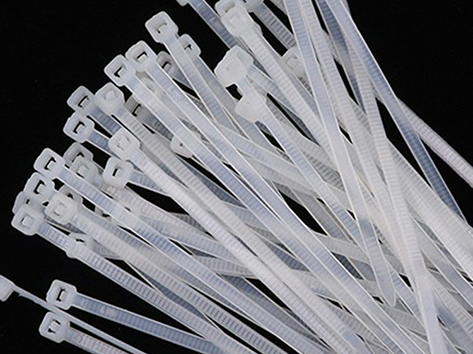
А cable tie is a fastener used to bundle and secure wires or cables together. They typically feature a flexible nylon or stainless steel strap with a locking mechanism that holds the tie in place once tightened. Some cable ties are releasable, while others are permanent, depending on the application needs.
Cable ties are widely used in:
Electrical control panels
Industrial automation systems
Low-voltage and high-voltage wiring installations
Outdoor and harsh environment cabling
Key Functions of Cable Ties in Electrical and Industrial Applications
Organizing Cables for Clean Panels
In electrical panels and industrial control systems, hundreds of wires and cables can converge in a confined space. Cable ties help:
Bundle related cables together
Жарату neat, organized wiring paths
Simplify panel inspection and maintenance
A clean cable layout not only improves visual clarity but also reduces the risk of wiring errors during installation or troubleshooting.
Securing Cables in Place
Cable ties hold cables firmly in place to prevent movement caused by:
Vibrations from machinery
Thermal expansion and contraction
Handling during maintenance
By keeping wires stationary, cable ties reduce wear and tear, prevent loosening connections, and enhance the longevity of electrical systems.
Enhancing Safety
Properly bundled and secured cables help prevent:
Short circuits caused by stray or tangled wires
Electrical faults from damaged insulation
Trip hazards in industrial environments
Cable ties, especially flame-retardant or heat-resistant types, add an extra layer of safety in high-temperature or electrical environments.
Supporting Efficient Maintenance and Upgrades
Cable ties allow engineers and technicians to:
Quickly identify wire groups
Easily trace circuits for troubleshooting
Modify or expand wiring with minimal disruption
Using releasable or color-coded cable ties can further improve efficiency and reduce downtime.
Facilitating Compliance with Standards
In industrial and electrical applications, compliance with UL, IEC, and RoHS standards is crucial. Cable ties help maintain:
Proper separation between power and signal cables
Safe bundling in panel assemblies
Neat cable routing in accordance with installation standards
Types of Cable Ties Used in Electrical and Industrial Applications
Cable ties come in various types, each suited to specific needs:
| Басу | Материал | Қолдану |
| Nylon Standard | Nylon 6/6 | General-purpose bundling |
| Releasable | Nylon with release tab | Temporary installations |
| UV-Resistant | UV-stabilized Nylon | Outdoor or sunlight exposure |
| Тот баспайтын болат | Metal | Harsh environments, chemical exposure, high temperatures |
| Heavy-Duty | Thick Nylon | Large cable bundles or high-tension applications |
Selecting the right type ensures optimal performance, safety, and durability.
Best Practices for Using Cable Ties
Don’t overtighten – Avoid damaging cable insulation.
Bundle by function – Group related wires together.
Use color coding – Simplify identification of circuits.
Check for environmental suitability – Choose UV-resistant, flame-retardant, or stainless steel ties for specific conditions.
Leave slack for thermal expansion – Prevent stress on wires in high-temperature applications.
Қорытынды
Cable ties may seem like a small accessory, but in electrical and industrial applications, they are essential for safety, organization, and efficiency. By bundling, securing, and protecting cables, they prevent damage, improve system reliability, and make maintenance easier. Selecting the right type of cable tie and following proper installation practices ensures that your electrical and industrial systems remain safe, clean, and highly functional.
Жиі қойылатын сұрақтар
What are cable ties used for in electrical systems?
Cable ties are used to bundle, organize, and secure wires and cables inside electrical panels, control cabinets, and industrial equipment. They improve safety, maintenance efficiency, and panel organization.
Can cable ties prevent electrical faults?
Yes. Properly secured cables reduce movement and tangling, preventing insulation damage, short circuits, and loose connections, which improves overall electrical safety.
What types of cable ties are used in industrial applications?
Common types include:
Standard Nylon – general-purpose bundling
Releasable Nylon – temporary installations
UV-Resistant – outdoor or sunlight exposure
Тот баспайтын болат – harsh environments, chemical exposure, high temperatures
Heavy-Duty Nylon – large cable bundles or high-tension applications
How tight should I fasten cable ties?
Cable ties should be secure but not overly tight, to avoid damaging cable insulation. Leave slight slack for thermal expansion and cable flexibility.
Are cable ties flame-retardant?
Many industrial cable ties are flame-retardant or heat-resistant, complying with UL, IEC, or RoHS standards, making them suitable for high-temperature or electrical environments.
Can cable ties be used outdoors?
Yes, but for outdoor or UV-exposed environments, use UV-resistant or stainless steel cable ties to prevent degradation and maintain long-term performance.
How do cable ties improve panel maintenance?
By grouping wires neatly and using color-coded or labeled ties, technicians can quickly trace circuits, replace components, and expand or modify wiring with minimal disruption.
Can cable ties be reused?
Standard cable ties are usually single-use, but releasable cable ties can be unlocked and reused for temporary installations or testing purposes.
--- СОҢЫ ---
 E-mail: [email protected]
  №20 Лингюн жол, донгфенг
Индустриалды аймақ, Лиуши қаласы, YueQing
Қалалық, Жезеген провинциясы


Махат
© Copyright 2024 China Haitan электромеханикалық технологиясы Co., Ltd. Барлық құқықтар қорғалған.Қолдау: junj Құпиялылық саясаты
 Kazakh
  English (United States)
  English (South Africa)
  Arabic
  Belarusian
  Bengali
  Japanese
  Korean
  Myanmar
  Russian
  Thai
Thai  Ukrainian
  Uzbek
Uzbek  Vietnamese
  Chinese