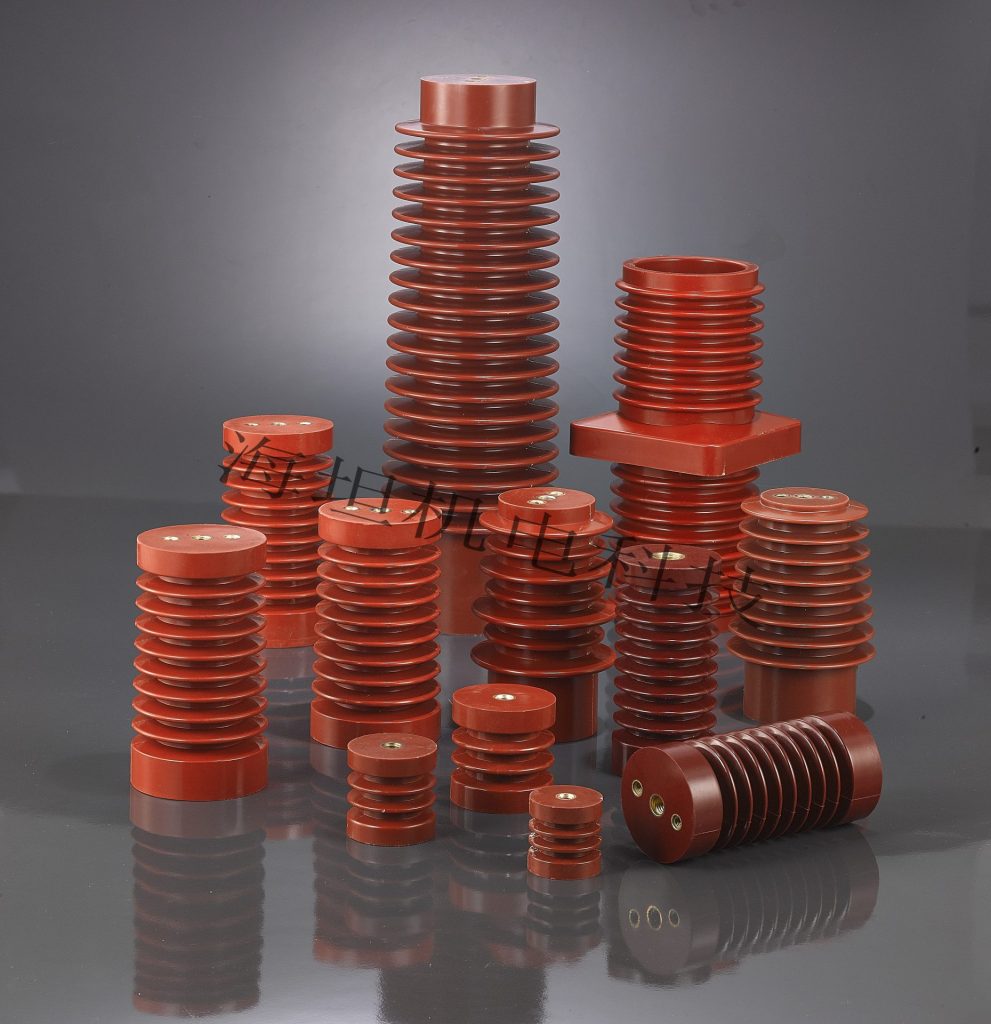
Low Voltage Busbar Support: Definition, Purpose, and Key Benefits
Қожалдама | Жаңалықтар | Янв 09,2026
Кіріспе
In modern electrical distribution systems, safety, reliability, and compact design are more important than ever. One essential yet often overlooked component that plays a critical role in low voltage power systems is the Төмен вольтты шиналар.
This article explains what a low voltage busbar support is, its main purpose, and the key benefits it provides in electrical installations.
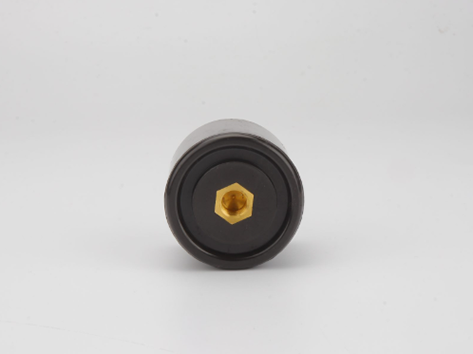
What Is a Low Voltage Busbar Support?
А Төмен вольтты шиналар is an insulating structural component designed to support, fix, and electrically isolate busbars in low voltage power distribution systems. It is typically used in switchgear, distribution boards, control panels, and power cabinets.
Busbar supports are usually made from high-performance insulating materials such as DMC (Dough Molding Compound), BMC, or other reinforced thermosetting composites, which provide both electrical insulation and mechanical strength.
Low voltage busbar supports are suitable for systems generally operating up to 1000V AC or 1500V DC, depending on design and application standards.
Purpose of Low Voltage Busbar Supports
Electrical Insulation
The primary purpose of a busbar support is to prevent electrical contact between live busbars and grounded metal structures. By providing sufficient insulation distance and dielectric strength, it helps reduce the risk of short circuits and electric shock.
Mechanical Support and Fixation
Busbars carry high current and can experience mechanical stress due to:
Жылу кеңеюі
Short-circuit forces
Vibration during operation
Busbar supports securely hold the busbars in position, ensuring system stability and long-term reliability.
Maintaining Clearance and Creepage Distance
Proper busbar supports help maintain required clearance and creepage distances, which are critical for meeting electrical safety standards and ensuring safe operation under varying environmental conditions.
Equipment Organization and Compact Design
By fixing busbars in a structured layout, busbar supports enable neat, compact, and modular equipment design, which is especially important in modern low voltage switchgear and smart distribution systems.
Key Benefits of Low Voltage Busbar Supports
Enhanced Electrical Safety
High-quality insulating materials reduce the risk of:
Electrical leakage
Flashover
Short circuits
This significantly improves the overall safety level of low voltage power systems.
High Mechanical Strength and Durability
Modern busbar supports offer excellent resistance to:
Mechanical impact
Heat deformation
Aging and fatigue
This ensures stable performance even in demanding industrial environments.
Flame Retardant Performance
Many low voltage busbar supports meet UL94 V-0 flame retardant standards, helping to minimize fire risks in electrical cabinets and distribution equipment.
Lightweight and Corrosion Resistance
Compared with metal or ceramic alternatives, composite busbar supports are:
Lightweight
Resistant to moisture, chemicals, and corrosion
This makes them ideal for indoor and outdoor low voltage installations.
Design Flexibility and Customization
Busbar supports can be customized in terms of:
Height and mounting structure
Hole spacing and busbar size compatibility
Load and temperature resistance
This flexibility supports diverse application needs across industries.
Common Applications of Low Voltage Busbar Supports
Low voltage busbar supports кеңінен қолданылады:
Low voltage switchgear and distribution boards
Industrial control panels
Power supply and transformer cabinets
Solar inverters and energy storage systems
Smart grid and automation equipment
Қорытынды
А Төмен вольтты шиналар is a small but essential component that plays a major role in ensuring electrical safety, mechanical stability, and efficient system design. By providing reliable insulation, strong support, and long-term durability, it helps modern low voltage power systems operate safely and efficiently.
Choosing the right busbar support material and design is critical for meeting performance requirements, safety standards, and the growing demands of modern power distribution systems.
Жиі қойылатын сұрақтар
What is a low voltage busbar support used for?
A low voltage busbar support is used to secure, support, and electrically insulate busbars in low voltage power distribution systems. It helps prevent short circuits, maintains proper clearance distances, and ensures mechanical stability during operation.
What materials are commonly used for low voltage busbar supports?
Low voltage busbar supports are typically made from DMC (қамырды қалыптастыру құралы), BMC, or other glass-fiber-reinforced thermosetting composites. These materials provide excellent electrical insulation, high mechanical strength, flame retardancy, and long service life.
What voltage range are low voltage busbar supports suitable for?
Low voltage busbar supports are generally designed for systems up to 1000V AC or 1500V DC, depending on product design, insulation distance, and applicable standards.
--- СОҢЫ ---
 E-mail: [email protected]
 №20 Лингюн жол, донгфенг
Индустриалды аймақ, Лиуши қаласы, YueQing
Қалалық, Жезеген провинциясы


Махат
© Copyright 2024 China Haitan электромеханикалық технологиясы Co., Ltd. Барлық құқықтар қорғалған.Қолдау: junj Құпиялылық саясаты
 Kazakh
  English (United States)
  English (South Africa)
  Arabic
  Belarusian
  Bengali
  Japanese
  Korean
  Myanmar
  Russian
  Thai
Thai  Ukrainian
  Uzbek
Uzbek  Vietnamese
  Chinese