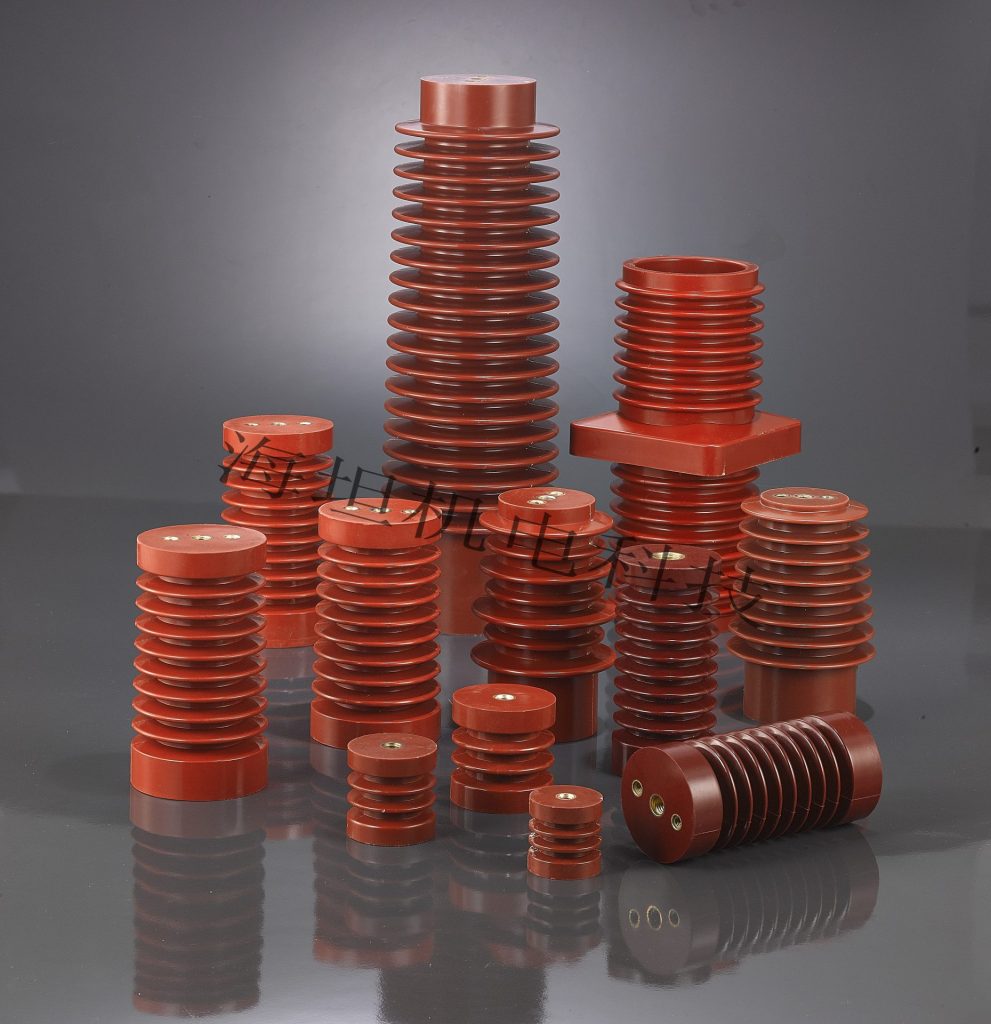
Key Factors to Consider When Selecting a Busbar Support for Low Voltage Switchgear
Қожалдама | Жаңалықтар | Янв 09,2026
Кіріспе
-Да low voltage switchgear systems, busbars play a critical role in power distribution, carrying high currents within compact enclosures. To ensure safety, reliability, and long-term performance, selecting the right BusBar қолдауы is just as important as choosing the busbar itself.
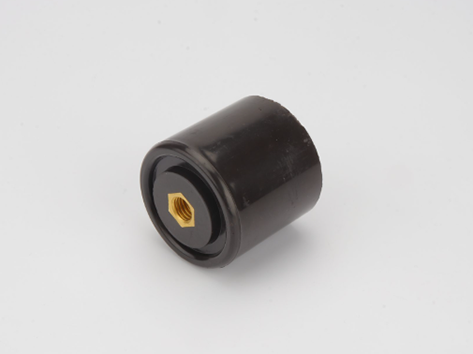
Электр оқшаулау көрсеткіштері
Electrical insulation is the primary function of a busbar support. When selecting a product, consider:
Dielectric strength and insulation resistance
Compliance with applicable low voltage standards
Ability to maintain required clearance and creepage distances
High-quality insulating materials help prevent short circuits, leakage currents, and flashover inside switchgear cabinets.
Mechanical Strength and Load Capacity
Busbar supports must withstand various mechanical stresses, including:
The weight of copper or aluminum busbars
Thermal expansion during current load changes
Electrodynamic forces caused by short-circuit currents
Materials such as DMC or glass-fiber-reinforced composites provide high mechanical strength and dimensional stability, ensuring reliable support over long-term operation.
Thermal Resistance and Operating Temperature
Low voltage switchgear often operates under elevated temperatures due to high current flow. A suitable busbar support should:
Maintain mechanical and electrical properties at high temperatures
Resist deformation under continuous thermal stress
Support temperature rise requirements specified in standards
Selecting materials with good heat resistance helps extend equipment service life and improves operational safety.
Flame Retardancy and Fire Safety
Fire safety is a critical consideration in enclosed electrical systems. Busbar supports should:
Meet flame retardant standards such as UL94 V-0
Limit flame propagation and smoke generation
Reduce fire risk in case of electrical faults
Flame-retardant busbar supports significantly improve the overall safety level of low voltage switchgear.
Material Selection and Environmental Resistance
Different installation environments require different material properties. When selecting a busbar support, consider resistance to:
Moisture and humidity
Chemicals and industrial pollutants
Corrosion and aging
Composite materials like DMC offer excellent resistance to harsh environments, making them suitable for both indoor and semi-outdoor applications.
Dimensional Accuracy and Design Compatibility
Қазіргі уақыттағы low voltage switchgear is becoming more compact and modular. Busbar supports should offer:
High dimensional accuracy for precise assembly
Compatibility with standard busbar sizes and mounting systems
Flexibility for custom designs
Precision-molded busbar supports help improve assembly efficiency and ensure consistent product quality.
Compliance with Standards and Certifications
Ensure that the selected busbar support complies with relevant international and industry standards, such as:
IEC standards for low voltage switchgear
UL requirements for insulation and flame retardancy
RoHS and REACH environmental regulations
Certified products reduce compliance risks and simplify project approval.
Service Life and Maintenance Requirements
A reliable busbar support should provide:
Long-term insulation stability
Resistance to thermal cycling and vibration
Minimal maintenance over its service life
Choosing durable materials reduces downtime and lowers overall operating costs.
Қорытынды
Selecting the right busbar support for low voltage switchgear involves more than just matching dimensions. Electrical insulation, mechanical strength, thermal resistance, flame retardancy, and environmental durability all play critical roles in ensuring safe and reliable operation.
By carefully evaluating these key factors, engineers and manufacturers can improve system performance, enhance safety, and meet the evolving demands of modern low voltage power distribution systems.
Жиі қойылатын сұрақтар
What is the main purpose of a busbar support in low voltage switchgear?
A busbar support secures and electrically insulates busbars within low voltage switchgear. It prevents short circuits, maintains proper clearance, and ensures the mechanical stability of the busbars under load and thermal expansion.
What materials are commonly used for low voltage busbar supports?
Low voltage busbar supports are typically made from DMC (Dough Molding Compound), BMC, or glass-fiber-reinforced thermosetting composites. These materials provide excellent electrical insulation, mechanical strength, flame retardancy, and resistance to heat and environmental stress.
How do I choose the right busbar support for my switchgear?
Key factors include:
Electrical insulation properties (dielectric strength, creepage, clearance)
Mechanical strength and load capacity
Thermal resistance and operating temperature
Flame retardancy and fire safety compliance
Environmental resistance (humidity, chemicals, corrosion)
Dimensional accuracy and design compatibility
Compliance with standards (IEC, UL, RoHS, REACH)
Are busbar supports flame retardant?
Yes. High-quality low voltage busbar supports meet flame retardant standards such as UL94 V-0, helping to reduce fire risks in enclosed electrical systems.
Can busbar supports be used in outdoor environments?
Composite busbar supports with corrosion and moisture resistance can be used in outdoor or semi-outdoor environments, such as solar power systems or industrial distribution cabinets, provided they are installed in suitable protective enclosures.
How long is the service life of a busbar support?
High-quality busbar supports can last 10–20 years or more, depending on operating conditions, material selection, and exposure to environmental stressors.
--- СОҢЫ ---
 E-mail: [email protected]
 №20 Лингюн жол, донгфенг
Индустриалды аймақ, Лиуши қаласы, YueQing
Қалалық, Жезеген провинциясы


Махат
© Copyright 2024 China Haitan электромеханикалық технологиясы Co., Ltd. Барлық құқықтар қорғалған.Қолдау: junj Құпиялылық саясаты
 Kazakh
  English (United States)
  English (South Africa)
  Arabic
  Belarusian
  Bengali
  Japanese
  Korean
  Myanmar
  Russian
  Thai
Thai  Ukrainian
  Uzbek
Uzbek  Vietnamese
  Chinese