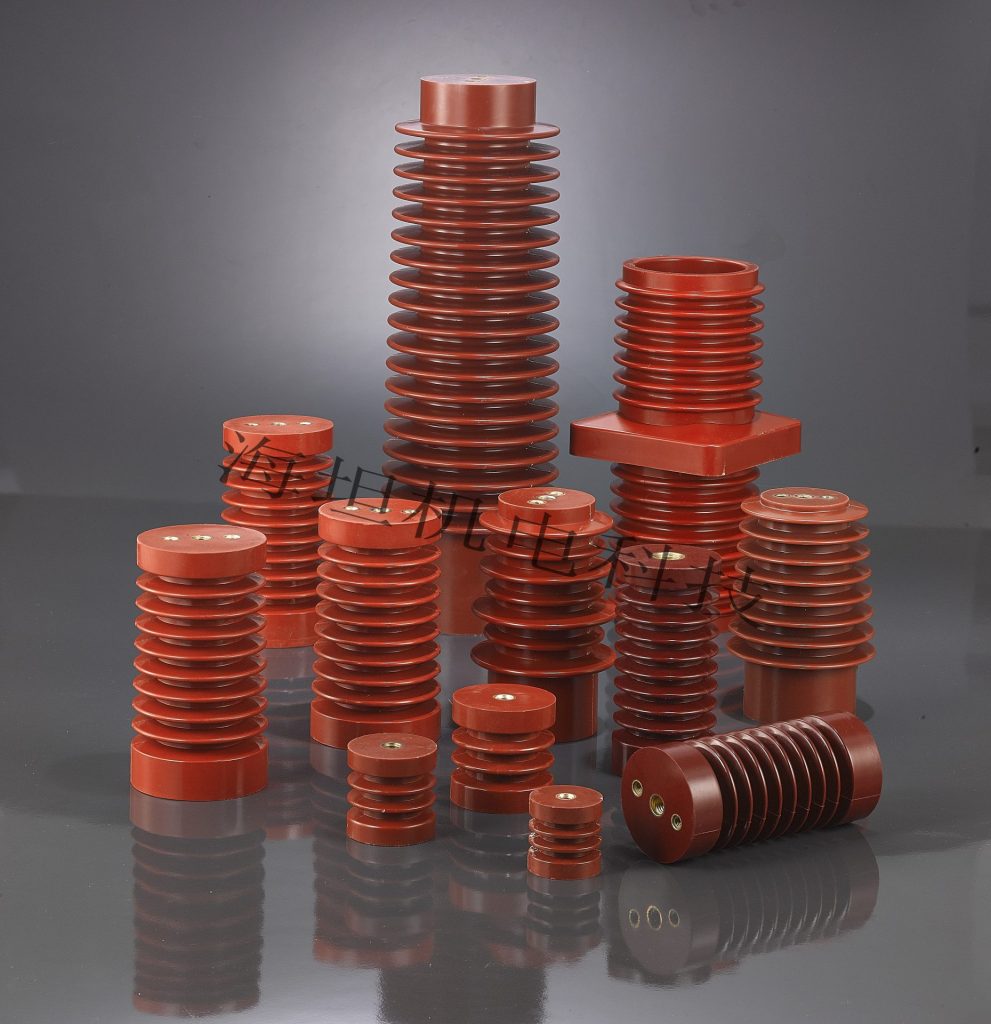
Common Mistakes When Selecting EL Insulators for Industrial Use
Қожалдама | Жаңалықтар | Май 26,2026
Кіріспе
Оң жақтықты таңдау EL insulator is critical for ensuring safety, stability, and long-term performance in electrical systems. In industrial environments—such as power distribution, control cabinets, renewable energy systems, and heavy machinery—even a small selection mistake can lead to overheating, leakage current, equipment failure, or safety hazards.
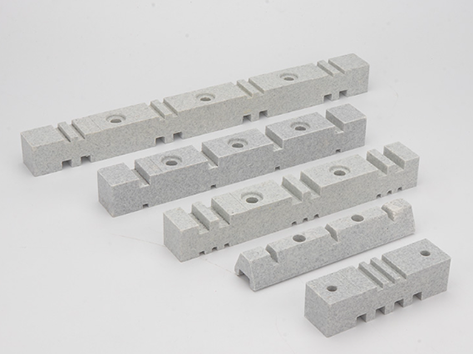
Ignoring Voltage Rating Requirements
One of the most frequent mistakes is selecting an EL insulator without properly matching the voltage rating of the system.
Many users assume “one size fits all,” but in reality:
Low-voltage insulators cannot handle industrial high-voltage stress
Overloading leads to dielectric breakdown
Long-term exposure reduces insulation performance
Choosing the Wrong Material Type
EL insulators come in various materials such as:
Epoxy resin (DMC/BMC)
Керамика
Composite polymers
A common mistake is selecting based on price instead of application.
Мысалы:
Ceramic → excellent heat resistance but brittle
Polymer composites → lightweight and impact-resistant but may have temperature limits
Overlooking Environmental Conditions
Industrial environments are often harsh, including:
High humidity
Corrosive gases
Dust and oil exposure
Outdoor UV radiation
Failing to consider these conditions can shorten insulator lifespan significantly.
Ignoring Mechanical Load Requirements
EL insulators are not only electrical components—they also provide mechanical support.
Common mistake:
Using low-strength insulators in vibration-heavy equipment or busbar systems
This can lead to:
Cracks
Deformation
Structural failure
Best practice: Evaluate tensile strength, compressive strength, and vibration resistance before selection.
Not Considering Thermal Performance
Heat is a major factor in industrial electrical systems.
Poor selection can result in:
Insulation aging
Reduced dielectric strength
System overheating
Ignoring Industry Standards and Certifications
Many buyers overlook compliance requirements such as:
IEC standards
UL certification
ISO quality systems
This can lead to issues in:
Export compliance
Safety approval
Project acceptance
Choosing Based Only on Price
One of the most costly mistakes in the long run is selecting EL insulators purely based on low price.
Cheaper products may:
Use lower-grade materials
Lack proper testing
Fail prematurely in industrial conditions
Ignoring Supplier Engineering Capability
Not all suppliers offer the same level of technical support.
A weak supplier may:
Provide no customization options
Lack R&D capability
Fail to support complex industrial applications
Incorrect Installation Assumptions
Even a high-quality EL insulator can fail if installed incorrectly.
Common issues include:
Improper torque tightening
Misalignment in mounting
Using incompatible hardware
Қорытынды
Оң жақтағы таңдау EL insulator is not just a purchasing decision—it is an engineering decision. Avoiding these common mistakes helps ensure:
Higher system safety
Longer equipment lifespan
Better electrical performance
Техникалық қызмет көрсету шығындары
A well-chosen EL insulator ultimately improves the reliability of the entire electrical system.
Жиі қойылатын сұрақтар
Q1: What is the most important factor when selecting an EL insulator?
Voltage rating and environmental suitability are the two most critical factors.
Q2: Are all EL insulators suitable for outdoor use?
No. Only insulators with proper UV and weather resistance should be used outdoors.
Q3: How do I know if an insulator is high quality?
Check certifications (IEC/UL), material specs, and supplier testing reports.
Q4: Can EL insulators be customized?
Yes, many industrial suppliers offer custom designs based on voltage, size, and application needs.
--- СОҢЫ ---
 E-mail: [email protected]
 №20 Лингюн жол, донгфенг
Индустриалды аймақ, Лиуши қаласы, YueQing
Қалалық, Жезеген провинциясы


Махат
© Copyright 2024 China Haitan электромеханикалық технологиясы Co., Ltd. Барлық құқықтар қорғалған.Қолдау: junj Құпиялылық саясаты
 Kazakh
  English (United States)
  English (South Africa)
  Arabic
  Belarusian
  Bengali
  Japanese
  Korean
  Myanmar
  Russian
  Thai
Thai  Ukrainian
  Uzbek
Uzbek  Vietnamese
  Chinese