1. What’s the practical difference between choosing BMC and SMC for a busbar support?
SMC generally offers higher mechanical strength and suits larger or heavier-duty busbars, while BMC is better suited to compact, precision-molded parts — see our BMC/SMC material properties breakdown for the full comparison if your busbar is on the larger end.
2. How do I know which busbar support size to order for my copper bar?
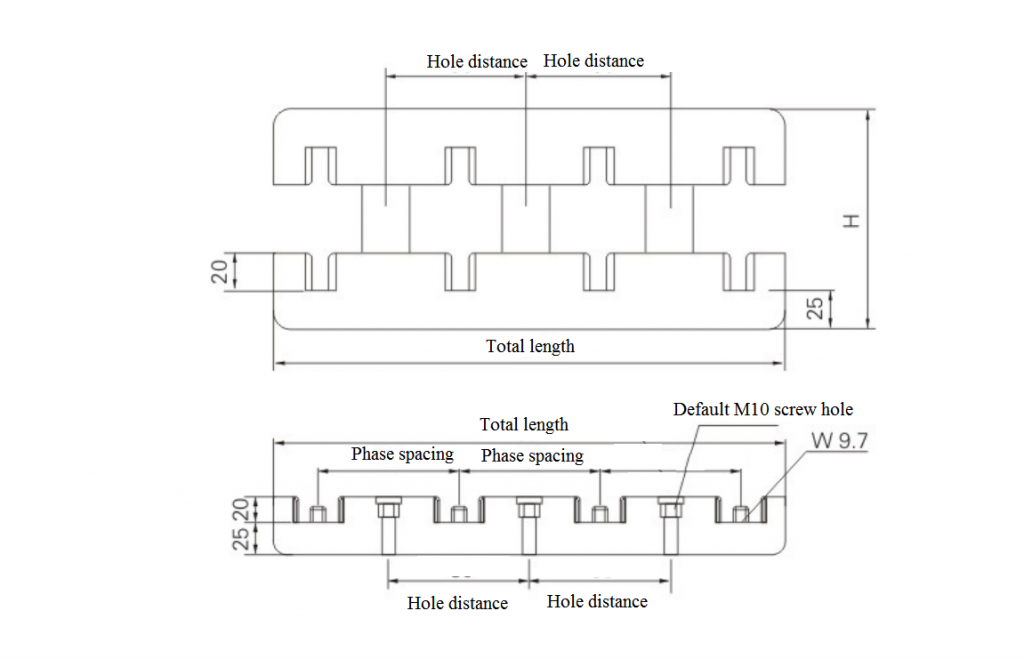
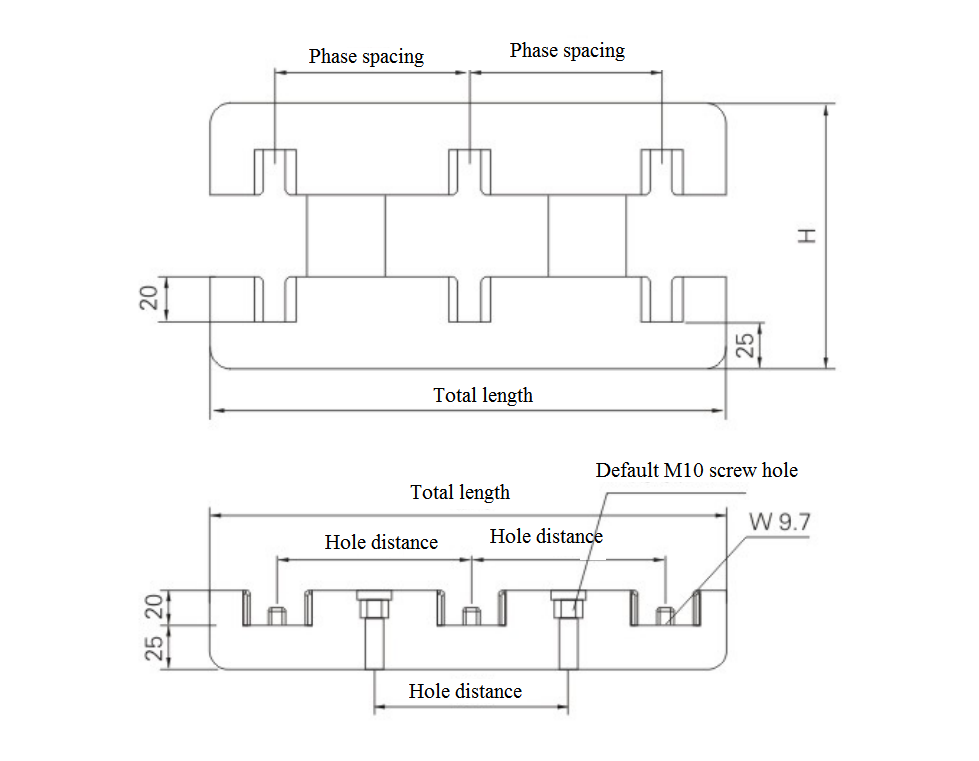
Size is determined by your copper bar’s cross-section (width × thickness) and how many bars need to sit side by side per phase — matching the specification table to your actual bar dimensions is the starting point, and custom sizing is available if your bar doesn’t match a standard row.
3. What does a UL94 V0 flammability rating actually guarantee?
It means the material self-extinguishes within a set time after the ignition source is removed, without dripping flaming particles — the highest common rating for plastics used in electrical enclosures, and generally the rating specifiers require for panels and switchgear rather than V-2 or HB-rated materials.
4. Can the color and mounting hole pattern be customized from the standard orange version?
Yes — color, screw hole size, and overall dimensions can be adjusted to match your project’s panel design or existing hole pattern, provided you supply the target specifications up front.
5. Does the operating temperature range limit where this support can be installed?
The -40°C to 140°C range covers most indoor switchgear and distribution panel environments, but applications with sustained higher ambient heat (such as enclosed outdoor cabinets in hot climates) should be checked against the material’s rating before specifying.

 이메일:
이메일:  No. 20 Lingyun Road, Dongfeng

 Korean
  English (United States)
  English (South Africa)
  Arabic
  Belarusian
  Bengali
  Japanese
  Kazakh
  Myanmar
  Russian
  Thai
Thai  Ukrainian
  Uzbek
Uzbek  Vietnamese
  Chinese