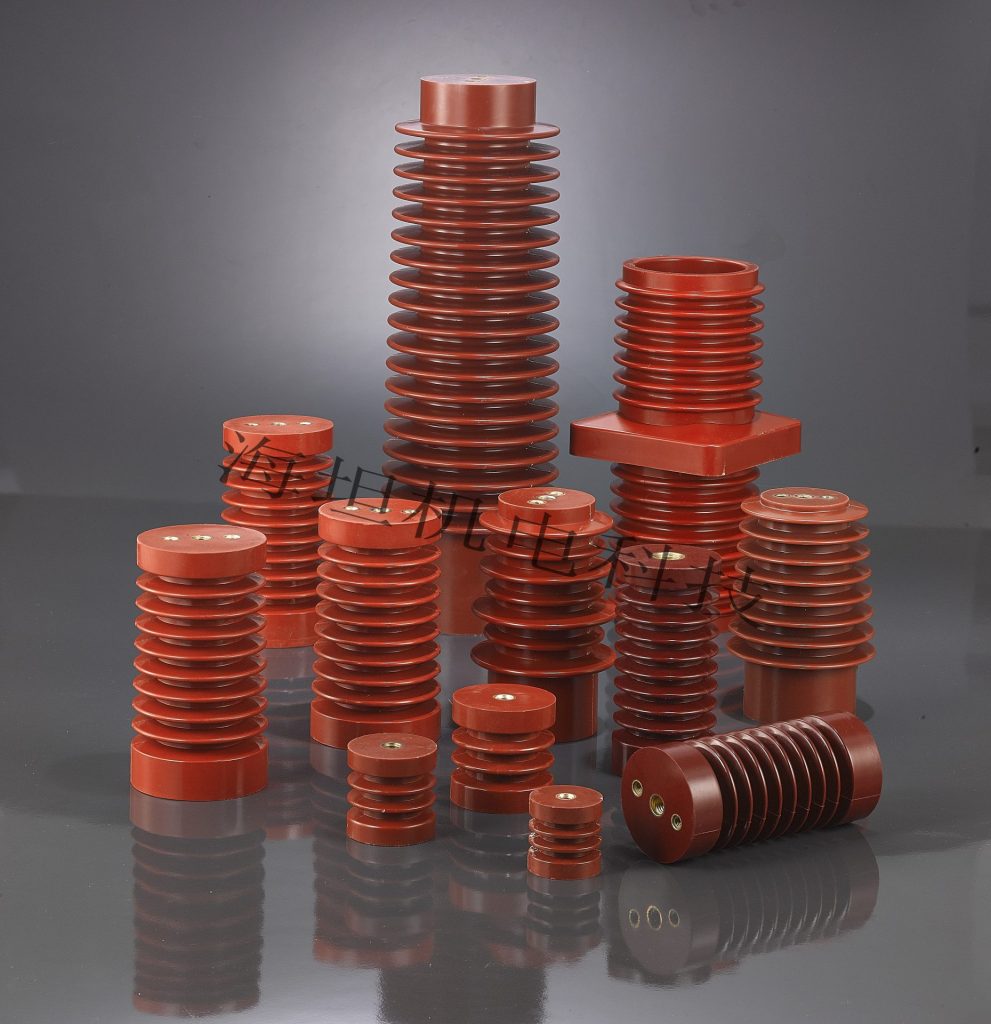
Full Range of DMC Low-Voltage Insulators — Engineered for Compatibility, Customizable
소개
As modern electrical systems become more compact, efficient, and high-performance, the demand for reliable insulation solutions continues to grow. Among these, DMC (Dough Molding Compound) low-voltage insulators have become a preferred choice in power distribution, photovoltaic systems, energy storage cabinets, and industrial control equipment.
What makes them stand out is not only their electrical performance but also their high compatibility, structural flexibility, and customization capability across different applications.
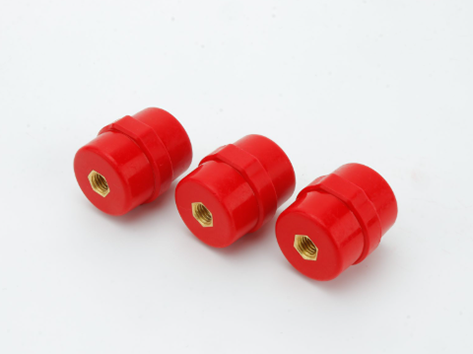
What Are DMC Low-Voltage Insulators?
DMC low-voltage insulators are molded composite insulating components made from glass fiber-reinforced thermosetting resin materials. They are widely used in low-voltage electrical systems to:
Provide electrical insulation between conductive parts
Support busbars and terminals
Prevent short circuits and arc faults
Maintain mechanical stability under thermal and electrical stress
Compared with traditional ceramic or metal-based insulation solutions, DMC insulators offer better molding flexibility and improved impact resistance.
Key Advantages of DMC Insulators
Excellent Electrical Insulation Performance
DMC materials have high dielectric strength, making them suitable for low-voltage and medium-load environments. They help ensure stable insulation even under humid or dusty conditions.
높은 기계적 강도
Reinforced with glass fiber, DMC insulators maintain structural integrity under vibration, torque, and long-term mechanical load.
Heat and Flame Resistance
Most DMC materials meet flame-retardant standards and can operate reliably in high-temperature environments, such as:
배전 캐비닛
Photovoltaic combiner boxes
Energy storage systems
Corrosion and Aging Resistance
Unlike metal components, DMC insulators are resistant to:
Moisture
Chemical corrosion
UV exposure
Long-term aging
This makes them suitable for both indoor and outdoor installations.
Designed for Compatibility Across Systems
One of the biggest advantages of DMC low-voltage insulators is their broad compatibility with different electrical architectures.
They are commonly used in:
Low-voltage switchgear systems
Busbar support structures
Distribution panels
Renewable energy cabinets
Industrial automation systems
Because DMC materials can be molded into complex shapes, manufacturers can easily adapt designs to match different:
Busbar sizes
Mounting configurations
Voltage requirements
Clearance and creepage distances
This compatibility significantly reduces redesign costs for engineers and OEM manufacturers.
Customizable Design for Different Applications
Customization is a key reason why DMC 절연체 are widely adopted in modern electrical manufacturing.
Customizable parameters include:
Shape and structure (cylindrical, rectangular, multi-slot support)
Electrical ratings (based on system voltage requirements)
Color coding (for phase identification or system marking)
Mounting interfaces (threaded inserts, snap-fit, bolt-mounted)
Surface tracking resistance level
This flexibility allows engineers to integrate insulation components directly into system design rather than adapting systems around standard parts.
Applications in Modern Electrical Systems
Photovoltaic Power Systems
Used in combiner boxes and inverter cabinets to isolate and support busbars under high DC load conditions.
에너지 저장 시스템(ESS)
Provide insulation and mechanical support for high-current battery connection systems.
Industrial Control Cabinets
Ensure safe separation between control circuits and power circuits.
Rail Transit and Infrastructure
Used in power distribution units where vibration resistance and long-term reliability are essential.
Why Engineers Prefer DMC Insulators
In practical engineering applications, DMC insulators are preferred because they balance:
Performance stability
Cost efficiency
Design flexibility
Long service life
They also reduce maintenance requirements, making them ideal for systems that demand continuous uptime.
Future Trends of DMC Insulation Technology
As power systems evolve toward higher density and smarter integration, DMC 절연체 are expected to develop in several directions:
Higher temperature resistance materials
Enhanced tracking and arc resistance
Lightweight structural designs
Integration with smart monitoring systems
More environmentally friendly composite formulations
These improvements will further strengthen their role in next-generation electrical infrastructure.
FAQ
1. What does DMC stand for in insulators?
DMC stands for Dough Molding Compound, a reinforced thermosetting composite material used for electrical insulation components.
2. Are DMC insulators suitable for outdoor use?
Yes. They offer strong resistance to UV, moisture, and aging, making them suitable for outdoor electrical systems.
3. Can DMC insulators be customized?
Yes. They can be customized in shape, size, mounting structure, and electrical performance depending on system requirements.
4. Where are DMC insulators most commonly used?
They are widely used in photovoltaic systems, energy storage cabinets, switchgear, and industrial power distribution systems.
5. How long is the service life of DMC insulators?
Under normal operating conditions, they can last many years due to their high mechanical and chemical stability.
--- 끝 ---
 이메일: [email protected]
 No. 20 Lingyun Road, Dongfeng
산업 지역, Liushi 타운, Yueqing
시, 절강성


위챗
© 저작권 2024 중국 하이탄 전기 기계 기술 유한 회사. 판권 소유.지원자:JUNJ 개인 정보 보호 정책
 Korean
  English (United States)
  English (South Africa)
  Arabic
  Belarusian
  Bengali
  Japanese
  Kazakh
  Myanmar
  Russian
  Thai
Thai  Ukrainian
  Uzbek
Uzbek  Vietnamese
  Chinese