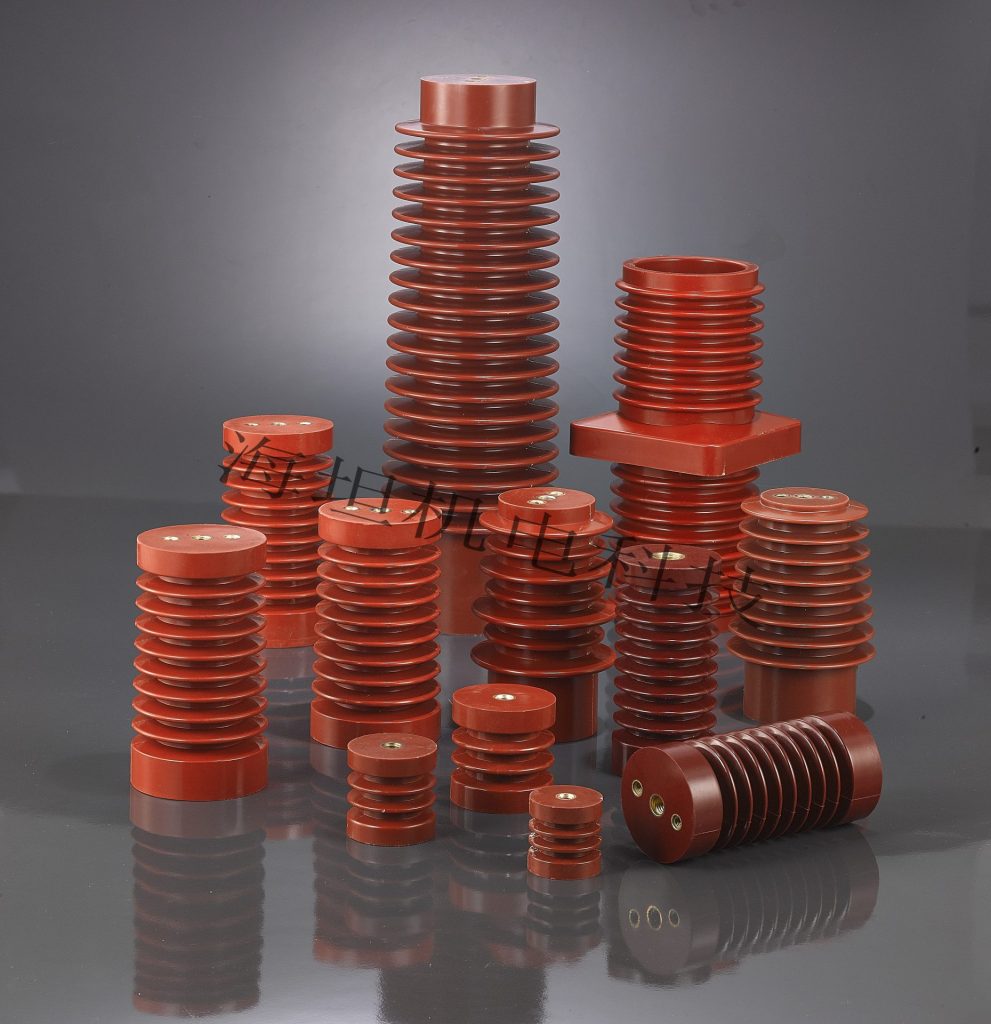
Innovations in Busbar Insulation Technology for Modern Power Systems
ဘလော့ | သတင်းခန်း | Apr 02,2026
နိဒါန်း
As global demand for electricity continues to grow, modern power systems are evolving toward higher efficiency, compact design, and enhanced safety. At the heart of these systems, busbar inulator technology plays a vital role in ensuring reliable power distribution.
Recent innovations in materials, design, and manufacturing processes are transforming how Busbar insulators perform in increasingly demanding environments.
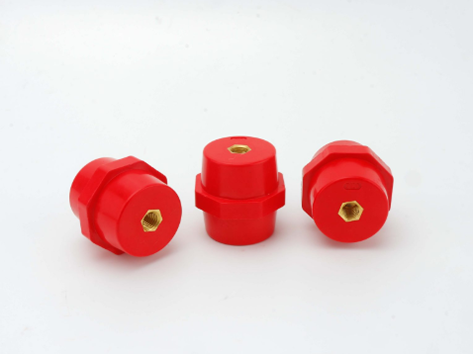
Advanced Composite Materials for Superior Performance
One of the most significant innovations in busbar inulator is the development of high-performance composite materials.
Key advancements:
Enhanced DMC and SMC formulations with improved thermal stability
Glass fiber reinforcement for higher mechanical strength
Low-smoke, halogen-free materials for improved fire safety
Benefits:
Higher dielectric strength
Better resistance to heat, moisture, and chemicals
Longer service life in harsh environments
These materials allow Busbar insulators to meet the demands of high-load and high-temperature applications.
Epoxy Resin Technology for High-Voltage Applications
Epoxy-based insulation systems have seen major improvements, especially in medium- and high-voltage applications.
Innovations include:
Vacuum casting techniques to eliminate internal voids
Improved resin formulations for crack resistance
Integration with embedded conductors and components
အကျိုးသက်ရောက်မှု:
Reduced partial discharge risk
Higher insulation reliability
Improved long-term aging performance
Epoxy insulation is now widely used in switchgear, transformers, and GIS (Gas-Insulated Switchgear) systems.
Compact and Modular Insulation Design
Modern electrical systems are becoming more space-constrained, especially in urban and industrial environments.
New design trends:
Low-profile Busbar insulators
Modular support systems for easy assembly
Integrated wire holders and multi-functional components
Advantages:
Space-saving panel designs
Faster installation and maintenance
Improved system flexibility
These innovations support the shift toward compact switchgear and smart distribution systems.
Precision Molding and Automated Manufacturing
Manufacturing technology has advanced significantly, improving the consistency and quality of busbar insulators.
Key developments:
High-precision compression and injection molding
Automated production lines with real-time monitoring
Computer-controlled curing processes
Results:
Tight dimensional tolerances
Uniform material density
Reduced defects such as air bubbles or cracks
This ensures stable performance across large production batches, which is essential for modern infrastructure projects.
Improved Surface Engineering and Coatings
Surface performance is critical for preventing leakage current and electrical tracking.
Innovations include:
Anti-tracking and anti-erosion coatings
Hydrophobic surface treatments
UV-resistant finishes for outdoor applications
Benefits:
Enhanced resistance to pollution and humidity
Reduced maintenance requirements
Improved safety in extreme environments
These surface technologies are particularly valuable in coastal, desert, and high-pollution areas.
Smart Monitoring and Integrated Sensors
With the rise of smart grids, busbar insulation is no longer just a passive component.
Emerging technologies:
Embedded temperature sensors
Partial discharge monitoring systems
IoT-enabled condition monitoring
အကျိုးသက်ရောက်မှု:
Real-time performance tracking
Early fault detection
Predictive maintenance capabilities
This shift toward intelligent insulation systems helps reduce downtime and improve operational efficiency.
Sustainability and Eco-Friendly Solutions
Environmental concerns are driving innovation in insulation materials and manufacturing processes.
Key trends:
Recyclable and low-emission materials
Energy-efficient production methods
Reduction of hazardous substances
Benefits:
Compliance with global environmental regulations
Lower carbon footprint
Safer disposal and lifecycle management
Sustainable insulation solutions are becoming a priority for modern power projects.
High-Performance Insulation for Renewable Energy Systems
The growth of renewable energy systems—such as solar and wind power—has introduced new requirements for busbar insulation.
Challenges:
Fluctuating loads and temperatures
Outdoor exposure to extreme conditions
High current densities
Innovations addressing these challenges:
Weather-resistant composite insulators
High-temperature-resistant materials
Flexible and modular designs
These advancements ensure reliable performance in renewable energy installations.
ကောက်ချက်
Innovations in busbar inulator technology are reshaping modern power systems by enhancing safety, efficiency, and reliability. From advanced materials and precision manufacturing to smart monitoring and sustainable solutions, these developments are enabling electrical infrastructure to meet the demands of a rapidly evolving energy landscape.
For manufacturers, engineers, and project developers, staying updated with these innovations is essential for building future-ready power systems that are both resilient and efficient.
အမြဲမေးလေ့ရှိသောမေးခွန်းများ
1. What is the latest trend in busbar insulation technology?
The integration of smart monitoring systems and advanced composite materials is one of the most important trends.
2. Why are composite materials widely used in modern insulators?
They offer a balance of high mechanical strength, excellent insulation, and environmental resistance.
3. How does precision manufacturing improve insulation performance?
It ensures consistent dimensions, eliminates defects, and enhances both electrical and mechanical properties.
4. Are eco-friendly insulation materials reliable?
Yes, modern eco-friendly materials are designed to meet strict performance and safety standards.
5. What role does insulation play in renewable energy systems?
It ensures safe and stable power transmission under variable and often harsh environmental conditions.
--- အဆုံး ---
Prev: Key Factors to Consider When Buying Busbar Insulators in Bulk
ပြီးသားနောက်ဆုံးဆောင်းပါး
 E-mail: shay@cn ataitan.net
 နံပါတ် 20 လှိုင်လမ်း, Dongfeng
စက်မှုဇုန်, လီရှီမြို့, yueqing
မြို့, Zhejiang ပြည်နယ်


လောဝါတင်
©မူပိုင်ခွင့် 2024 China Haitan Electromemechaniomean နည်းပညာကုမ္ပဏီလီမိတက်။ပံ့ပိုးမှု: Junj ကိုယ်ရေးအချက်အလက်မူဝါဒ
 Myanmar
  English (United States)
  English (South Africa)
  Arabic
  Belarusian
  Bengali
  Japanese
  Kazakh
  Korean
  Russian
  Thai
Thai  Ukrainian
  Uzbek
Uzbek  Vietnamese
  Chinese