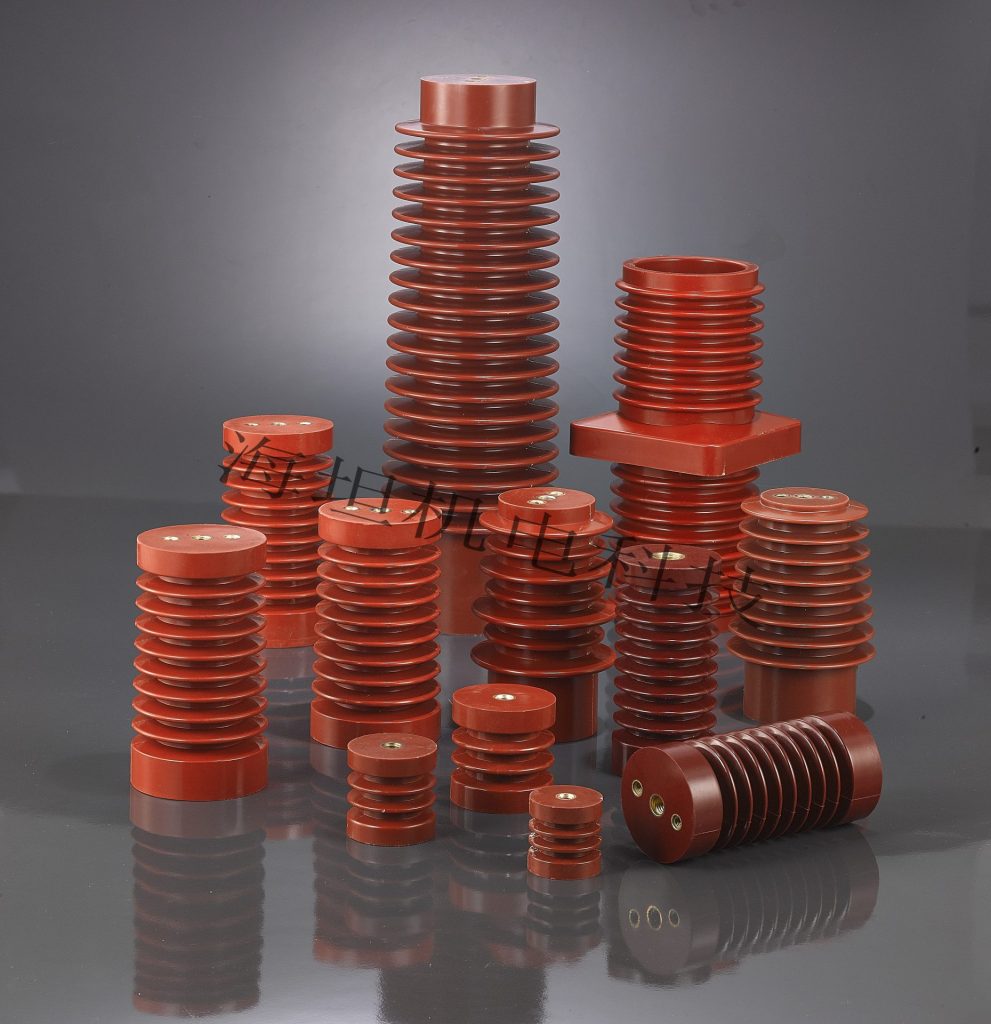
Understanding BMC / SMC Busbar Insulator Support: Material Properties and Performance
ဘလော့ | သတင်းခန်း | Dec 26,2025
နိဒါန်း
In modern low-voltage power distribution systems, busbar insulator supports are essential components that provide စက်မှုတည်ငြိမ်မှု, လျှပ်စစ်ပစ္စည်းများနှင့် ရေရှည်ယုံကြည်စိတ်ချရ. Among the most commonly used materials for these supports are BMC (Bulk Fulling Theading) နှင့် SMC (Sheet femolding ပေါင်းစပ်). Understanding the material properties and performance characteristics of BMC and SMC is crucial for engineers, designers, and procurement professionals when selecting the right busbar insulator support for switchgear, control panels, and distribution boards.

What Are BMC and SMC?
BMC and SMC are thermosetting composite materials reinforced with glass fibers, widely used in electrical insulation and structural applications. Both materials offer high mechanical strength, excellent electrical insulation, and environmental durability, but they are optimized for different design requirements.
Contains short glass fibers
High dimensional stability
Ideal for compact, precise, and complex shapes
SMC (Sheet femolding ပေါင်းစပ်)
Composed of longer glass fibers in sheet form
Higher mechanical strength and rigidity
Suitable for larger or load-bearing components
Both BMC and SMC are molded under heat and pressure, producing dense, void-free parts with consistent performance and excellent surface finish.
Key Material Properties
Electrical Performance
Electrical insulation is the primary function of busbar supports. BMC / SMC materials offer:
High dielectric strength, ensuring resistance to electrical breakdown
Stable insulation characteristics under voltage stress
Low surface leakage current, reducing the risk of tracking and flashover
These properties make BMC / SMC insulator supports ideal for maintaining safe clearance and creepage distances in low-voltage switchgear.
စက်မှုခွန်အား
Busbar supports must withstand electrodynamic forces during short circuits, vibration, and handling. BMC / SMC materials provide:
မြင့်သော compressive and flexural strength
Resistance to impact and vibration
Long-term dimensional stability under thermal and mechanical stress
SMC generally offers higher mechanical strength, making it suitable for larger busbars or heavy-duty applications, while BMC excels in compact and precise designs.
အပူနှင့်သဘာဝပတ်ဝန်းကျင်ခုခံ
Switchgear and distribution panels can experience elevated temperatures and harsh environmental conditions. BMC / SMC materials are designed to handle:
High operating temperatures without softening or deformation
Low thermal expansion, reducing stress on busbars
Resistance to moisture, dust, and chemical exposure, preventing aging and degradation
These features contribute to a longer service life and lower maintenance requirements.
Performance Advantages of BMC / SMC Busbar Supports
| လက်ခဏာ | အကျိုးဖြစ်ထွန်းမှု |
| လျှပ်စစ်ပစ္စည်းများ | High dielectric strength; reliable clearance & creepage |
| စက်မှုခွန်အား | Withstand electrodynamic forces and vibration |
| အပူတည်ငြိမ်မှု | Maintains performance under high temperatures |
| Environmental resistance | Resistant to moisture, dust, and chemical exposure |
| Dimensional consistency | Supports precise busbar alignment and spacing |
By combining these advantages, BMC / SMC busbar insulator supports ensure safe, reliable, and durable operation of low-voltage electrical equipment.
Applications of BMC / SMC Busbar Insulator Supports
BMC / SMC busbar supports are widely used in:
Low-voltage switchgear assemblies
Distribution boards and panels
Motor control centers (MCCs)
Industrial control cabinets
Renewable energy and energy storage systems
Their material properties make them suitable for both compact, high-density designs နှင့် heavy-duty, high-current applications.
BMC vs. SMC: Choosing the Right Material
BMC: Ideal for smaller, precise components where dimensional accuracy is critical. Excellent for compact switchgear and control panel layouts.
စုပ်ငျး sc: Suitable for larger, mechanically demanding applications where high flexural and compressive strength are needed. Preferred for heavy busbar systems and industrial distribution boards.
Selecting the appropriate material ensures optimal mechanical support, electrical safetyနှင့် ရေရှည်ယုံကြည်စိတ်ချရ.
ကောက်ချက်
BMC / SMC busbar insulator supports combine excellent electrical insulation, high mechanical strength, and environmental durability, making them essential components in low-voltage power distribution systems. Understanding their material properties and performance characteristics helps engineers and manufacturers select the right support for safe, reliable, and long-lasting switchgear and distribution panels.
By choosing the appropriate BMC or SMC busbar insulator support, you can enhance insulation coordination, ensure စက်မှုတည်ငြိမ်မှု, and extend the service life of low-voltage electrical equipment.
အမြဲမေးလေ့ရှိသောမေးခွန်းများ
Q1: What is the difference between BMC and SMC busbar insulator supports?
A: BMC (Bulk Molding Compound) uses short glass fibers, providing high dimensional precision and suitable for compact, intricate components. SMC (Sheet Molding Compound) contains longer glass fibers, offering higher mechanical strength, ideal for larger or heavy-duty busbar supports.
Q2: Why are BMC / SMC materials preferred for low-voltage busbar insulator supports?
A: They offer a combination of high dielectric strength, excellent mechanical stability, thermal resistance, and environmental durability, ensuring both electrical safety and structural reliability.
Q3: Can BMC / SMC busbar supports withstand short-circuit forces?
A: Yes, these materials are designed to resist electrodynamic forces generated during short-circuit events, maintaining busbar alignment and insulation clearance.
Q4: Are BMC / SMC supports suitable for outdoor or industrial environments?
A: Yes, they have excellent resistance to moisture, dust, chemicals, and temperature fluctuations, making them reliable in harsh industrial conditions.
Q5: How do I choose between BMC and SMC for my application?
A: Choose BMC for compact, precision-required designs, and SMC for larger, load-bearing applications where higher mechanical strength is needed.
Q6: Do BMC / SMC busbar insulator supports comply with international standards?
A: Yes, they are widely used in IEC and UL compliant switchgear and distribution systems, supporting safe creepage and clearance distances.
--- အဆုံး ---
 E-mail: shay@cn ataitan.net
 နံပါတ် 20 လှိုင်လမ်း, Dongfeng
စက်မှုဇုန်, လီရှီမြို့, yueqing
မြို့, Zhejiang ပြည်နယ်


လောဝါတင်
©မူပိုင်ခွင့် 2024 China Haitan Electromemechaniomean နည်းပညာကုမ္ပဏီလီမိတက်။ပံ့ပိုးမှု: Junj ကိုယ်ရေးအချက်အလက်မူဝါဒ
 Myanmar
  English (United States)
  English (South Africa)
  Arabic
  Belarusian
  Bengali
  Japanese
  Kazakh
  Korean
  Russian
  Thai
Thai  Ukrainian
  Uzbek
Uzbek  Vietnamese
  Chinese