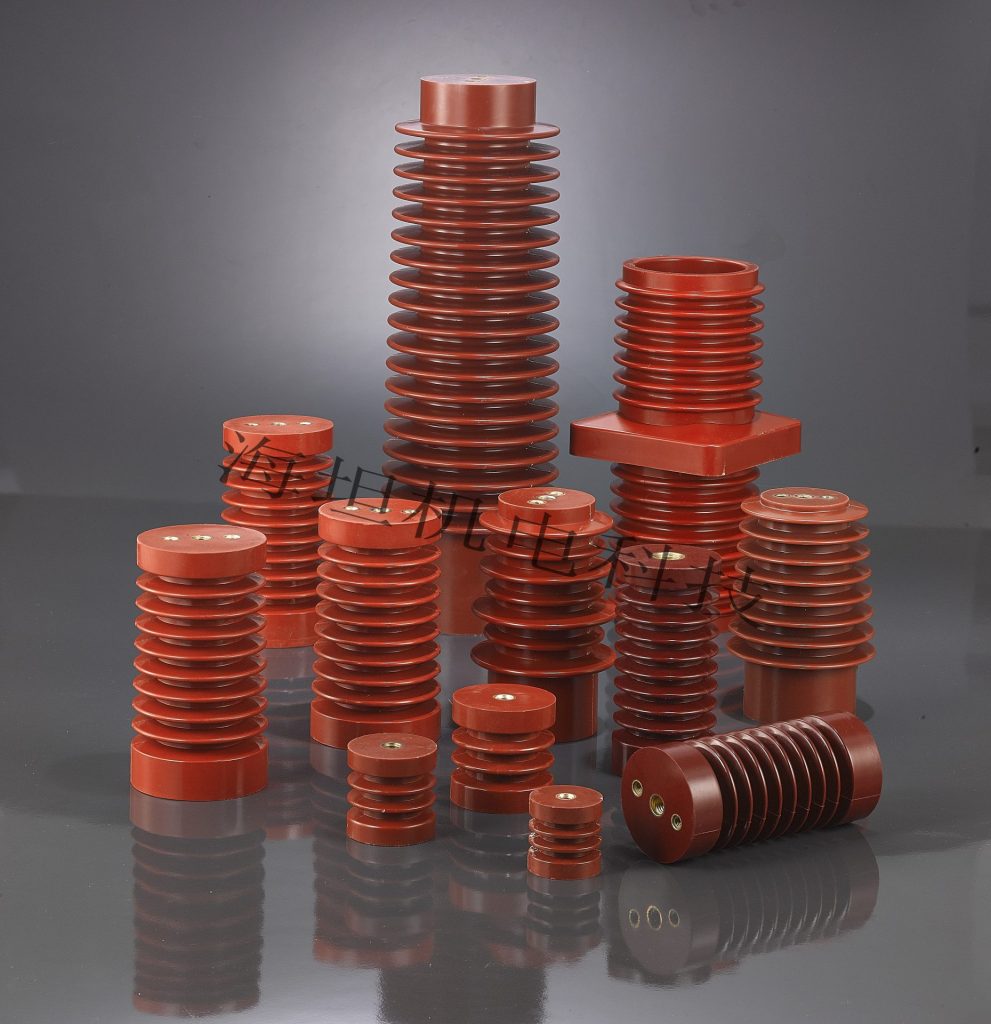
Busbar Insulators for Wind Energy Systems: A Practical Buyer’s Guide
ဘလော့ | သတင်းခန်း | Oct 10,2026
When you specify electrical components for a wind turbine, the busbar insulator is easy to overlook—until one fails. These compact composite parts carry the full converter current while holding live conductors apart, often inside a nacelle that swings between −40 °C winters and +60 °C summer loads, or on an offshore platform where salt mist never stops. For your business, the real cost of a wrong choice is not a replacement part; it is an unplanned downtime event measured in lost megawatt-hours and a field crew dispatched in bad weather.
This guide walks you through what actually matters when selecting busbar support insulators for wind-energy systems, so you can specify with confidence instead of guesswork.
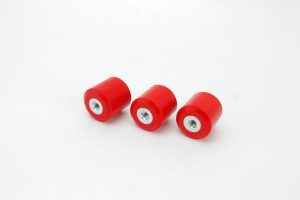
Where Busbar Insulators Work Inside a Wind Turbine
In a typical turbine, busbar insulators appear wherever a rigid copper or aluminum busbar must be held mechanically steady and electrically isolated at the same time. The three most common locations each impose a different stress profile on the part:
| Turbine location | Typical voltage | Dominant insulation challenge |
|---|---|---|
| Nacelle converter / inverter | 690 V – 1000 V AC | High continuous current, vibration, thermal cycling |
| Tower / base switchgear | 690 V – 1500 V DC | Limited service access, condensation |
| Yaw / pitch cabinet | 400 V – 690 V AC | Constant motion, mechanical fatigue |
Because these enclosures are sealed and rarely serviced, your insulator has to be right the first time—there is no convenient second chance once the tower is commissioned.
Choosing the Right Material: DMC, BMC, and SMC vs. the Alternatives
For most wind applications, thermoset composites—DMC (Dough Molding Compound), BMC (Bulk Molding Compound), and စုပ်ငျး sc (Sheet Molding Compound)—have become the default choice over traditional porcelain and glass. The reason is practical: composites resist tracking and erosion far better under contaminated, high-humidity conditions, they survive vibration without shattering, and they weigh a fraction of ceramic parts, which matters when you are hoisting assemblies into a nacelle.
| ဝတ္တု | CTI (IEC 60112) | Temp range | စက်မှုခွန်အား | Best fit in wind |
|---|---|---|---|---|
| DMC / BMC composite | High (600+) | −40 to +130 °C | High, impact-resistant | Nacelle converters, offshore |
| SMC composite | မြင့်သော | −40 to +130 °C | Very high, larger sections | High-load busbar frames |
| Porcelain / ceramic | Low–medium | Wide, but brittle | High, but shatters on impact | Rarely specified for turbines |
| Epoxy (cast) | မြင့်သော | −40 to +120 °C | မြင့်သော | Transformer & HV interfaces |
We have DMC/BMC busbar insulators built for wind-energy electric systems, but the principle is what matters for your specification: prioritize a high CTI rating and sealed metal inserts over the cheapest catalogue part.
If your turbine also feeds a battery energy-storage unit, the same CTI logic applies one level up—see how high-CTI BMC insulators for battery energy-storage systems are specified for contamination-prone enclosures.
The Specifications That Actually Matter
A credible wind-energy insulator specification is built on a short list of parameters. Miss one and the part may pass incoming inspection yet fail in year two.
- Rated voltage & insulation coordination. Size to the system voltage plus transient overvoltage margin per standard low-voltage insulators practice and IEC 60071 / IEC 60664 creepage-and-clearance rules.
- CTI (Comparative Tracking Index, IEC 60112). Higher CTI means better resistance to conductive paths forming under humidity and contamination—critical for offshore.
- Temperature window. Verify the material stays stable from −40 °C through at least +130 °C at the surface.
- Mechanical load. The insulator must hold busbar weight and survive short-circuit electromagnetic forces without cracking.
- Flammability. UL 94 V-0 self-extinguishing performance is the common baseline for enclosed electrical equipment.
- Environmental validation. For coastal and offshore sites, request salt-mist testing to IEC 60068-2-52 and confirm insert plating corrosion resistance.
Sizing and Spacing for Wind Converters
Sizing starts from the converter’s continuous RMS current and its short-circuit peak. From there you confirm the busbar temperature rise stays within the limit set by IEC 61439-1, then choose an insulator whose mechanical rating covers the resulting electromagnetic forces. In practice, most specifiers add a 20–30% current margin so the assembly keeps a thermal headroom during grid fault events.
Phase-to-phase spacing drives the insulator height and creepage distance you need. Tighter pitch saves nacelle space but demands a higher CTI grade; if your layout is space-constrained, that trade-off—not the catalogue photo—should drive the material decision.
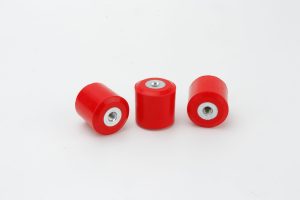
Onshore vs. Offshore: The Environment Decides
Onshore turbines mostly stress insulators with temperature cycling and condensation. Offshore units add a constant salt-mist load that attacks both the composite surface and the metal insert. The same reasoning that makes composites the right call for wind also explains their rise across other harsh-environment segments—compare the logic in new-energy insulators for EV, solar, and 5G systems. For offshore, do not accept a generic “weatherproof” claim; ask for the actual salt-mist test cycle and the insert plating specification.
Certifications and Standards Checklist
| Standard / mark | What it covers | Why it matters to you |
|---|---|---|
| IEC 62217 / IEC 61109 | Composite insulator performance | Baseline for electrical & mechanical ratings |
| IEC 60664 / IEC 60071 | Creepage, clearance, insulation coordination | Prevents flashover in humid conditions |
| ul 94 v-0 | မီးခေတာ | Enclosed-equipment fire safety |
| CE / RoHS | Market access & substance compliance | Required for EU and many export markets |
| IEC 60068-2-52 | Salt-mist corrosion test | Proof of offshore durability |
ရှောင်ရှားရန်ဘုံအမှားများ
- Specifying to nameplate motor voltage only. Use system voltage plus transient overvoltage, or creepage will be short.
- Choosing on price per piece. A failed insulator costs you a crane and a crew, not a line item.
- Ignoring the metal insert. The composite can be perfect while the insert corrodes offshore—validate both.
- Assuming one part fits every turbine. Busbar pitch, current, and environment vary; confirm before bulk ordering.
Need a wind-energy insulator spec sheet tailored to your turbine?Send us your system voltage, continuous current, busbar pitch, and environment (onshore or offshore). The Haitan team returns a matched DMC/BMC busbar insulator recommendation. |
မကြာခဏမေးလေ့ရှိသောမေးခွန်းများ
What voltage class of busbar insulators do wind turbines require?
Most modern turbines use 690 V AC collector and converter busbars, with some platforms moving to 1000 V or to medium-voltage 3–35 kV collector systems. Match the insulator’s rated voltage and creepage distance to the actual system voltage plus transient overvoltage margin—not the nameplate motor voltage alone.
Which insulator material performs best in offshore (salt-spray) wind farms?
Thermoset composites with a high CTI (per IEC 60112) and sealed, corrosion-resistant metal inserts resist salt-mist tracking better than porous ceramics. Specify parts validated to IEC 60068-2-52 salt-mist cycles and confirm the insert plating resists corrosion.
How do I size busbar insulators for the current in a wind converter?
Start from the converter’s continuous RMS current and short-circuit peak, then verify the insulator’s mechanical load rating and the busbar temperature rise (keep it within IEC 61439-1). Adding a 20–30% current margin is common practice to retain thermal headroom during faults.
What standards and certifications should wind-energy busbar insulators meet?
At minimum, expect IEC 62217 / IEC 61109 for insulator performance, IEC 60664 for creepage and clearance, UL 94 V-0 flammability, and CE / RoHS marking. Units bound for North America may also require UL or CSA recognition. (The table above summarizes each one.)
Can I use standard low-voltage insulators, or do I need custom wind-specific parts?
Standard low-voltage insulators cover many onshore nacelles, but offshore units, cold-climate sites (−40 °C), or non-standard busbar spacing usually need customized insert threads, heights, or CTI grades. Confirm with your supplier before placing a bulk order.
What temperature range must wind-turbine insulators withstand?
Plan for −40 °C to +130 °C at the insulator surface, with short excursions higher during fault current. Verify both the material’s stability window and that the metal insert’s thermal expansion matches the composite.
Specifying a full wind-energy insulation package?Haitan supplies DMC/BMC/SMC busbar insulators. Talk to our engineers about your next project. |
Related resources
- New Energy Insulators: High-Strength Insulation for EV, Solar, and 5G Systems
- Energy Storage System Ready: High CTI BMC Insulators for Battery Systems
- Busbar Support Insulators for Switchgear & Distribution Panels
- Wind Energy Applications
--- အဆုံး ---
Prev: Energy Storage and Grid Insulators for Substations and Distribution Equipment
ပြီးသားနောက်ဆုံးဆောင်းပါး
 E-mail: shay@cn ataitan.net
 နံပါတ် 20 လှိုင်လမ်း, Dongfeng
စက်မှုဇုန်, လီရှီမြို့, yueqing
မြို့, Zhejiang ပြည်နယ်


လောဝါတင်
©မူပိုင်ခွင့် 2024 China Haitan Electromemechaniomean နည်းပညာကုမ္ပဏီလီမိတက်။ပံ့ပိုးမှု: Junj ကိုယ်ရေးအချက်အလက်မူဝါဒ
 Myanmar
  English (United States)
  English (South Africa)
  Arabic
  Belarusian
  Bengali
  Japanese
  Kazakh
  Korean
  Russian
  Thai
Thai  Ukrainian
  Uzbek
Uzbek  Vietnamese
  Chinese