
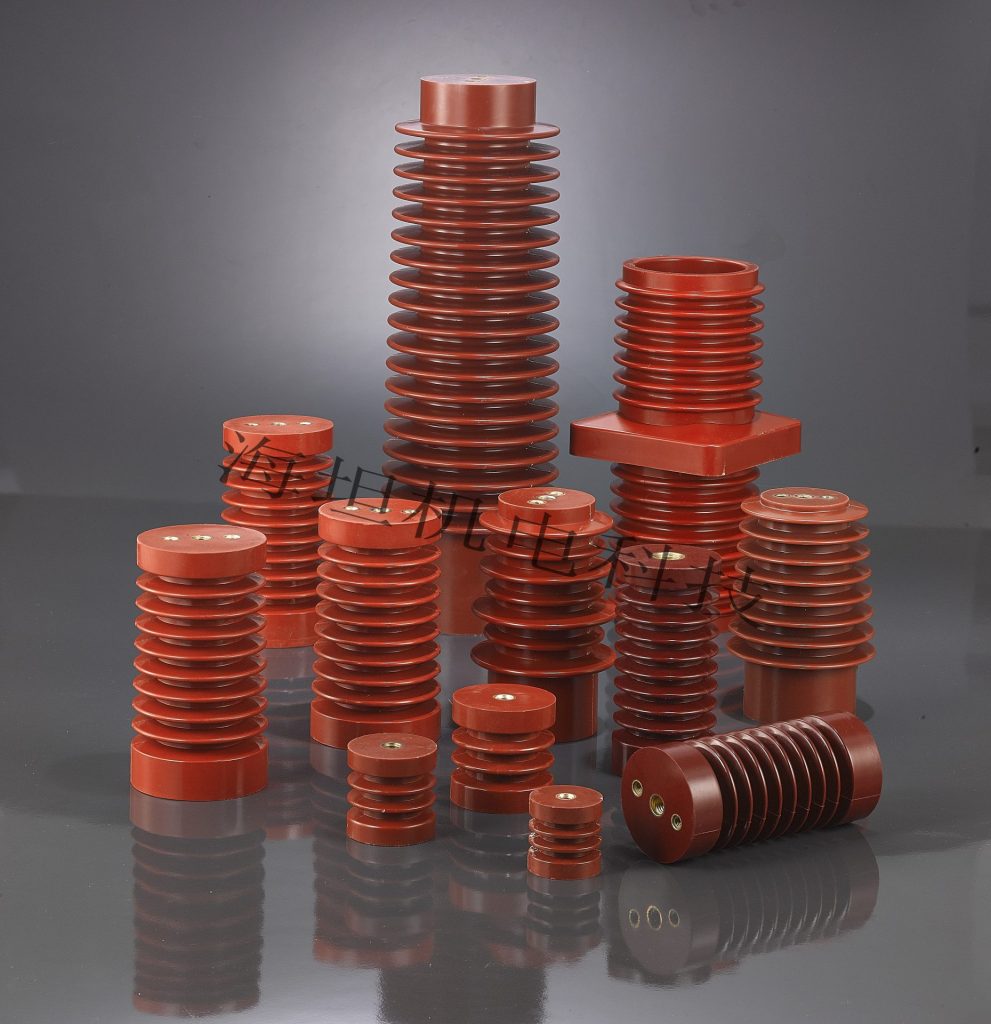
Green Manufacturing Practices: Resource Recycling and Emission Reduction in the Production of DMC Insulators
Блог | Отдел новостей | Мар 02,2026
Введение
As the global electrical industry shifts toward sustainability, manufacturers are increasingly focusing not only on product performance but also on environmentally responsible production processes. Insulators, as essential components in power transmission and distribution systems, are no exception.
Among the various types available today, Изоляторы DMC (тестоформовочный компаунд) are gaining attention for their efficient, low-emission manufacturing processes compared with traditional glass or ceramic insulators. By integrating resource recycling, energy-saving technologies, and emission reduction measures, DMC insulator production supports greener industrial practices while maintaining high reliability in electrical applications.
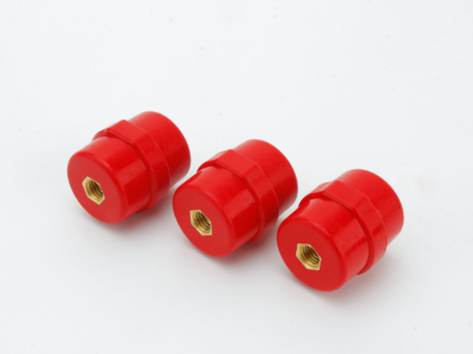
Понимание изоляторов DMC и преимуществ их материалов
DMC insulators are manufactured from thermosetting composite materials, primarily consisting of polyester resin, glass fiber reinforcement, and mineral fillers. These materials are molded under controlled pressure and temperature to form strong, electrically insulating components used in switchgear, transformers, busbar systems, and other electrical equipment.
Compared with conventional glass or porcelain insulators, DMC materials provide several advantages:
Lower processing temperatures
Reduced energy consumption
Shorter production cycles
Minimal raw material waste
Lightweight and durable final products
These characteristics make DMC insulators particularly suitable for manufacturers aiming to reduce their environmental footprint.
Energy Efficiency in the Manufacturing Process
One of the major environmental differences between DMC insulator production и glass insulator production lies in the energy required during manufacturing.
High-Energy Processes in Glass Insulator Production
Glass insulators are produced through processes that involve:
Melting silica sand and other raw materials at temperatures above 1400°C
Continuous furnace operation
Large-scale cooling and annealing procedures
These stages require significant energy input and often lead to higher carbon emissions due to fuel consumption.
Lower Energy Requirements of DMC Molding
In contrast, DMC insulators are produced using compression molding technology, typically operating at temperatures around 130–160°C.
This significantly lower processing temperature provides several environmental benefits:
Reduced electricity or fuel consumption
Lower greenhouse gas emissions
Shorter heating and cooling cycles
Improved production efficiency
As a result, the carbon footprint of изолятор DMC manufacturing is considerably lower than that of glass-based alternatives.
Resource Recycling and Material Utilization
Another important aspect of green manufacturing is efficient use of raw materials and recycling within the production process.
Recycling of DMC Production Materials
During the molding and trimming stages of изолятор DMC production, small amounts of excess material may be generated. Many modern manufacturing facilities implement recycling measures such as:
Reusing trimmed composite materials in controlled proportions
Recovering filler materials for secondary production processes
Optimizing mold design to reduce material waste
Because DMC compounds are produced in pre-measured batches, manufacturers can maintain high material utilization rates and minimize scrap.
Reduced Raw Material Consumption
Compared with traditional insulators, DMC products are lighter and structurally optimized, meaning less material is required to achieve the same mechanical strength and electrical insulation performance. This contributes to:
Lower resource extraction
Reduced transportation emissions
More efficient overall supply chains
Emission Reduction and Cleaner Production
Modern DMC insulator production lines incorporate various emission control and pollution reduction strategies to ensure compliance with environmental regulations.
Dust and Particulate Control
Handling fiberglass and mineral fillers can generate fine particles during processing. To mitigate this, manufacturers commonly use:
Closed mixing systems
High-efficiency dust collection equipment
Localized ventilation and filtration systems
These technologies significantly reduce airborne particulates and improve workplace safety.
Low-Emission Resin Systems
Advancements in resin technology have also contributed to greener manufacturing. Many DMC compounds today are formulated with:
Low volatile organic compound (VOC) emissions
Environmentally compliant curing agents
Improved thermal stability that reduces byproducts during molding
These improvements allow manufacturers to maintain high production efficiency while reducing environmental impact.
Reduced Transportation and Lifecycle Impact
Environmental considerations extend beyond the factory floor. Because Изоляторы DMC are lighter than glass or ceramic insulators, they provide additional sustainability advantages throughout the product lifecycle.
Ключевые преимущества включают в себя:
Lower transportation fuel consumption
Easier installation and handling
Reduced structural load on electrical equipment
These factors help reduce indirect emissions associated with logistics and infrastructure.
Supporting Sustainable Power Infrastructure
As power systems expand to support renewable energy, smart grids, and electrification, the demand for reliable and environmentally responsible components continues to grow. DMC insulators align well with these goals due to their:
Durable performance in demanding electrical environments
Efficient manufacturing processes
Lower overall environmental impact compared with traditional insulators
By integrating resource recycling, energy-efficient molding technologies, and emission control systems, manufacturers can produce high-quality DMC insulators while contributing to global sustainability efforts.
Заключение
Green manufacturing is becoming a key priority across the electrical equipment industry. Compared with conventional glass insulators, DMC insulators offer significant environmental advantages during production, including lower energy consumption, improved material utilization, and reduced emissions.
Through the adoption of advanced molding technologies, recycling practices, and cleaner production methods, DMC insulator manufacturers can deliver products that not only meet strict electrical performance requirements but also support a more sustainable future for power infrastructure.
Часто задаваемые вопросы
1. Why are DMC insulators considered more environmentally friendly than glass insulators?
DMC insulators are produced using compression molding at relatively low temperatures (around 130–160°C), while glass insulators require melting raw materials at temperatures exceeding 1400°C.
This large difference in processing temperature leads to:
Lower energy consumption
Reduced carbon emissions
Shorter production cycles
As a result, the manufacturing process of DMC insulators generally has a smaller environmental footprint compared with traditional glass insulator production.
2. Can materials be recycled during the production of DMC insulators?
Yes. Many manufacturers implement internal recycling systems during the production process. Small amounts of excess material generated during molding or trimming can often be:
Collected and reused in controlled ratios
Reprocessed as filler material for secondary applications
Managed through optimized mold design to minimize waste
These practices help increase raw material utilization and reduce industrial waste.
3. Do DMC insulator production processes generate fewer emissions?
Modern DMC insulator production lines typically include several emission control measures, such as:
Dust collection systems for fiberglass and fillers
Enclosed mixing equipment
Ventilation and filtration systems
In addition, newer resin formulations are designed to produce low levels of volatile organic compounds (VOCs) during curing, helping reduce environmental impact and improve workplace safety.
4. How does the lightweight design of DMC insulators support sustainability?
Compared with glass or ceramic insulators, DMC insulators are lighter, which provides environmental benefits beyond manufacturing. These include:
Lower transportation fuel consumption
Reduced logistics emissions
Easier installation and handling
The reduced weight also helps decrease structural load on equipment and infrastructure, improving overall efficiency in electrical systems.
5. Are DMC insulators suitable for sustainable power infrastructure?
Yes. DMC insulators are widely used in modern electrical equipment such as switchgear, busbar systems, transformers, and distribution panels. Their durability, electrical insulation performance, and efficient manufacturing process make them well suited for sustainable and energy-efficient power infrastructure projects.
6. Do DMC insulators support environmentally responsible manufacturing strategies?
DMC insulator production can support green manufacturing initiatives through:
Lower processing temperatures and energy consumption
Improved material utilization and recycling practices
Emission control technologies in production facilities
Reduced transportation impact due to lighter weight
--- КОНЕЦ ---
 Электронная почта: [email protected]
  № 20 Линюнь Роуд, Дунфэн
Промышленная зона, город Люши, Юэцин
Город, провинция Чжэцзян


© Copyright 2024 China Haitan Electromechanical Technology Co., Ltd. Все права защищены.ПОДДЕРЖКА: JUNJ политика конфиденциальности
 Russian
  English (United States)
  English (South Africa)
  Arabic
  Belarusian
  Bengali
  Japanese
  Kazakh
  Korean
  Myanmar
  Thai
Thai  Ukrainian
  Uzbek
Uzbek  Vietnamese
  Chinese