
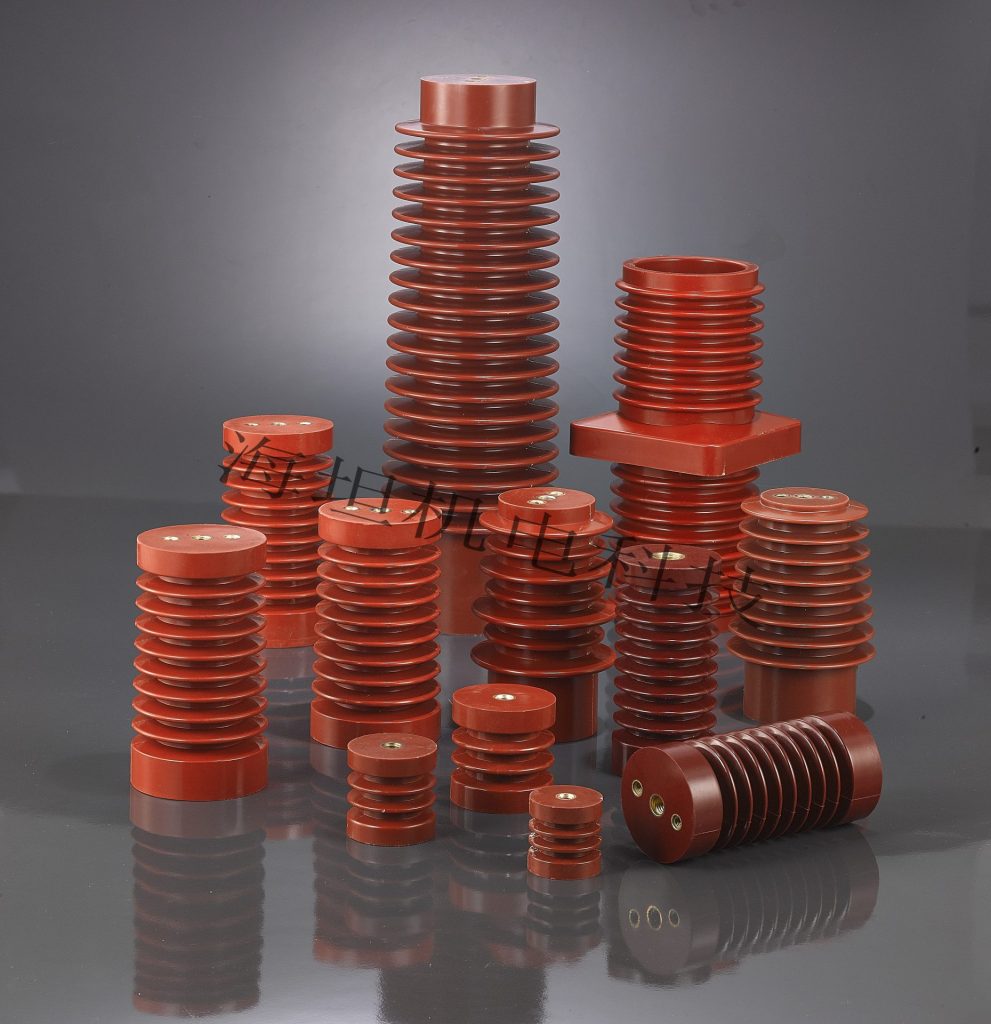
How to Choose the Right DIN Rail for Your Electrical Cabinet
Блог | Отдел новостей | Май 14,2026
Введение
Выбор права DIN-рейка for an electrical cabinet may seem simple, but it has a direct impact on system safety, installation efficiency, and long-term reliability. Whether you are designing industrial control panels, power distribution cabinets, or renewable energy systems, choosing the correct DIN-рейка ensures stable mounting and proper system performance.
What Is a DIN Rail?
А DIN-рейка is a standardized metal rail used to mount electrical components such as circuit breakers, terminal blocks, relays, and power supplies inside electrical cabinets.
It provides a modular and secure mounting system, allowing components to be easily installed, replaced, or expanded without redesigning the entire panel.
Identify the Application Type
The first step in choosing the right DIN-рейка is understanding where it will be used.
Different applications have different requirements:
Industrial automation cabinets → high vibration resistance and strong load support
Power distribution panels → higher mechanical strength and thermal stability
Solar / energy storage systems → corrosion resistance and outdoor durability
Building control systems → compact and cost-efficient solutions
Each scenario affects the type and material of DIN rail you should choose.
Choose the Correct DIN Rail Type
DIN-рейки come in different standardized profiles. The most common include:
TS35 (35mm Top Hat Rail)
The most widely used type globally.
Best for:
Control panels
Circuit breakers
PLC systems
General industrial applications
Why choose it:
Universal compatibility
High load capacity
Easy installation
TS15 (15mm Mini Rail)
Best for:
Compact control devices
Space-limited electrical enclosures
Why choose it:
Saves space
Lightweight design
Suitable for small modules
G-Type Rail
Best for:
Heavy-duty industrial systems
High-vibration environments
Why choose it:
Strong mechanical locking
High stability under load
C-Type Rail (less common today)
Best for:
Legacy systems
Specialized installations
Select the Right Material
The material of a DIN-рейка affects durability, corrosion resistance, and load performance.
Galvanized Steel
Most common material
Good strength and cost-effective
Suitable for indoor applications
Нержавеющая сталь
Excellent corrosion resistance
Ideal for harsh environments (humidity, chemicals)
Higher cost
Алюминий
Lightweight
Good corrosion resistance
Suitable for weight-sensitive designs
Consider Load Capacity and Mechanical Strength
A DIN rail must support the total weight of mounted components.
You should evaluate:
Number of devices installed
Weight of circuit breakers or power supplies
Vibration conditions
Long-term mechanical stress
Overloading a DIN rail can lead to loosening or deformation, affecting system safety.
Check Compatibility With Devices
Not all devices fit all DIN rail profiles.
Make sure:
Circuit breakers match TS35 or TS15 standards
Terminal blocks are compatible with rail type
Mounting clips are standardized
Most modern electrical components follow DIN standards, but verification is still important.
Evaluate Environmental Conditions
Environmental factors play a key role in selection:
High humidity areas → stainless steel recommended
Outdoor installations → corrosion-resistant materials required
High temperature environments → thermal stability is critical
Vibration-heavy systems → stronger rail profiles like G-type
Installation and Maintenance Requirements
A good DIN rail should also simplify installation and maintenance:
Easy snap-on device mounting
Simple cutting and sizing
Compatibility with end brackets and accessories
Quick replacement capability
This reduces labor costs and downtime during maintenance.
Распространенные ошибки, чтобы избежать
Many engineers make mistakes when selecting DIN rails:
Choosing based only on price
Ignoring load weight distribution
Using incorrect rail profile for devices
Overlooking corrosion resistance needs
Mixing incompatible mounting standards
Avoiding these issues improves system reliability and safety.
Future Trends in DIN Rail Selection
As electrical systems become more advanced, DIN-рейка selection is also evolving:
Lightweight and high-strength composite materials
Integrated grounding and shielding features
Modular smart cabinet systems
Standardized designs for IoT-ready panels
These trends make proper selection even more important for future-proof designs.
Часто задаваемые вопросы
1. What is the most commonly used DIN rail?
TS35 (35mm top hat rail) is the global standard for most electrical cabinets.
2. Can I use any DIN rail for all devices?
No. Devices must match the correct rail profile and standard.
3. What is the best material for DIN rails?
It depends on the environment. Galvanized steel is common, while stainless steel is best for harsh conditions.
4. How do I know the load capacity needed?
Calculate the total weight of all mounted devices and choose a rail with sufficient mechanical strength.
5. Are DIN rails interchangeable worldwide?
Yes, most follow international IEC/DIN standards, ensuring global compatibility.
--- КОНЕЦ ---
 Электронная почта: [email protected]
  № 20 Линюнь Роуд, Дунфэн
Промышленная зона, город Люши, Юэцин
Город, провинция Чжэцзян


© Copyright 2024 China Haitan Electromechanical Technology Co., Ltd. Все права защищены.ПОДДЕРЖКА: JUNJ политика конфиденциальности
 Russian
  English (United States)
  English (South Africa)
  Arabic
  Belarusian
  Bengali
  Japanese
  Kazakh
  Korean
  Myanmar
  Thai
Thai  Ukrainian
  Uzbek
Uzbek  Vietnamese
  Chinese