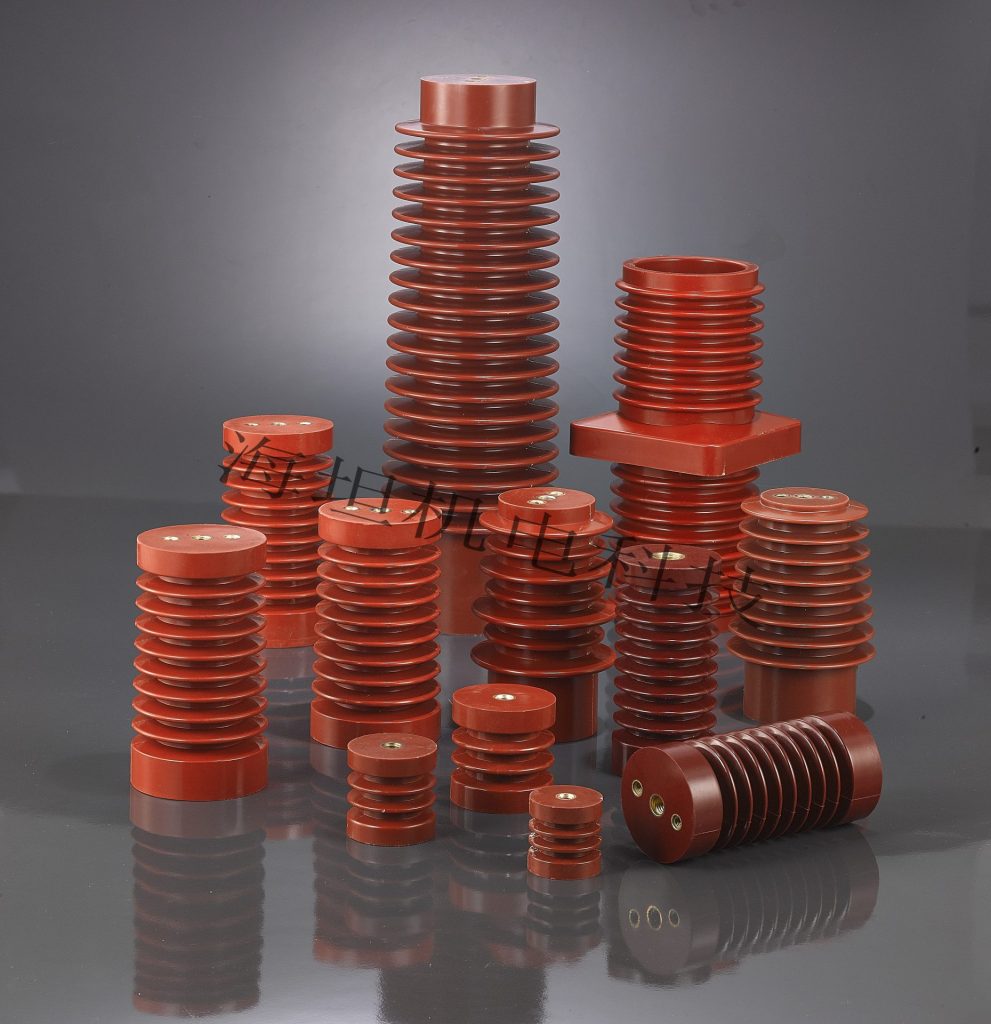
Mechanical Strength and Insulation Performance of Epoxy Busbar Support Insulators
Блог | Отдел новостей | Мар 04,2026
Введение
In electrical power systems, busbars play a critical role in distributing current within transformers, switchgear, and distribution panels. Because busbars carry large currents and operate under high voltage conditions, they must be properly supported and insulated to maintain system safety and stability.
Epoxy busbar support insulators are widely used for this purpose due to their excellent mechanical strength and outstanding electrical insulation properties. These components ensure that busbars remain securely positioned while preventing electrical faults such as short circuits, leakage currents, and flashovers.
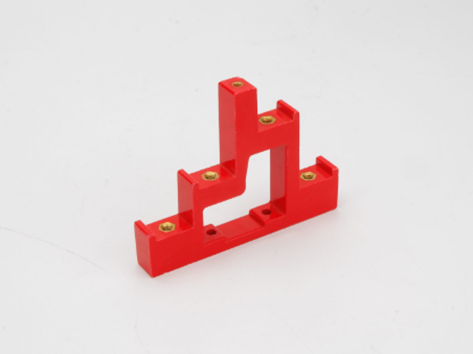
High Mechanical Strength for Busbar Support
One of the most important characteristics of epoxy busbar support insulators is their high mechanical strength. In electrical equipment such as transformers and switchgear, busbars must remain firmly fixed even under demanding operating conditions.
Epoxy insulators provide strong mechanical support by:
Holding busbars securely in place
Preventing movement caused by vibration or electromagnetic forces
Supporting heavy copper or aluminum busbars
В течение short-circuit events, extremely strong electromagnetic forces can act on busbars. High-quality epoxy insulators are designed to withstand these forces without cracking or deforming, ensuring the structural integrity of the entire system.
Resistance to Short-Circuit Mechanical Stress
Short circuits generate very large currents in a very short time. These currents create intense electrodynamic forces that may cause busbars to bend, shift, or collide with nearby components.
Epoxy busbar support insulators improve safety by:
Providing high compressive and bending strength
Absorbing mechanical shock during fault conditions
Maintaining busbar alignment during extreme stress
Many epoxy insulators are reinforced with fiberglass or mineral fillers, which significantly increase their mechanical durability and impact resistance.
Excellent Electrical Insulation Properties
In addition to mechanical strength, epoxy busbar support insulators are known for their superior electrical insulation performance.
Epoxy resin materials typically offer:
High dielectric strength
Low electrical conductivity
Strong resistance to electrical tracking and leakage
These properties ensure that busbars remain electrically isolated from grounded structures and other conductive components, which is essential for preventing electrical faults.
Stable Performance Under High Voltage
Busbars in transformers and switchgear often operate at medium or high voltage levels, which require reliable insulation to avoid breakdown or flashover.
Epoxy support insulators help maintain safe operation by:
Providing stable insulation under continuous voltage stress
Maintaining proper creepage and clearance distances
Resisting electrical discharge and surface tracking
This makes epoxy insulators particularly suitable for high-voltage and high-current applications.
Thermal Stability in High-Current Applications
Another important factor influencing both mechanical and insulation performance is temperature. Electrical systems generate heat due to current flow and environmental conditions.
Epoxy busbar support insulators offer strong thermal stability through:
High heat resistance
Low thermal deformation
Long-term performance at elevated temperatures
This allows them to maintain their structural strength and insulation capability even in demanding industrial environments.
Durability and Environmental Resistance
Electrical equipment is often exposed to humidity, dust, chemicals, and temperature fluctuations. Epoxy busbar insulators are designed to withstand these conditions.
Their advantages include:
Good moisture resistance
Strong resistance to chemical corrosion
Long service life with minimal maintenance
These properties ensure reliable operation in substations, industrial plants, and outdoor electrical installations.
Заключение
Epoxy busbar support insulators combine high mechanical strength with excellent electrical insulation performance, making them an essential component in modern power equipment.
Their ability to support heavy busbars, resist short-circuit forces, maintain electrical insulation, and perform reliably under high temperatures and voltages ensures the safe and efficient operation of transformers, switchgear, and distribution systems.
As electrical infrastructure continues to evolve, epoxy busbar support insulators will remain a key solution for enhancing system safety, reliability, and durability.
Часто задаваемые вопросы
1. What are epoxy busbar support insulators used for?
Epoxy busbar support insulators are used to securely support busbars and provide electrical insulation in equipment such as transformers, switchgear, and power distribution panels.
2. Why are epoxy materials preferred for busbar insulators?
Epoxy materials offer high mechanical strength, excellent dielectric properties, and strong heat resistance, making them suitable for demanding electrical environments.
3. Can epoxy busbar support insulators withstand short-circuit forces?
Yes. High-quality epoxy insulators are designed to handle strong electrodynamic forces generated during short circuits, preventing busbar displacement or damage.
4. What factors affect the insulation performance of busbar insulators?
Key factors include material quality, creepage distance, voltage rating, environmental conditions, and proper installation.
5. Where are epoxy busbar support insulators commonly installed?
They are commonly installed in power transformers, switchgear systems, substations, and industrial electrical distribution equipment.
--- КОНЕЦ ---
 Электронная почта: [email protected]
 № 20 Линюнь Роуд, Дунфэн
Промышленная зона, город Люши, Юэцин
Город, провинция Чжэцзян


© Copyright 2024 China Haitan Electromechanical Technology Co., Ltd. Все права защищены.ПОДДЕРЖКА: JUNJ политика конфиденциальности
 Russian
  English (United States)
  English (South Africa)
  Arabic
  Belarusian
  Bengali
  Japanese
  Kazakh
  Korean
  Myanmar
  Thai
Thai  Ukrainian
  Uzbek
Uzbek  Vietnamese
  Chinese