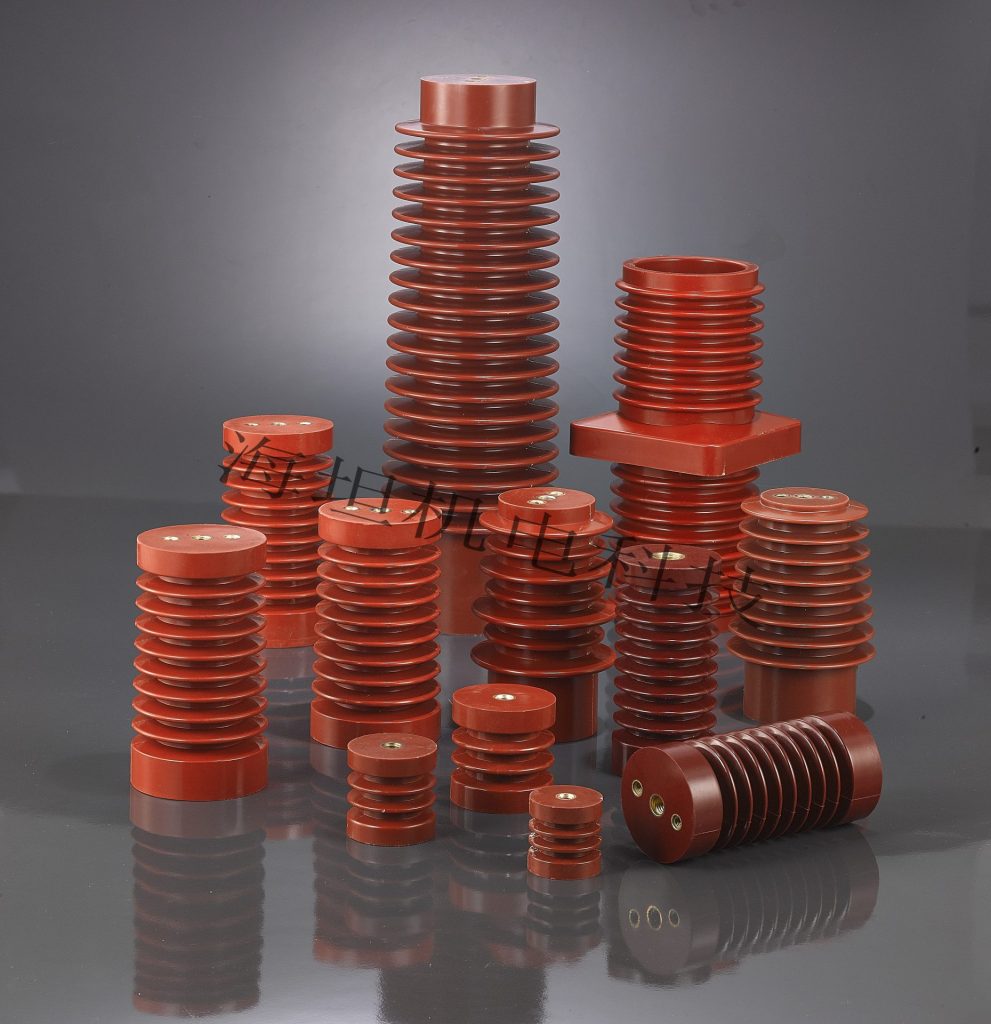
The Future of EL Insulators in Smart Grid and Energy Systems
Блог | Отдел новостей | Май 29,2026
Введение
As global energy demand continues to grow and power networks become increasingly digitalized, the role of electrical infrastructure is evolving rapidly. Smart grids, renewable energy integration, energy storage systems, and intelligent power management technologies are transforming the way electricity is generated, transmitted, and consumed.
Amid these advancements, EL insulators remain a fundamental component of electrical systems. However, their function is no longer limited to basic electrical isolation. In the era of smart grids and modern energy systems, EL insulators are expected to deliver higher performance, greater reliability, and enhanced adaptability to support the next generation of power infrastructure.
Understanding the Smart Grid Revolution
A smart grid is an advanced electricity network that combines traditional power infrastructure with digital communication, automation, and real-time monitoring technologies.
Key characteristics of smart grids include:
Two-way power flow
Real-time data collection and analysis
Automated fault detection and response
Integration of renewable energy sources
Enhanced energy efficiency and reliability
As these systems become more complex, every component—including EL insulators—must meet higher operational standards.
Why EL Insulators Matter in Modern Energy Systems
EL insulators provide critical functions such as:
Preventing electrical leakage
Supporting energized conductors and busbars
Maintaining safe electrical clearances
Protecting equipment from short circuits and flashovers
In smart grid environments, failures can have broader consequences because interconnected systems rely on continuous communication and uninterrupted power delivery.
As a result, future insulators must offer superior performance under increasingly demanding operating conditions.
Higher Demand for Advanced Insulation Materials
Traditional insulation materials have served the industry for decades, but modern energy systems require enhanced performance.
Future EL insulators are expected to utilize:
High-performance epoxy composites
Fiber-reinforced polymers
Advanced thermosetting materials
Nano-enhanced insulating compounds
These materials offer benefits such as:
Improved dielectric strength
Greater mechanical durability
Enhanced heat resistance
Longer service life
Advanced materials help utilities reduce maintenance costs while improving system reliability.
Supporting Renewable Energy Integration
The rapid growth of renewable energy is changing electrical infrastructure worldwide.
Major renewable applications include:
Solar power plants
Wind farms
Battery energy storage systems
Microgrids
These systems often operate in challenging environments, including:
Extreme temperatures
High humidity
UV exposure
Salt-laden coastal conditions
Future EL insulators will be designed specifically to withstand these environmental stresses while maintaining long-term electrical performance.
Increased Focus on Reliability and Grid Resilience
Power outages can have significant economic and social consequences.
Smart grid operators are increasingly focused on:
Preventing equipment failures
Reducing downtime
Enhancing network resilience
Future EL insulator designs will prioritize:
Higher flashover resistance
Improved contamination performance
Better resistance to aging
Enhanced mechanical stability
These improvements help ensure uninterrupted power delivery even under difficult operating conditions.
Integration with Intelligent Monitoring Systems
One of the most exciting developments in electrical infrastructure is the rise of condition monitoring technologies.
In the future, EL insulators may be integrated with:
Embedded sensors
Temperature monitoring devices
Leakage current sensors
Predictive maintenance platforms
These technologies can provide real-time information about insulation health, allowing operators to identify potential issues before failures occur.
Benefits include:
Reduced maintenance costs
Improved asset management
Enhanced system reliability
Lower risk of unexpected outages
Compact Designs for Modern Equipment
As electrical systems become more efficient, equipment manufacturers are seeking ways to reduce size and weight.
Future EL insulators will need to support:
Compact switchgear
Modular substations
Energy storage systems
High-density power distribution equipment
This trend requires innovative designs that provide excellent insulation performance while occupying less space.
Greater Emphasis on Sustainability
Sustainability has become a major priority for utilities, manufacturers, and governments worldwide.
Future EL insulator development is likely to focus on:
Environmentally friendly materials
Reduced carbon footprint during production
Longer product lifespan
Improved recyclability
Sustainable insulation solutions align with global efforts to create cleaner and more efficient energy systems.
Customization for Specialized Applications
No two energy projects are exactly alike.
As smart grids become more diverse, demand for customized EL insulators will continue to grow.
Customization may include:
Unique voltage ratings
Specialized mounting configurations
Enhanced environmental protection
Application-specific mechanical strength
Custom solutions help optimize performance in complex and rapidly evolving energy environments.
Challenges Facing Future EL Insulator Development
Despite significant opportunities, manufacturers also face several challenges:
Increasing Voltage Levels
Modern transmission systems require insulators capable of handling higher electrical stress.
Harsh Operating Conditions
Renewable energy installations often expose components to severe environmental conditions.
Cost Efficiency
Utilities seek improved performance without dramatically increasing project costs.
Rapid Technological Change
Insulator manufacturers must continuously innovate to keep pace with evolving grid technologies.
Successfully addressing these challenges will be critical for future market growth.
Opportunities for Manufacturers and Utilities
The transformation of global energy infrastructure creates significant opportunities.
Manufacturers that invest in:
Material innovation
Smart monitoring technologies
Customized engineering solutions
Sustainable production methods
will be well-positioned to serve emerging smart grid markets.
Utilities and system integrators can benefit from:
Improved operational reliability
Lower maintenance requirements
Increased asset lifespan
Enhanced safety performance
Заключение
The future of EL insulators extends far beyond traditional electrical insulation. As smart grids, renewable energy systems, and intelligent power networks continue to expand, insulators will play an increasingly important role in ensuring system reliability, efficiency, and safety.
Advances in materials, digital monitoring, sustainability, and custom engineering are shaping a new generation of EL insulators designed to meet the demands of modern energy infrastructure. Organizations that embrace these innovations will be better prepared to support the evolving needs of the global energy transition.
Часто задаваемые вопросы
What role do EL insulators play in smart grids?
EL insulators provide electrical isolation, mechanical support, and system protection, helping ensure safe and reliable grid operation.
How do renewable energy systems affect insulator requirements?
Renewable installations often operate in harsh environments, requiring insulators with superior weather resistance, durability, and long-term reliability.
Will future EL insulators include smart technologies?
Yes. Sensor integration and condition monitoring technologies are expected to become increasingly common in advanced power systems.
Why is material innovation important for EL insulators?
New materials improve dielectric performance, mechanical strength, heat resistance, and lifespan, helping support modern grid requirements.
Are customized EL insulators becoming more common?
Yes. As energy systems become more specialized, customized insulator solutions are increasingly used to meet unique technical and environmental requirements.
--- КОНЕЦ ---
 Электронная почта: [email protected]
 № 20 Линюнь Роуд, Дунфэн
Промышленная зона, город Люши, Юэцин
Город, провинция Чжэцзян


© Copyright 2024 China Haitan Electromechanical Technology Co., Ltd. Все права защищены.ПОДДЕРЖКА: JUNJ политика конфиденциальности
 Russian
  English (United States)
  English (South Africa)
  Arabic
  Belarusian
  Bengali
  Japanese
  Kazakh
  Korean
  Myanmar
  Thai
Thai  Ukrainian
  Uzbek
Uzbek  Vietnamese
  Chinese