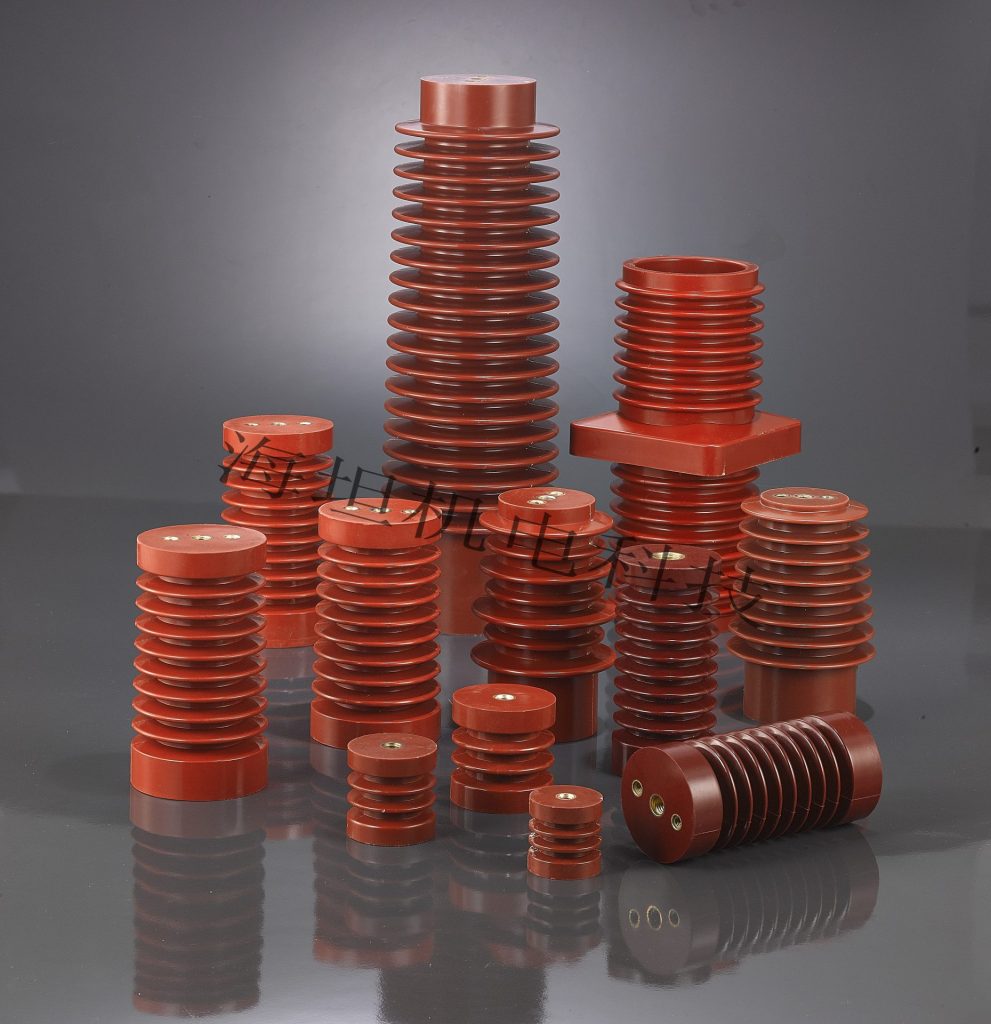
Innovations in Hex Round Insulator Materials for Water Resistance and Electrical Safety
Блог | Отдел новостей | Мар 20,2026
Введение
As electrical distribution systems evolve, the demand for reliable, safe, and durable insulation components continues to grow. Hex round insulators, particularly in busbar systems, are critical for maintaining electrical safety and preventing failures caused by moisture, contamination, or mechanical stress. Recent innovations in insulator materials have significantly improved water resistance, mechanical strength, and overall electrical safety.
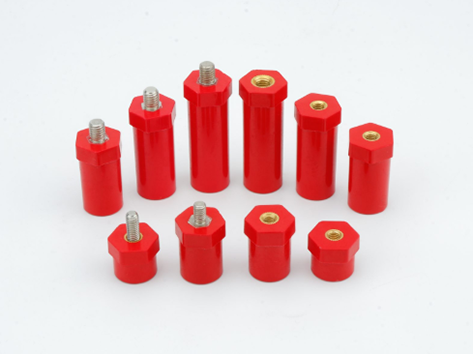
Advanced Dielectric Composite Materials (DMC)
Dielectric composite materials (DMC) have become a standard for high-performance hex round insulators. Recent innovations include:
Enhanced Fiber Reinforcement: Adding glass, carbon, or aramid fibers to resin matrices increases mechanical strength and resistance to bending or cracking.
Optimized Resin Formulations: Modern resins offer improved thermal stability, UV resistance, and reduced water absorption, enhancing durability in harsh environments.
Lightweight and Compact Designs: High-strength DMC allows insulators to be smaller while supporting the same busbar load, which is critical for compact switchgear layouts.
These advancements ensure that insulators maintain electrical and mechanical performance even under high humidity or outdoor exposure.
Hydrophobic and Water-Repellent Coatings
Surface engineering has played a key role in improving the water resistance of hex round insulators:
Hydrophobic Coatings: Specialized coatings repel water, preventing surface wetting that can lead to leakage currents or flashovers.
Self-Cleaning Properties: Some coatings allow water to carry away dust and contaminants, reducing maintenance frequency and maintaining high insulation reliability.
Enhanced Pollution Resistance: Coatings improve performance in industrial environments where dust, chemicals, or salt exposure can compromise insulation.
By combining material selection with surface treatments, modern insulators achieve superior protection against environmental factors.
High-Performance Epoxy and Resin Composites
Beyond traditional DMC, new epoxy and resin composites are being used to improve both water resistance and electrical safety:
Thermal and Electrical Stability: These materials resist degradation under high temperature or electrical stress, ensuring long-term reliability.
Chemical Resistance: Exposure to industrial chemicals or acidic environments no longer significantly affects insulator performance.
Mechanical Robustness: Reinforced resins provide superior load-bearing capacity, ideal for heavy busbar applications in compact cabinets or outdoor installations.
Smart Material Integration for Monitoring
The latest innovations are moving beyond static materials toward “smart” insulators:
Embedded Sensors: Some insulators integrate sensors to monitor temperature, moisture, or leakage current in real-time.
Predictive Maintenance: Data collected allows operators to detect early signs of insulation failure, reducing downtime and improving system safety.
Adaptive Design: Smart materials may adjust to environmental changes, enhancing water repellency or insulating performance when needed.
These innovations bring a new dimension to electrical safety, combining material science with IoT and predictive maintenance technologies.
Benefits for Electrical Distribution Systems
Adopting modern hex round insulator materials provides several key advantages:
Enhanced Water Resistance: Maintains insulation even in high-humidity or outdoor environments.
Improved Electrical Safety: Reduces the risk of leakage currents, flashover, or short circuits.
Long-Term Reliability: Materials resist thermal, chemical, and mechanical degradation, lowering maintenance costs.
Flexibility in Design: Compact and high-strength materials enable installation in tight cabinets and dense busbar layouts.
Заключение
Innovations in hex round insulator materials are transforming the way electrical engineers design and maintain busbar systems. By leveraging advanced DMC composites, hydrophobic coatings, high-performance epoxy and resin materials, and even smart monitoring capabilities, modern insulators provide superior water resistance, mechanical strength, and electrical safety. These advancements not only enhance system reliability but also reduce maintenance needs and improve operational efficiency, making them indispensable in today’s demanding electrical environments.
Часто задаваемые вопросы
Q1: What are hex round insulators, and why are they important?
A: Hex round insulators are busbar insulation components designed with a hexagonal or round shape, providing mechanical strength and electrical insulation. They are critical for preventing leakage currents, flashover, and short circuits in electrical distribution systems.
Q2: How have insulator materials improved water resistance?
A: Modern insulators use high-performance dielectric composite materials (DMC), reinforced resins, and hydrophobic coatings. These innovations prevent moisture absorption, reduce surface wetting, and maintain insulation integrity even in high-humidity or outdoor environments.
Q3: What is the role of fiber-reinforced composites in insulators?
A: Reinforcing resin matrices with glass, carbon, or aramid fibers significantly increases mechanical strength, resistance to bending or cracking, and durability under thermal and electrical stress, allowing for smaller, more compact insulators.
Q4: How do surface treatments enhance insulator performance?
A: Hydrophobic or water-repellent coatings prevent water accumulation, reduce leakage currents, repel dust and contaminants, and enhance pollution resistance, thereby extending service life and reducing maintenance frequency.
Q5: Are there smart materials used in modern hex round insulators?
A: Yes. Some innovative insulators integrate sensors for temperature, moisture, or leakage current monitoring, enabling predictive maintenance and real-time performance tracking, improving system safety and reliability.
Q6: How do these material innovations benefit electrical distribution systems?
A: Benefits include:
Enhanced water resistance for outdoor or humid applications
Improved electrical safety and reduced risk of failures
Long-term reliability with lower maintenance requirements
Flexibility for compact busbar layouts in modern switchgear
Q7: Can these insulators withstand harsh industrial environments?
A: Yes. Advanced materials and coatings are designed to resist chemical exposure, UV radiation, thermal stress, and mechanical load, ensuring consistent performance in challenging environments.
Q8: How do I select the right insulator material for my application?
A: Consider environmental conditions (moisture, temperature, pollution), electrical requirements (voltage, creepage distance), mechanical load, and any need for smart monitoring. Consult manufacturer specifications to match material properties with system demands.
--- КОНЕЦ ---
 Электронная почта: [email protected]
 № 20 Линюнь Роуд, Дунфэн
Промышленная зона, город Люши, Юэцин
Город, провинция Чжэцзян


© Copyright 2024 China Haitan Electromechanical Technology Co., Ltd. Все права защищены.ПОДДЕРЖКА: JUNJ политика конфиденциальности
 Russian
  English (United States)
  English (South Africa)
  Arabic
  Belarusian
  Bengali
  Japanese
  Kazakh
  Korean
  Myanmar
  Thai
Thai  Ukrainian
  Uzbek
Uzbek  Vietnamese
  Chinese