
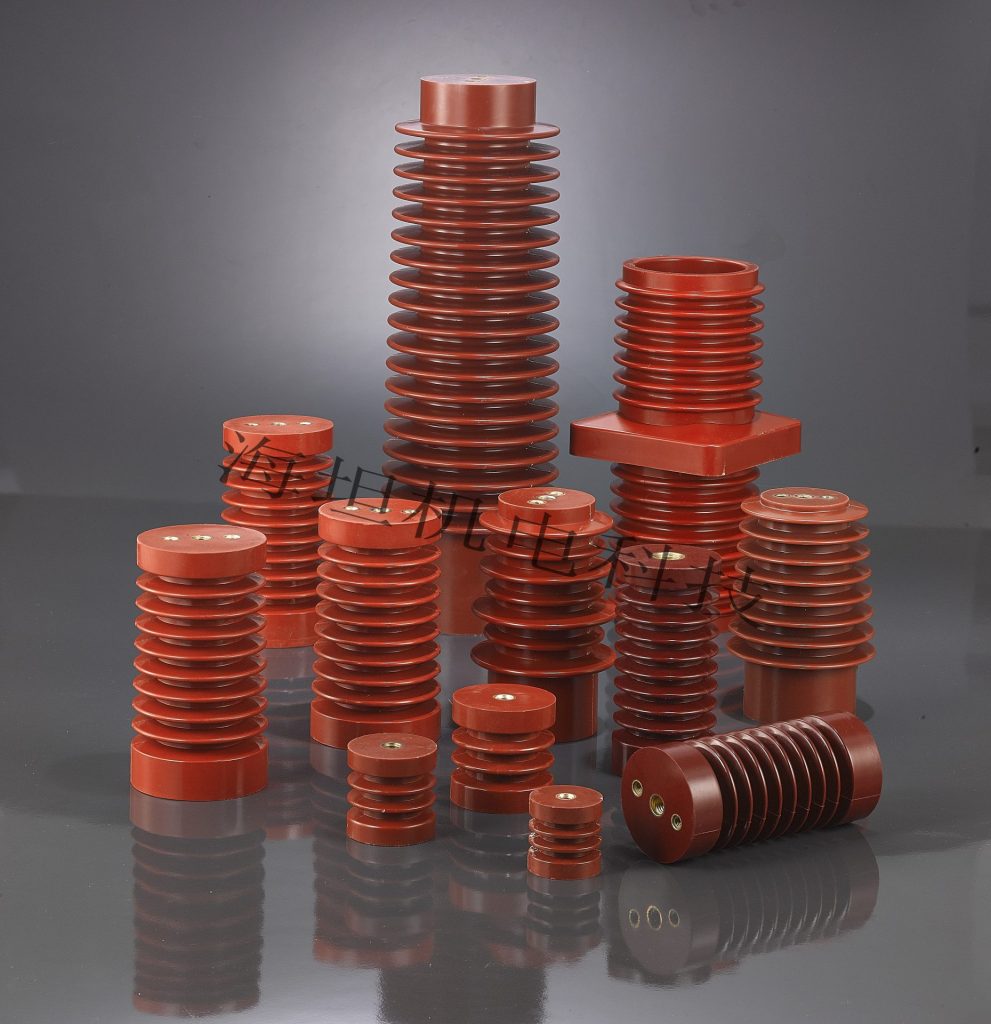
EN Insulator Explained: Role in Electrical Panels and Power Distribution Systems
บล็อก | ห้องข่าว | ก.พ. 04,2026
การแนะนำ
In electrical panels and power distribution systems, insulation components are essential for ensuring operational safety, mechanical stability, and long-term reliability. Among these components, EN insulators are widely used due to their balanced performance, structural adaptability, and suitability for modern distribution equipment.
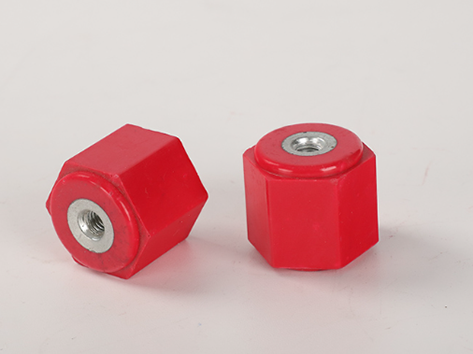
What Is an EN Insulator?
หนึ่ง EN insulator is a molded electrical insulation component designed to support and isolate live conductive parts such as busbars, terminals, and connectors within electrical panels. It provides both ฉนวนไฟฟ้า และ mechanical support, maintaining safe clearance distances and preventing unintended electrical contact.
EN insulators are commonly used in low-voltage and medium-voltage applications, especially in distribution cabinets and switchgear assemblies where compact layout and reliability are required.
Core Functions of EN Insulators
Electrical Insulation
EN insulators prevent current leakage and short circuits by separating live components from grounded structures or adjacent phases. Their dielectric performance ensures stable operation under rated voltage conditions.
การสนับสนุนทางกล
In addition to insulation, EN insulators act as structural supports, holding conductors and busbars firmly in position. This is critical for maintaining alignment under mechanical loads, vibration, and thermal expansion.
Safety and Clearance Control
EN insulators help maintain standardized air and creepage distances inside panels, reducing the risk of electrical breakdown and improving overall system safety.
Role of EN Insulators in Electrical Panels
Supporting Busbar Systems
In electrical panels, EN insulators are commonly used to support horizontal or vertical busbars. They ensure precise positioning, reduce mechanical stress on conductors, and withstand forces generated during short-circuit events.
Improving Installation Efficiency
Standardized EN insulator designs allow for faster and more accurate installation. Their compatibility with common mounting methods simplifies panel assembly and reduces wiring errors.
Enhancing Panel Reliability
By providing stable insulation and support, EN insulators help minimize component movement and wear over time, contributing to the long-term reliability of electrical panels.
Role of EN Insulators in Power Distribution Systems
Use in Distribution Cabinets and Switchgear
EN insulators are widely applied in distribution cabinets and switchgear systems, where they support power distribution conductors and ensure safe phase separation.
Adaptation to Compact and Modular Designs
As power distribution systems evolve toward compact and modular structures, EN insulators offer design flexibility. Their optimized size and geometry allow efficient use of limited space without compromising safety.
Contribution to Operational Safety
EN insulators enhance operational safety by clearly separating live parts and reducing the likelihood of accidental contact during installation, inspection, or maintenance.
Key Advantages of EN Insulators
Reliable electrical insulation performance
Strong mechanical load-bearing capacity
Compatibility with compact panel designs
Ease of installation and standardization
Long service life under normal operating conditions
Selection Considerations for EN Insulators
When selecting EN insulators for electrical panels or distribution systems, engineers should evaluate:
Rated voltage and insulation requirements
Mechanical load and short-circuit strength
Mounting method and panel structure
Environmental and operating conditions
Proper selection ensures system safety and consistent performance throughout the equipment lifecycle.
บทสรุป
EN insulators play a critical role in electrical panels and power distribution systems by providing essential insulation and mechanical support for live components. Their reliable performance, structural stability, and adaptability make them an important element in modern power distribution equipment.
As electrical systems continue to demand higher efficiency and compact design, EN insulators will remain a key solution for achieving safe, reliable, and well-organized power distribution.
FAQ:
Q1: What is the primary role of an EN insulator in electrical panels?
The primary role of an EN insulator is to provide electrical insulation and mechanical support for live components such as busbars and terminals. It helps maintain safe clearances, prevents short circuits, and ensures stable positioning of conductors within the panel.
Q2: In which types of power distribution systems are EN insulators commonly used?
EN insulators are commonly used in low-voltage and medium-voltage distribution systems, including distribution cabinets, switchgear, control panels, and busbar assemblies.
Q3: How do EN insulators contribute to panel safety?
EN insulators improve safety by separating live parts from grounded structures and adjacent phases, maintaining required air and creepage distances, and reducing the risk of accidental contact during installation and maintenance.
Q4: Can EN insulators withstand mechanical stress and short-circuit forces?
Yes. EN insulators are designed to provide sufficient mechanical strength to withstand operational loads, vibration, and forces generated during short-circuit conditions, ensuring long-term stability of supported conductors.
Q5: Are EN insulators suitable for compact and high-density panel designs?
Yes. EN insulators are well-suited for compact and high-density electrical panels due to their optimized geometry and reliable insulation performance, allowing efficient use of limited internal space.
Q6: What factors should be considered when selecting an EN insulator?
Key factors include rated voltage, mechanical load capacity, short-circuit strength, mounting method, panel layout, and operating environment. Proper selection ensures safety, reliability, and long service life.
Q7: Can EN insulators be customized for specific applications?
Yes. EN insulators can be customized in terms of dimensions, mounting interfaces, and materials to meet specific panel design or system requirements, especially for OEM and project-based applications.
--- จบ ---
 อีเมล์: [email protected]
  เลขที่ 20 ถนนหลิงหยุน ตงเฟิง
เขตอุตสาหกรรม เมือง Liushi เมือง Yueqing
เมือง มณฑลเจ้อเจียง


วีแชท
© ลิขสิทธิ์ 2024 China Haitan Electromechanical Technology Co., Ltd. สงวนลิขสิทธิ์สนับสนุนโดย:มิถุนายน นโยบายความเป็นส่วนตัว
 Thai
Thai  English (United States)
  English (South Africa)
  Arabic
  Belarusian
  Bengali
  Japanese
  Kazakh
  Korean
  Myanmar
  Russian
  Ukrainian
  Uzbek
Uzbek  Vietnamese
  Chinese