
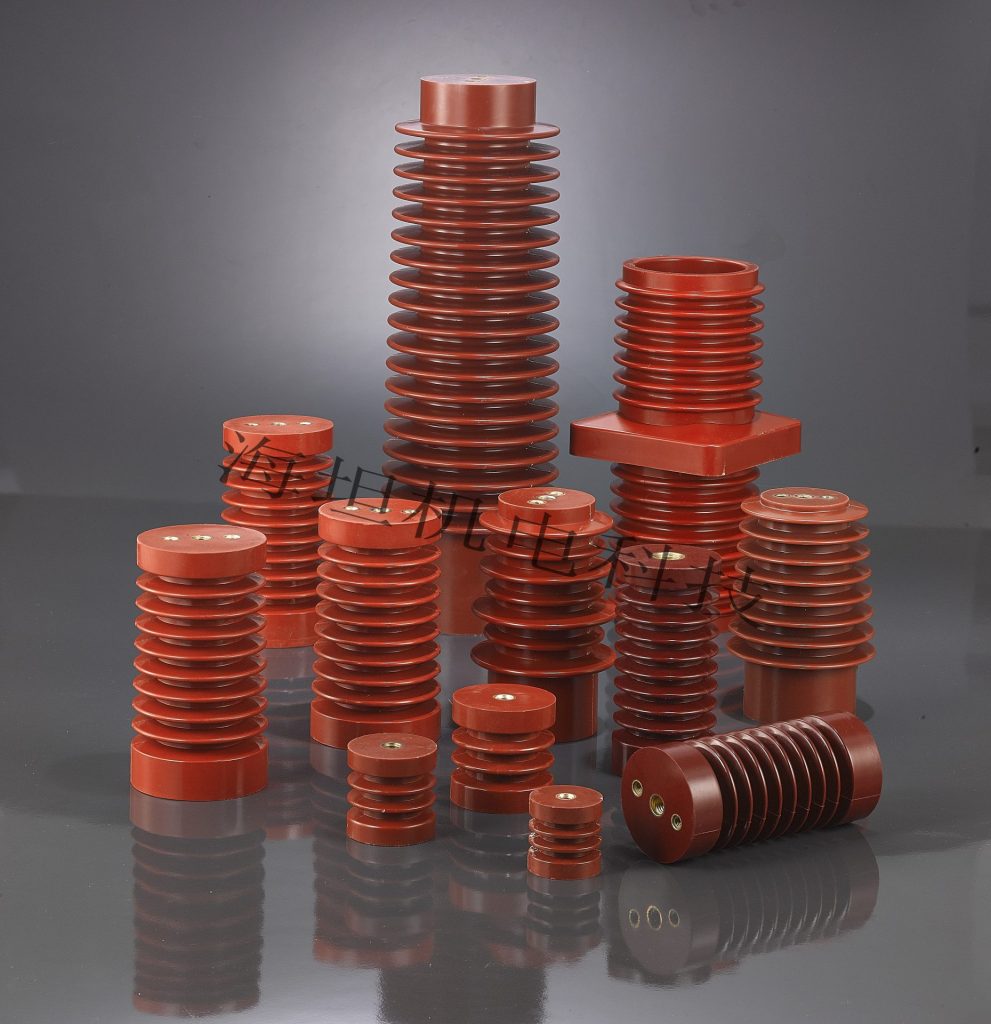
Preventive Maintenance Strategies for High Voltage Insulators
บล็อก | ห้องข่าว | พ.ค. 19,2026
การแนะนำ
High voltage insulators are critical components in electrical transmission and distribution systems. They provide electrical isolation, support conductors mechanically, and help maintain stable and safe power delivery. However, exposure to pollution, moisture, UV radiation, temperature fluctuations, and mechanical stress can gradually degrade insulator performance over time.
Without proper maintenance, insulator deterioration may lead to flashovers, power outages, equipment damage, and costly system failures. Preventive maintenance helps detect potential problems early, extend service life, and improve overall grid reliability.
Why Preventive Maintenance Is Important
High voltage insulators operate continuously under harsh environmental and electrical conditions. Even small defects can eventually develop into serious failures if left unnoticed.
Preventive maintenance provides several important benefits:
Reduces unexpected outages
Improves system reliability
Extends insulator lifespan
Minimizes maintenance costs
Enhances personnel safety
Prevents flashover incidents
Supports stable power transmission
Compared with emergency repairs, preventive maintenance is more cost-effective and significantly reduces operational downtime.
Common Causes of High Voltage Insulator Failure
Before developing a maintenance strategy, it is important to understand the most common causes of insulator problems.
Pollution Contamination
Dust, industrial pollution, salt deposits, and chemical particles accumulate on insulator surfaces over time. When combined with moisture, contamination can create conductive paths that increase leakage current and flashover risk.
Moisture and Humidity
Rain, fog, condensation, and high humidity reduce surface insulation performance and accelerate electrical tracking.
UV Aging
Long-term exposure to ultraviolet radiation can gradually degrade polymer materials and reduce hydrophobic performance.
Mechanical Stress
Wind load, conductor tension, vibration, seismic activity, and ice accumulation may create cracks or structural damage.
Thermal Cycling
Continuous heating and cooling cycles can weaken insulator materials and sealing components.
Corona and Electrical Discharge
High electric field stress may cause corona discharge, erosion, and insulation deterioration over time.
Key Preventive Maintenance Strategies
Regular Visual Inspection
Visual inspection is the most basic yet essential preventive maintenance method.
Inspection personnel should check for:
Cracks and fractures
Surface contamination
Burn marks
Discoloration
Corrosion on fittings
Loose hardware
Mechanical deformation
Signs of flashover
Routine visual inspections help identify early-stage defects before they become critical failures.
Inspection Frequency
The inspection schedule depends on environmental conditions and system importance.
Typical recommendations:
Clean environments: annually
Polluted or coastal areas: every 3–6 months
Critical infrastructure: more frequent inspections
Cleaning Insulator Surfaces
Contamination buildup is one of the leading causes of flashover incidents.
Common Cleaning Methods
Manual Cleaning
Workers clean insulators using cloths, brushes, or water during maintenance shutdowns.
Live-Line Washing
Specialized equipment allows insulators to be cleaned while energized, reducing downtime.
High-Pressure Water Cleaning
Deionized water is often used for heavily contaminated insulators.
Dry Cleaning Techniques
Compressed air or dry ice cleaning may be suitable in specific applications.
Regular cleaning is especially important in:
Coastal environments
Industrial zones
Desert regions
Areas with heavy airborne pollution
Leakage Current Monitoring
Leakage current is a key indicator of insulator condition.
As contamination and moisture increase, leakage current rises and may eventually lead to flashover.
Benefits of Leakage Current Monitoring
Early fault detection
Improved maintenance planning
Reduced unexpected failures
Better understanding of pollution severity
Modern monitoring systems can provide real-time leakage current analysis and remote diagnostics.
Infrared Thermal Inspection
Infrared thermography helps detect abnormal heating caused by:
Poor electrical connections
Internal defects
Surface discharge
Excessive leakage current
Thermal imaging allows maintenance teams to identify hidden problems without direct contact.
ข้อดี
Non-contact inspection
Fast diagnosis
Suitable for energized systems
Early detection of developing faults
Infrared inspections are widely used in substations and transmission networks.
Corona and Partial Discharge Detection
Corona discharge and partial discharge are early warning signs of insulation degradation.
Maintenance teams can use:
UV cameras
Ultrasonic detectors
Radio frequency monitoring devices
to identify electrical discharge activity before major failures occur.
ทำไมมันถึงสำคัญ
Long-term corona activity may cause:
Surface erosion
Material aging
Increased leakage current
Flashover risk
Early detection significantly improves reliability.
Mechanical Integrity Testing
Insulators must withstand continuous mechanical stress throughout their service life.
Routine testing should verify:
Tensile strength
Cantilever strength
Compression resistance
Hardware integrity
Mechanical inspections are especially important after:
Severe storms
Earthquakes
Heavy icing
Extreme wind events
Hydrophobicity Testing for Polymer Insulators
Polymer insulators rely on hydrophobic surfaces to resist moisture and contamination.
Over time, aging and environmental exposure may reduce hydrophobic performance.
Common Testing Methods
Spray method evaluation
Contact angle measurement
Surface classification tests
Maintaining good hydrophobicity helps reduce leakage current and contamination-related flashovers.
Implementing Smart Monitoring Systems
Modern power systems increasingly use smart monitoring technologies for predictive maintenance.
Smart Monitoring Features
Real-time condition monitoring
Remote diagnostics
AI-based fault prediction
Environmental data analysis
Automated maintenance alerts
These technologies help operators shift from reactive maintenance to predictive maintenance strategies.
Maintenance Strategies for Different Environments
Coastal Areas
Salt contamination is the primary challenge.
Recommended Actions
Frequent cleaning
Increased creepage distance
Polymer insulators with hydrophobic properties
Continuous leakage current monitoring
Industrial Areas
Chemical pollution and dust accumulation require enhanced maintenance.
Recommended Actions
Regular contamination inspections
Anti-pollution coatings
Infrared inspections
Corona monitoring
Cold Climate Regions
Ice accumulation increases mechanical and electrical stress.
Recommended Actions
Ice-resistant insulator designs
Mechanical load inspections
Winter maintenance planning
Desert Environments
Sand, dust, and extreme UV exposure accelerate aging.
Recommended Actions
UV-resistant materials
Frequent surface cleaning
Periodic hydrophobicity testing
Best Practices for Effective Preventive Maintenance
Establish a Maintenance Schedule
Create maintenance intervals based on:
Environmental conditions
ระดับแรงดันไฟฟ้า
Equipment criticality
Historical failure data
Maintain Detailed Inspection Records
Accurate maintenance records help identify long-term trends and recurring issues.
Documentation should include:
Inspection dates
Cleaning history
Leakage current data
Thermal imaging results
Replacement history
Train Maintenance Personnel
Well-trained technicians are essential for accurate diagnosis and safe maintenance operations.
Training should include:
Inspection procedures
Safety protocols
Diagnostic equipment usage
Fault identification
Use High-Quality Insulators
Preventive maintenance begins with selecting reliable, certified insulators designed for the operating environment.
Products compliant with IEC, ANSI, and ISO standards generally offer better long-term reliability.
Future Trends in Insulator Maintenance
The future of preventive maintenance is becoming increasingly intelligent and data-driven.
Emerging technologies include:
AI-based predictive analytics
Drone inspection systems
IoT-enabled monitoring sensors
Automated fault detection
Digital twin technology for power systems
These innovations help utilities improve efficiency while reducing maintenance costs and downtime.
บทสรุป
Preventive maintenance is essential for ensuring the long-term reliability and safety of ฉนวนไฟฟ้าแรงสูง. Regular inspections, cleaning, leakage current monitoring, thermal imaging, and smart diagnostic technologies all play important roles in reducing failures and extending service life.
By implementing effective maintenance strategies tailored to environmental conditions and operational requirements, utilities and industrial operators can significantly improve system stability while lowering overall maintenance costs.
As power systems continue evolving toward smarter and more complex networks, preventive maintenance will remain a key factor in achieving reliable and efficient electrical infrastructure.
คำถามที่พบบ่อย
Why do high voltage insulators require regular maintenance?
Environmental contamination, moisture, UV exposure, and electrical stress gradually degrade insulator performance over time. Regular maintenance helps prevent unexpected failures.
What is the most common cause of insulator flashover?
Surface contamination combined with moisture is one of the leading causes of flashover incidents.
How often should high voltage insulators be inspected?
Inspection frequency depends on environmental conditions and system importance. Polluted or coastal areas generally require more frequent inspections.
What is leakage current monitoring?
Leakage current monitoring measures small currents flowing along the insulator surface, helping detect contamination and insulation degradation early.
Why are polymer insulators popular in preventive maintenance programs?
Polymer insulators offer excellent hydrophobic properties, lightweight construction, and strong pollution resistance, reducing maintenance requirements in many environments.
--- จบ ---
 อีเมล์: [email protected]
  เลขที่ 20 ถนนหลิงหยุน ตงเฟิง
เขตอุตสาหกรรม เมือง Liushi เมือง Yueqing
เมือง มณฑลเจ้อเจียง


วีแชท
© ลิขสิทธิ์ 2024 China Haitan Electromechanical Technology Co., Ltd. สงวนลิขสิทธิ์สนับสนุนโดย:มิถุนายน นโยบายความเป็นส่วนตัว
 Thai
Thai  English (United States)
  English (South Africa)
  Arabic
  Belarusian
  Bengali
  Japanese
  Kazakh
  Korean
  Myanmar
  Russian
  Ukrainian
  Uzbek
Uzbek  Vietnamese
  Chinese