
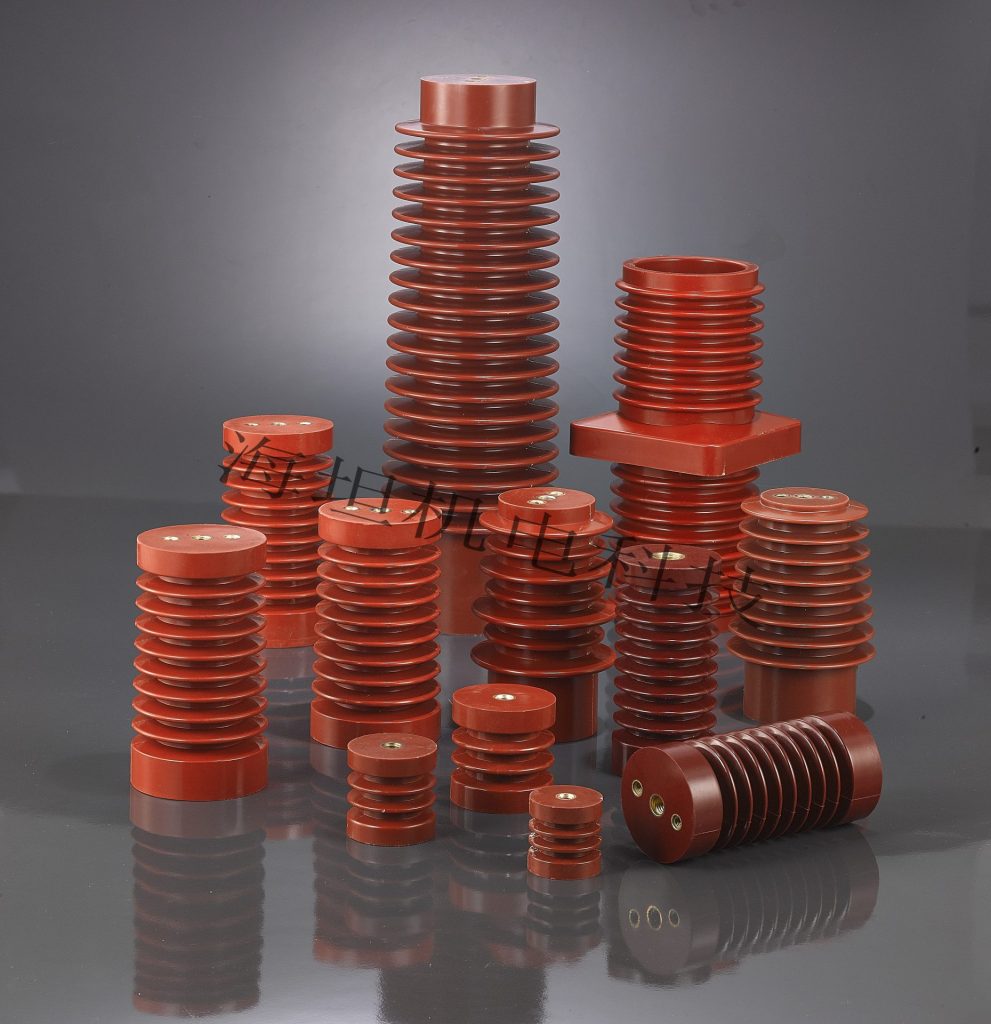
Safe Insulation Protects Electricity — Building an Insulating Barrier for Power Safety
บล็อก | ห้องข่าว | ธ.ค. 04,2025
In modern electrical systems, insulation is far more than just “covering a wire with plastic.” Efficient, safe, and reliable insulation — especially in low-voltage distribution systems, energy storage cabinets, communication panels, and renewable energy equipment — forms the foundation of system stability, preventing electrical faults and protecting both equipment and personnel. In this article, we will explore why insulating barriers are critical for electrical safety and introduce the เอสบี อินซูเลเตอร์ series as a practical example of a high-performance insulation solution.
Why Electrical Systems Need Insulating Barriers
Prevent Current Leakage and Short Circuits
If a live conductor comes into contact with grounded parts or other conductors at different potentials, it can cause leakage currents, short circuits, arcing, or even fires. Insulators act as barriers, preventing electricity from following unintended paths.
Protect Equipment and Personnel
Accidental contact with live components can result in serious electric shock. Insulators provide both physical and electrical separation, ensuring safety for operators and end users.
Ensure System Stability and Longevity
High-quality insulators need not only electrical insulation but also mechanical strength, heat resistance, and protection against moisture and corrosion. Failures in insulation can lead to unstable systems, frequent malfunctions, and shortened equipment life.
Adapt to Complex Applications
Modern energy storage, renewable energy, charging stations, and communication cabinets often have dense wiring and limited space. Insulators must maintain safe distances and reliable support even in confined layouts.
Thus, professional insulating barriers combined with structural support are essential for safe and reliable electrical systems.
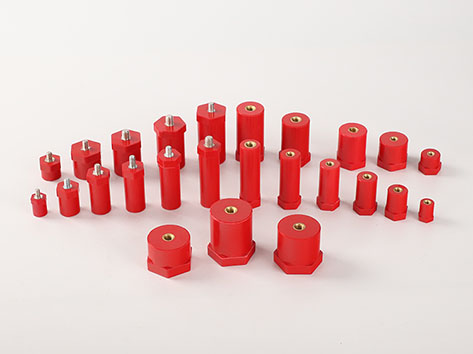
SB Insulators: A Reliable Insulation Solution
Haitan’s เอสบี อินซูเลเตอร์ series exemplifies high-performance insulation designed for modern low-voltage systems. Key features include:
High-Quality Composite Materials (BMC/SMC)
เอสบี อินซูเลเตอร์ are made from BMC/SMC composites with excellent dielectric strength, thermal stability, and corrosion resistance.
High Strength with Compact Size
Compared to traditional bulky insulators, SB Insulators offer compact designs with strong mechanical support, making them ideal for distribution panels, switchgear, inverters, communication cabinets, and charging station cabinets.
Electrical Isolation and Mechanical Support
SB Insulators not only electrically separate live busbars from cabinet frames to prevent short circuits and arcing, but also provide structural support to prevent movement caused by vibration, handling, or thermal expansion.
Versatile Applications
The SB series is widely used in distribution cabinets, switchgear, green power cabinets, EV charging cabinets, renewable energy and energy storage systems, meeting high safety and space-efficiency requirements.
การปฏิบัติตามมาตรฐานอุตสาหกรรม
SB Insulators meet UL, RoHS, CE, and ISO certifications, ensuring global safety compliance and suitability for international projects.
เอสบี อินซูเลเตอร์ are more than simple plastic supports — they are engineered solutions combining safety insulation with structural stability.
The Importance of Insulating Barriers
High-quality insulation is not just about preventing electric shock or short circuits. Its benefits include:
Reduced Electrical Faults and Maintenance Costs: Lower failure rates mean fewer outages and reduced repair/replacement needs.
Extended Equipment Lifespan: Prevents damage from arcing, overheating, moisture, or corrosion.
Improved System Stability and Reliability: Crucial for communication panels, energy storage systems, and charging stations.
Space and Cost Efficiency: Compact, high-strength insulators allow tighter designs, reducing material usage and cabinet size.
Regulatory Compliance and Export Readiness: Certified insulators are easier to use in global markets.
Recommendations for Engineers and Designers
When designing distribution panels, EV charging cabinets, energy storage boxes, or communication cabinets:
Treat insulators as a fundamental part of system design — consider electrical safety, structural integrity, and spatial layout.
Prioritize composite materials with high dielectric strength and relevant certifications (UL/RoHS/CE/ISO) for long-term reliability.
Evaluate voltage levels, environmental conditions (humidity, temperature, vibration), space constraints, current capacity, and maintenance access when selecting insulators.
For international projects, confirm supplier credentials and certifications.
Consider insulation, support, and separation as an integrated design concept rather than an afterthought.
คำถามที่พบบ่อย
Q1: What is the primary purpose of an SB Insulator?
A: The SB Insulator is designed to provide electrical isolation between live conductors and the cabinet frame or other conductive parts, preventing short circuits, arcing, and electric shock. It also offers mechanical support for busbars and wiring.
Q2: What materials are SB Insulators made of?
A: SB Insulators are made of high-quality composite materials such as BMC (Bulk Molding Compound) or SMC (Sheet Molding Compound), which offer excellent dielectric strength, thermal resistance, and corrosion resistance.
Q3: Where can SB Insulators be used?
A: They are suitable for low-voltage applications in distribution panels, switchgear, communication cabinets, energy storage systems, and EV charging stations — essentially any system that requires safe electrical insulation and structural support.
Q4: How do SB Insulators improve system reliability?
A: By preventing unintended electrical paths and providing mechanical stability, SB Insulators reduce the risk of short circuits, arcing, and damage from vibration or thermal expansion. This helps extend equipment life and reduces maintenance needs.
Q5: Are SB Insulators certified for safety and quality standards?
A: Yes. SB Insulators comply with international certifications including UL, RoHS, CE, and ISO standards, ensuring they meet safety, environmental, and reliability requirements for global projects.
Q6: How do I choose the right SB Insulator for my application?
A: Consider factors such as voltage level, current load, cabinet layout, environmental conditions (temperature, humidity), and mechanical requirements. Ensure that the selected insulator meets applicable certifications and fits the physical space of your system.
Q7: Can SB Insulators be used outdoors or in harsh environments?
A: Yes. Thanks to their composite material construction and high resistance to moisture, corrosion, and temperature fluctuations, SB Insulators can be used in demanding indoor and outdoor environments, though always check the specific product’s rated specifications.
บทสรุป
In today’s electrified, intelligent, and renewable-driven world, system safety, stability, compactness, and efficiency require more than “just electricity.” Safety must be engineered into the core components — the insulating barriers. เอสบี อินซูเลเตอร์, designed for modern low-voltage systems, provide reliable electrical isolation, mechanical support, and compliance with industry standards, making them essential for distribution cabinets, communication panels, energy storage systems, and EV charging equipment.
--- จบ ---
 อีเมล์: [email protected]
  เลขที่ 20 ถนนหลิงหยุน ตงเฟิง
เขตอุตสาหกรรม เมือง Liushi เมือง Yueqing
เมือง มณฑลเจ้อเจียง


วีแชท
© ลิขสิทธิ์ 2024 China Haitan Electromechanical Technology Co., Ltd. สงวนลิขสิทธิ์สนับสนุนโดย:มิถุนายน นโยบายความเป็นส่วนตัว
 Thai
Thai  English (United States)
  English (South Africa)
  Arabic
  Belarusian
  Bengali
  Japanese
  Kazakh
  Korean
  Myanmar
  Russian
  Ukrainian
  Uzbek
Uzbek  Vietnamese
  Chinese