
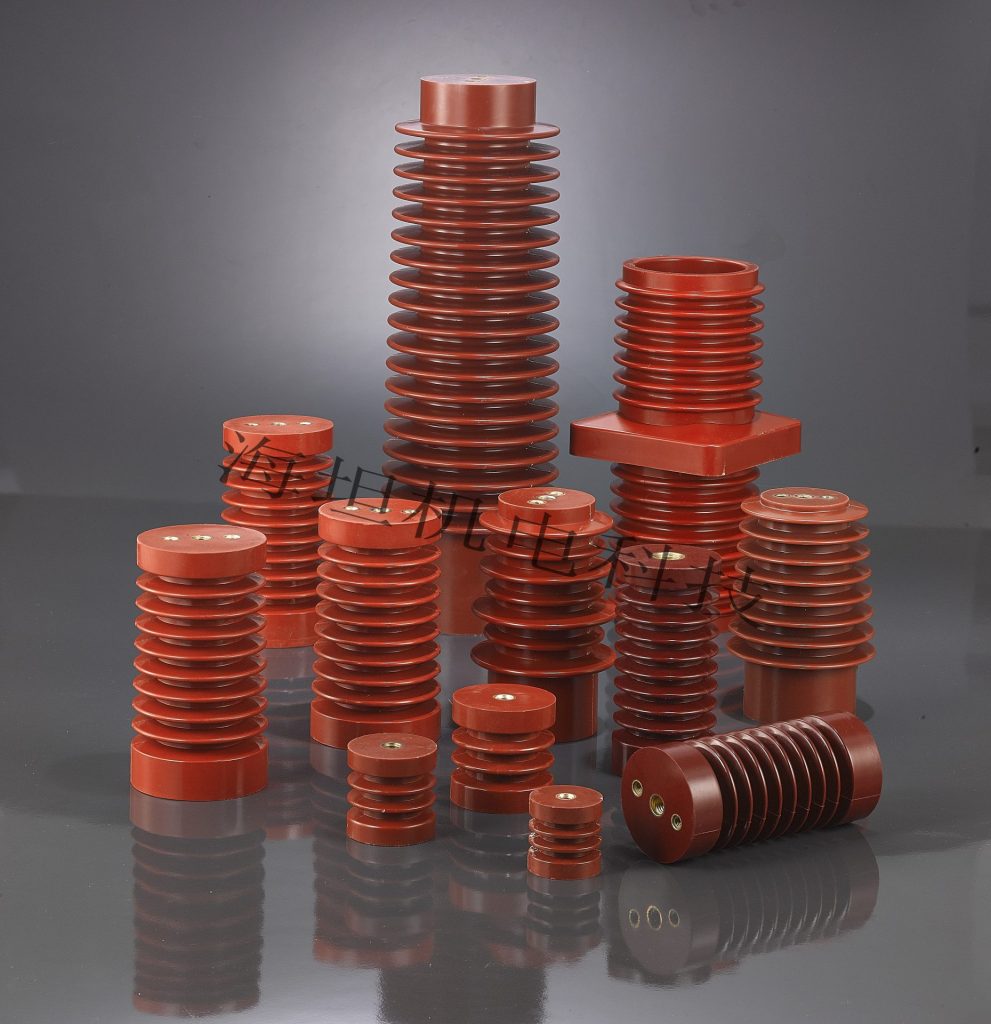
What Is a Hexagon Busbar Support Insulator Wire Holder for Low Voltage Systems?
บล็อก | ห้องข่าว | มี.ค. 10,2026
การแนะนำ
In modern electrical distribution equipment, ensuring proper insulation and mechanical support for conductive components is essential for safe and stable operation. One important component used in low-voltage systems is the hexagon busbar support insulator wire holder.
This specialized insulating device is designed to support, fix, and electrically isolate busbars or wires inside switchgear, distribution panels, and industrial control cabinets. Thanks to its strong insulating materials and practical hexagonal structure, it plays a key role in maintaining electrical safety and system reliability.
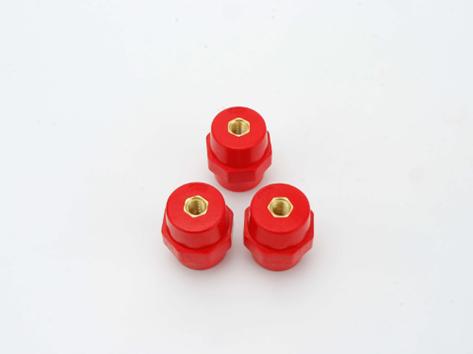
Understanding Hexagon Busbar Support Insulators
อัน hexagon busbar support insulator wire holder is a structural insulating component used to mount and secure busbars or electrical conductors while keeping them insulated from the metal enclosure and other conductive parts.
The device typically consists of:
Hexagonal insulating body
Metal threaded inserts or studs
Mounting bolts
Connection points for busbars or wires
The hexagonal design allows installers to easily tighten or adjust the insulator using standard tools such as wrenches, ensuring a firm installation.
Key Functions in Low Voltage Systems
Hexagon busbar support insulators perform several critical functions in electrical systems operating at low voltage levels.
Electrical Insulation
The primary purpose of the insulator is to prevent electrical conduction between the busbar and the mounting structure. By maintaining safe electrical separation, it reduces the risk of short circuits or leakage currents.
การสนับสนุนทางกล
Busbars and heavy conductors require stable mechanical support. These insulators are designed to carry mechanical loads and maintain the position of busbars, even under vibration or thermal expansion.
Maintaining Safe Clearance
Electrical safety standards require minimum distances between conductive parts. Busbar support insulators help maintain the correct creepage distance and clearance, ensuring compliance with safety regulations.
Wire and Busbar Organization
When used as wire holders, they help organize conductors inside electrical cabinets, keeping wiring neat and preventing contact between different circuits.
Materials Used in Busbar Support Insulators
Most hexagon busbar support insulators are manufactured from DMC (แป้งปั้นผสม) or BMC insulation materials, which are thermosetting composite materials reinforced with glass fiber.
These materials offer several advantages:
High dielectric strength
Excellent mechanical strength
Heat resistance
สารหน่วงไฟ
Moisture and chemical resistance
Because of these properties, DMC and BMC insulators are widely used in low-voltage electrical equipment and power distribution systems.
Key Technical Characteristics
Hexagon busbar support insulators typically feature the following performance characteristics:
High dielectric strength for reliable insulation
Strong mechanical load capacity to support heavy busbars
Operating temperature range typically from –40°C to 130°C
Flame retardant properties that meet electrical safety requirements
Resistance to moisture and environmental aging
These characteristics ensure that the insulators perform reliably in demanding industrial environments.
การใช้งานทั่วไป
Hexagon busbar support insulator wire holders are widely used in various electrical installations, especially in low-voltage power systems.
Switchgear and Distribution Cabinets
They support copper or aluminum busbars inside low-voltage switchgear assemblies and distribution boards.
Industrial Control Panels
In control cabinets, they help fix wires and busbars while maintaining insulation between electrical components.
Power Distribution Systems
They are used in electrical panels, motor control centers, and power distribution units to ensure safe conductor routing.
Renewable Energy Equipment
Solar power distribution boxes and energy storage systems also rely on busbar support insulators for stable electrical insulation.
Advantages of the Hexagonal Design
Compared with traditional cylindrical insulators, hexagon busbar support insulators offer several practical advantages:
Easier tightening using standard wrenches
Improved resistance to rotation during installation
Better mechanical stability under load
More convenient installation in compact electrical panels
These features simplify installation and improve the reliability of the mounting system.
บทสรุป
อัน hexagon busbar support insulator wire holder for low-voltage systems is a crucial component in electrical distribution equipment. It provides both mechanical support and electrical insulation for busbars and conductors, helping maintain safe spacing and reliable operation inside electrical panels.
With their durable insulating materials, strong mechanical performance, and practical hexagonal structure, these insulators are widely used in switchgear, control cabinets, and modern power distribution systems. As electrical equipment continues to evolve toward higher efficiency and compact designs, high-quality busbar support insulators remain essential for ensuring safety and long-term reliability.
คำถามที่พบบ่อย
1. What is the main purpose of a hexagon busbar support insulator?
A hexagon busbar support insulator is used to securely support and electrically isolate busbars or conductors inside low-voltage electrical equipment. It prevents direct contact between conductive components and the metal structure of the panel, reducing the risk of short circuits and electrical faults.
In addition to insulation, it also provides mechanical support to maintain the correct position of busbars in switchgear, distribution boards, and control cabinets.
2. Why is the hexagonal design used for busbar support insulators?
The hexagonal shape offers several installation advantages. It allows technicians to tighten or adjust the insulator easily using standard tools such as wrenches.
Compared with cylindrical designs, hexagonal insulators also provide:
Better torque resistance during installation
More stable mounting
Easier handling in confined electrical cabinets
This design improves both installation efficiency and structural stability.
3. What materials are commonly used for hexagon busbar support insulators?
Most hexagon busbar support insulators are made from DMC (แป้งปั้นผสม) หรือ BMC (สารประกอบการขึ้นรูปจำนวนมาก) materials. These thermosetting composite materials are reinforced with glass fiber and provide excellent performance for electrical insulation.
Key material advantages include:
High dielectric strength
Strong mechanical load capacity
สารหน่วงไฟ
Heat resistance
Moisture and chemical resistance
These properties make them suitable for demanding industrial electrical environments.
4. Where are hexagon busbar support insulators commonly used?
Hexagon busbar support insulators are widely used in low-voltage power distribution systems. Typical applications include:
สวิตช์เกียร์แรงดันต่ำ
Electrical distribution panels
Industrial control cabinets
Motor control centers (MCC)
Renewable energy distribution boxes
They help ensure safe conductor spacing and stable busbar installation in these systems.
5. How do busbar support insulators improve electrical safety?
Busbar support insulators improve electrical safety by maintaining the required clearance and creepage distance between conductive parts. This prevents electrical tracking, short circuits, and accidental contact.
By securely supporting busbars and wires, they also reduce the risk of mechanical vibration, conductor movement, or insulation failure, which could lead to system faults.
6. How do you choose the right busbar support insulator?
When selecting a hexagon busbar support insulator, engineers should consider several factors:
Rated voltage of the electrical system
Mechanical load capacity
Insulation material performance
Creepage distance requirements
Mounting thread size and insulator height
Choosing the correct specification ensures reliable insulation and long-term durability.
--- จบ ---
 อีเมล์: [email protected]
  เลขที่ 20 ถนนหลิงหยุน ตงเฟิง
เขตอุตสาหกรรม เมือง Liushi เมือง Yueqing
เมือง มณฑลเจ้อเจียง


วีแชท
© ลิขสิทธิ์ 2024 China Haitan Electromechanical Technology Co., Ltd. สงวนลิขสิทธิ์สนับสนุนโดย:มิถุนายน นโยบายความเป็นส่วนตัว
 Thai
Thai  English (United States)
  English (South Africa)
  Arabic
  Belarusian
  Bengali
  Japanese
  Kazakh
  Korean
  Myanmar
  Russian
  Ukrainian
  Uzbek
Uzbek  Vietnamese
  Chinese