
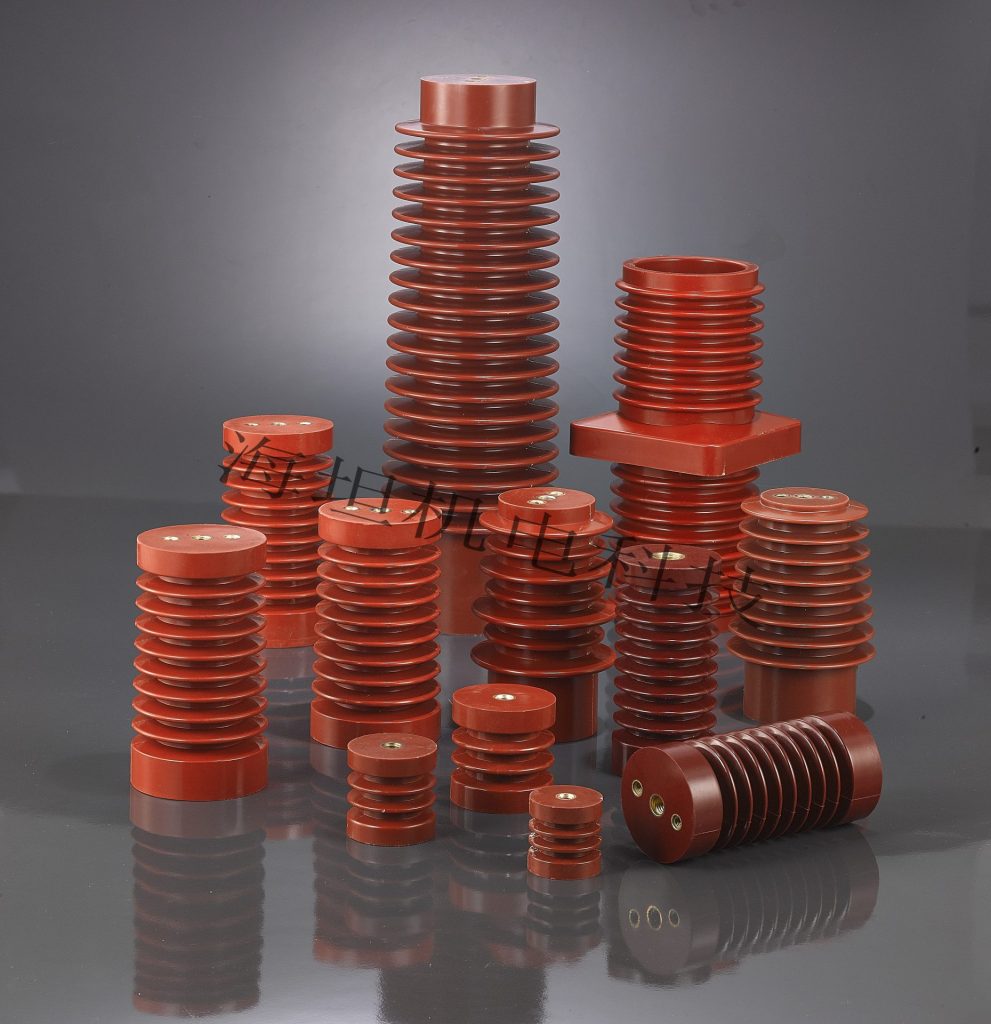
Why SE Insulators Are Essential for Safe and Reliable Electrical Systems
บล็อก | ห้องข่าว | ธ.ค. 04,2025
In today’s increasingly electrified world, the safety and reliability of electrical systems are paramount. From residential distribution panels to industrial automation, communication infrastructure, and renewable energy systems, ensuring that electrical currents flow safely is critical. One of the key components that make this possible is the เอสอี อินซูเลเตอร์. This article explores why SE Insulators are indispensable, their key features, applications, and the benefits they provide to electrical systems.
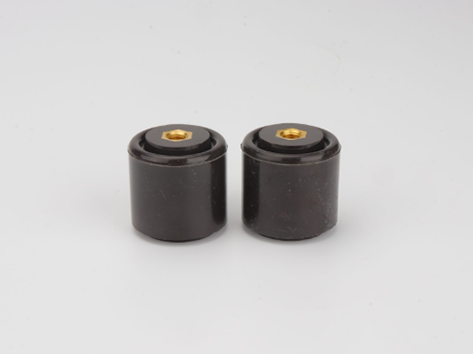
Understanding SE Insulators
หนึ่ง เอสอี อินซูเลเตอร์ is a high-performance component designed to provide ฉนวนไฟฟ้า และ mechanical support in electrical systems. Its primary purpose is to separate live conductors from grounded surfaces or other conductive parts, preventing short circuits, electrical arcing, and potential damage to equipment. Additionally, SE Insulators stabilize and support conductors, busbars, and other components within electrical panels or enclosures.
Key Reasons SE Insulators Are Essential
Ensuring Electrical Safety
Electrical safety is the foremost concern in any system. SE Insulators prevent unintended electrical contact, reducing the risk of short circuits, electric shock, and arcing. In residential, commercial, and industrial settings, this protects both personnel and equipment.
Enhancing System Reliability
By providing stable support and effective isolation, SE Insulators minimize equipment failure and downtime. This contributes to the overall reliability of the electrical system, which is especially critical in industrial automation, data centers, and energy storage systems.
Withstanding Environmental and Mechanical Stress
SE Insulators are made from durable composite materials like BMC (Bulk Molding Compound) or SMC (Sheet Molding Compound). These materials are resistant to heat, moisture, corrosion, and mechanical stress, ensuring long-term performance even in harsh conditions.
Supporting Compact and Dense Layouts
Modern electrical systems often have space constraints. SE Insulators are designed with compact structures, allowing for safe insulation and mechanical support in densely packed panels, EV charging stations, renewable energy systems, and communication cabinets.
การปฏิบัติตามมาตรฐานอุตสาหกรรม
High-quality SE Insulators meet certifications such as UL, CE, RoHS, and ISO, ensuring they comply with international safety and environmental standards. This makes them suitable for global applications and export projects.
Applications of SE Insulators
SE Insulators are versatile components used in a wide range of electrical systems, including:
Distribution Panels and Switchgear
Prevent electrical contact between busbars and panel enclosures, ensuring safe operation.
Communication Cabinets and Data Centers
Provide reliable isolation and support for densely packed conductors, maintaining system performance.
Energy Storage and Renewable Energy Systems
Used in battery cabinets, solar inverters, and energy storage devices for safe and stable operation under harsh conditions.
EV Charging Stations
Protect live conductors in compact enclosures, ensuring safety and reliability for electric vehicle infrastructure.
Industrial and Automation Equipment
Secure live components in machinery, automation panels, and low-voltage systems.
Benefits of Using SE Insulators
Improved Safety: Prevents electric shock, arcing, and short circuits.
Higher System Reliability: Reduces downtime and maintenance requirements.
Space Efficiency: Compact design fits in dense layouts.
Long-Term Durability: Resistant to heat, moisture, corrosion, and mechanical stress.
Compliance with Standards: Meets international certifications for safety and environmental requirements.
FAQ: SE Insulators
Q1: What materials are SE Insulators made of?
A: Typically BMC or SMC composite materials, offering high dielectric strength, thermal resistance, and durability.
Q2: Can SE Insulators be used outdoors or in harsh environments?
A: Yes, they are designed to withstand moisture, heat, and corrosion, though specific product ratings should be checked.
Q3: How do SE Insulators enhance reliability?
A: They provide stable mechanical support and electrical isolation, preventing conductor movement, arcing, and short circuits.
Q4: Are SE Insulators suitable for high-density panels?
A: Yes, compact designs allow them to fit safely into dense electrical layouts like EV charging stations and communication cabinets.
Q5: What certifications should SE Insulators have?
A: Common certifications include UL, CE, RoHS, and ISO, ensuring safety, compliance, and suitability for global applications.
บทสรุป
SE Insulators are a critical component in modern electrical systems, providing both electrical isolation และ mechanical support. Their robust design, durability, and compliance with international standards make them essential for safe, reliable, and efficient operation in a wide range of applications — from distribution panels and industrial automation to renewable energy and EV charging infrastructure. Choosing high-quality SE Insulators ensures that electrical systems remain safe, reliable, and long-lasting.
--- จบ ---
 อีเมล์: [email protected]
  เลขที่ 20 ถนนหลิงหยุน ตงเฟิง
เขตอุตสาหกรรม เมือง Liushi เมือง Yueqing
เมือง มณฑลเจ้อเจียง


วีแชท
© ลิขสิทธิ์ 2024 China Haitan Electromechanical Technology Co., Ltd. สงวนลิขสิทธิ์สนับสนุนโดย:มิถุนายน นโยบายความเป็นส่วนตัว
 Thai
Thai  English (United States)
  English (South Africa)
  Arabic
  Belarusian
  Bengali
  Japanese
  Kazakh
  Korean
  Myanmar
  Russian
  Ukrainian
  Uzbek
Uzbek  Vietnamese
  Chinese