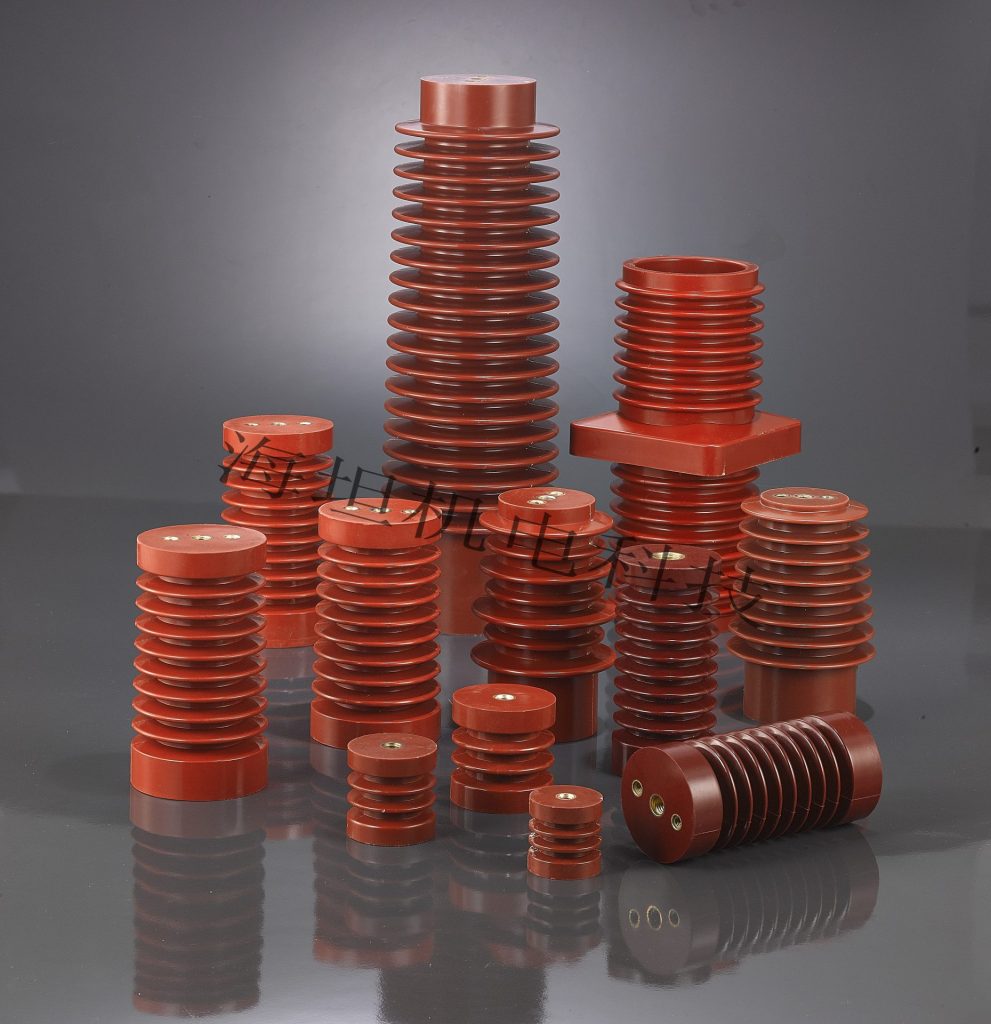
Battery Power Car Insulator Connect: Reliable Electrical Insulation for Modern Automotive Systems
вступ
As modern vehicles become increasingly electrified and technologically advanced, electrical safety and connection reliability are more important than ever. From traditional fuel-powered vehicles to hybrid and electric vehicles (EVs), automotive electrical systems rely on durable insulation and secure power connections to ensure stable operation.
One essential component in these systems is the battery power car insulator connector. Designed to provide electrical insulation, mechanical support, and safe current transmission, these connectors help protect automotive circuits from short circuits, overheating, vibration damage, and electrical leakage.
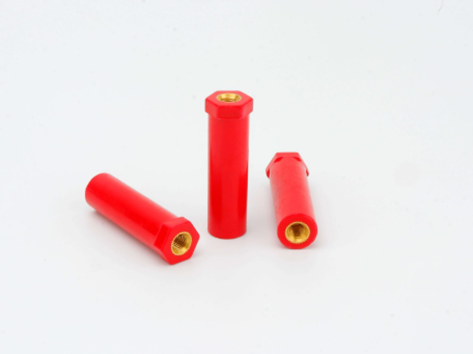
What Is a Battery Power Car Insulator Connector?
А battery power car insulator connector is an electrical connection component used to safely connect automotive battery systems while maintaining electrical insulation between conductive parts.
These connectors are commonly installed in:
Vehicle battery systems
Electric vehicles (EVs)
Hybrid vehicles
Automotive power distribution units
Charging systems
High-current cable assemblies
Their primary functions include:
Conducting electrical current safely
Preventing accidental short circuits
Supporting stable electrical connections
Protecting components from heat and vibration
Improving overall vehicle electrical safety
Why Battery Insulation Connections Matter in Vehicles
Automotive electrical systems operate in challenging environments that involve:
Constant vibration
High temperatures
Moisture exposure
Dust and contaminants
Rapid current fluctuations
Without proper insulation and secure connections, vehicles may experience:
Power instability
Electrical leakage
Battery failure
Overheating
Short circuits
Fire risks
Reliable insulated battery connectors help ensure long-term electrical system stability and safety.
Key Features of Battery Power Car Insulator Connectors
Excellent Electrical Insulation
The primary role of the insulator connector is preventing unintended current flow between conductive components.
High-quality insulating materials help provide:
High dielectric strength
Low leakage current
Stable insulation performance
Improved electrical safety
This is especially important in high-voltage EV battery systems.
Heat Resistant Performance
Automotive electrical systems can generate significant heat during operation.
Battery connectors must withstand:
High current loads
Engine compartment temperatures
Charging heat
Thermal cycling
Heat-resistant insulating materials help prevent deformation and insulation failure.
Flame Retardant Properties
Modern automotive safety standards require many electrical components to be flame retardant.
Flame-retardant battery insulator connectors help:
Reduce fire risks
Improve passenger safety
Prevent flame propagation
Enhance system reliability
This is particularly critical in electric vehicles and battery energy storage systems.
Strong Mechanical Durability
Vehicles experience continuous vibration and movement during operation.
Battery connectors must maintain stable electrical contact under:
Road vibration
Mechanical shock
Vehicle movement
Теплове розширення
Durable connector designs reduce the risk of loose connections and power interruption.
Стійкість до корозії
Automotive environments expose connectors to:
Moisture
Salt spray
Oil
Chemicals
Dirt
Corrosion-resistant materials improve long-term connection reliability and reduce maintenance requirements.
Common Materials Used in Automotive Insulator Connectors
Copper Conductive Components
Copper is widely used because of its:
Excellent electrical conductivity
Low resistance
High current carrying capacity
Long-term reliability
Tin-plated copper is often preferred for improved corrosion resistance.
Engineering Plastic Insulators
High-performance plastics provide:
Електроізоляція
Heat resistance
Lightweight structure
Вогнестійкість
Common materials include:
PA66 nylon
PBT
PPS
DMC композити
Silicone and Rubber Seals
Sealing components help improve:
Waterproof performance
Dust protection
Vibration resistance
These materials are important for automotive-grade connector reliability.
Applications of Battery Power Car Insulator Connectors
Electric Vehicles (EVs)
Electric vehicles use high-voltage battery systems that require highly reliable insulated connectors.
Applications include:
Battery pack connections
Power distribution units
Charging systems
Inverter connections
Hybrid Vehicles
Hybrid systems require stable power transfer between batteries, motors, and control systems.
Insulated connectors improve operational safety and energy efficiency.
Even conventional vehicles rely on insulated battery connectors for:
Starter systems
Power distribution
Grounding systems
Electronic control units
EV charging stations also use insulated connectors for safe high-current transmission.
Battery energy storage modules require secure insulated power connections to ensure stable energy transfer.
Advantages of High-Quality Automotive Battery Insulator Connectors
Improved Electrical Safety
Reliable insulation reduces the risk of:
Electrical shock
Short circuits
Current leakage
Arc faults
Low-resistance conductive paths improve energy efficiency and reduce power loss.
High-quality materials resist:
Heat aging
Corrosion
Vibration damage
Environmental stress
Durable connectors minimize failure rates and maintenance requirements.
Stable electrical systems improve overall vehicle performance and operational safety.
Important Factors When Choosing Battery Power Car Insulator Connectors
Voltage and Current Rating
Always ensure the connector supports the required operating voltage and current capacity.
This is especially important for EV high-voltage systems.
Select connectors capable of operating safely under automotive thermal conditions.
Automotive connectors often require IP-rated protection for harsh environments.
Common ratings include:
IP67
IP68
Choose materials compliant with automotive fire safety standards.
The connector should withstand vibration, impact, and repeated connection cycles.
Compatibility with Automotive Standards
Reliable automotive connectors often comply with:
ISO standards
UL certifications
RoHS requirements
Automotive OEM specifications
Common Failure Causes in Automotive Battery Connectors
Loose Connections
Poor installation or vibration may cause unstable electrical contact.
Moisture and salt exposure can increase resistance and reduce conductivity.
Excessive current or poor contact quality may generate dangerous heat buildup.
Long-term thermal exposure may degrade insulating materials.
Repeated stress or improper handling can damage connector structures.
Maintenance Tips for Automotive Battery Connectors
To maintain reliable performance:
Inspect connectors regularly
Clean corrosion buildup
Check for overheating signs
Tighten loose connections
Replace damaged insulation components
Preventive maintenance improves electrical reliability and vehicle safety.
Future Trends in Automotive Insulator Connector Technology
As vehicle electrification accelerates, connector technology continues evolving.
Future trends include:
Lightweight high-performance materials
Higher voltage connector systems
Smart monitoring connectors
Improved thermal management
Enhanced waterproof technologies
Faster charging compatibility
These innovations support the rapid growth of electric mobility and intelligent transportation systems.
Висновок
Battery power car insulator connectors are essential components in modern automotive electrical systems. They provide safe current transmission, reliable insulation, mechanical durability, and long-term operational stability.
From electric vehicles and hybrid systems to traditional automotive power distribution, high-quality insulated connectors help improve safety, reduce maintenance, and support efficient vehicle performance.
As automotive technology continues advancing toward electrification and smart mobility, reliable battery insulation connectors will remain critical for safe and efficient transportation systems.
FAQ
What is the purpose of a battery power car insulator connector?
It safely connects automotive battery systems while providing electrical insulation and mechanical stability.
Why are insulated connectors important in electric vehicles?
EV systems operate at high voltage levels, making reliable insulation essential for preventing electrical faults and ensuring passenger safety.
What materials are commonly used in automotive battery connectors?
Common materials include copper conductors, flame-retardant engineering plastics, silicone seals, and corrosion-resistant metal coatings.
Can battery connectors withstand high temperatures?
Yes. Automotive-grade connectors are designed with heat-resistant materials for demanding operating conditions.
What causes automotive battery connector failure?
Common causes include loose connections, corrosion, overheating, vibration damage, and insulation aging.
--- КІНЕЦЬ ---
 Електронна адреса: [email protected]
 No. 20 Lingyun Road, Dongfeng
Промислова зона, місто Ліуші, Юецін
Місто, провінція Чжецзян


© Copyright 2024 China Haitan Electromechanical Technology Co., Ltd. Усі права захищено.ЗА ПІДТРИМКУ:JUNJ Політика конфіденційності
 Ukrainian
  English (United States)
  English (South Africa)
  Arabic
  Belarusian
  Bengali
  Japanese
  Kazakh
  Korean
  Myanmar
  Russian
  Thai
Thai  Uzbek
Uzbek  Vietnamese
  Chinese