
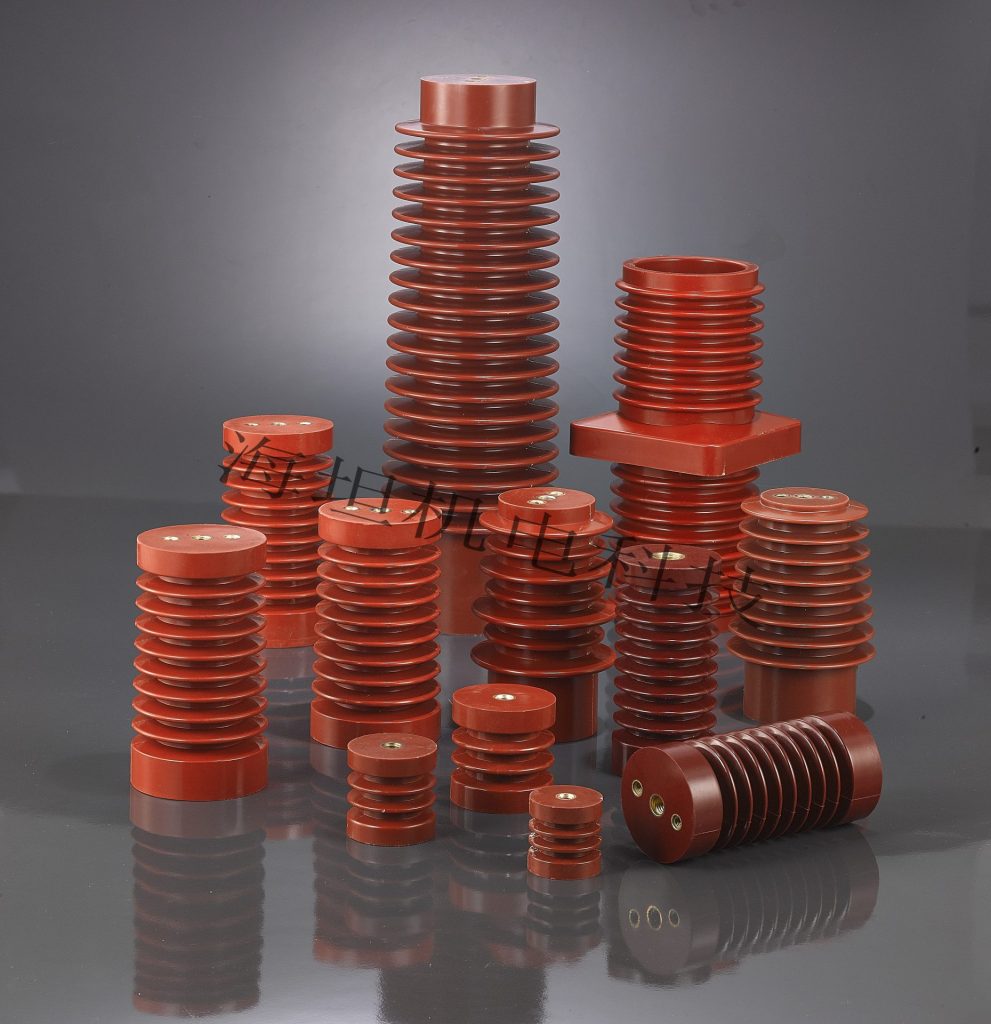
The Role of Low Voltage Busbar Support Insulator Wire Holders in Reducing Electrical Risks
вступ
Electrical risks in low-voltage power distribution systems often stem from conductor movement, poor insulation, overheating, or accidental contact between energized components. While advanced circuit protection devices attract most of the attention, one critical safety element is frequently overlooked — the Тримач дроту ізолятора опори шин низької напруги.
These components may be small, but they play a decisive role in ensuring electrical safety and system stability. This article explains how they work, why they matter, and how the right choice of support insulator significantly reduces electrical risks in industrial, commercial, and residential power systems.
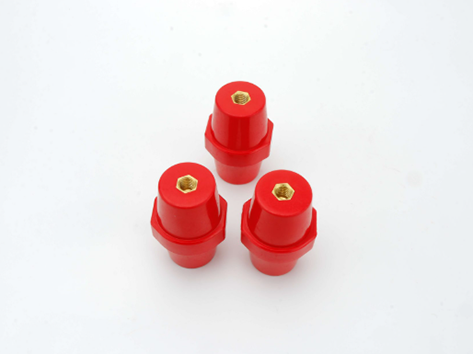
What Are Low Voltage Busbar Support Insulator Wire Holders?
А Тримач дроту ізолятора опори шин низької напруги is an insulating component designed to:
Secure busbars or wires in place
Maintain safe spacing between energized conductors
Prevent electrical conduction where it shouldn’t occur
Ensure mechanical stability under load, vibration, and thermal expansion
Commonly used in distribution boards, switchgear, control panels, inverters, and power control cabinets, these insulators act as the “silent protectors” of electrical safety.
How Busbar Support Insulators Reduce Electrical Risks
Preventing Short Circuits Caused by Conductor Movement
Busbars and wires may shift due to vibration, mechanical stress, thermal expansion, or improper installation. Even minimal displacement can cause dangerous contact, leading to:
Line-to-line short circuits
Arcing
Equipment damage
Faulty power distribution
A high-quality support insulator keeps conductors firmly fixed, preventing unintentional contact and ensuring safe clearance distances.
Minimizing Arc Flash Hazards
Arc flash incidents are among the most serious electrical accidents. They often occur when:
Conductors are too close
Insulation is weak or damaged
Busbars loosen inside the cabinet
Support insulators act as physical barriers and structural anchors, reducing the chances of arcing due to conductor displacement or environmental factors.
Improving Thermal Management
High currents generate heat. Without secure support, uneven spacing or improper conductor alignment can result in:
Hotspots
Accelerated insulation degradation
Higher contact resistance
By stabilizing the busbars, support insulators maintain optimal thermal performance, lowering the risk of overheating-related failures.
Enhancing Operator and Maintenance Safety
Accidental human contact or tool contact during maintenance is a major safety concern. Busbar support insulators:
Create consistent, safe separation
Reduce exposure risks
Prevent the busbar from shifting while being serviced
This added stability makes inspection and maintenance significantly safer.
Withstanding Harsh Environmental and Electrical Stress
Reliable insulators are made from materials like:
DMC (компаунд для формування тіста)
BMC (Bulk Molding Compound)
High-strength polymers
These materials deliver excellent:
Діелектрична міцність
Heat resistance
Вологостійкість
Вогнестійкість
Even under severe conditions, they maintain their insulating ability, preventing electrical leakage or breakdown.
Types of Risks Reduced by Busbar Support Insulator Wire Holders
| Risk Type | How Insulators Reduce Risk |
| Short circuits | Maintain safe spacing, eliminate conductor contact |
| Arc flash | Prevent displacement and insulation failure |
| Overheating | Improve structural alignment and heat dissipation |
| Electrical leakage | Provide high dielectric insulation |
| Vibration-related faults | Offer strong mechanical support |
| Human contact accidents | Create physical segregation and stability |
Why High-Quality Support Matters (Highlighting SM & SB Series)
Not all insulators perform the same. The SM і SB series stand out because they are designed to enhance system safety and reliability:
SM Series Advantages
Robust mechanical strength
Compact design for tight panel layouts
Excellent temperature resistance
Ideal for low-to-medium current systems
SB Series Advantages
Higher dielectric strength
Reinforced mounting structure
Suitable for heavy current and industrial-grade power systems
Long-term reliability under continuous vibration
Choosing the right insulator ensures not only compliance with electrical safety standards but also significantly reduces risks across the entire system lifecycle.
Best Practices for Reducing Risks with Busbar Support Insulators
Use insulators rated for your voltage and current
Avoid under-rated materials that may deteriorate under load.
Ensure correct spacing during installation
Proper clearance prevents arcing and overheating.
Choose high-quality flame-retardant materials
Important for preventing fire-related accidents.
Avoid mixing busbar sizes with incompatible insulators
Mismatch can cause loose connection and structural failure.
Regular inspection and tightening
Even the best insulators require periodic checks to maintain safety.
Висновок
Low Voltage Busbar Support Insulator Wire Holders are essential components in creating a safe, stable, and reliable electrical distribution environment. By preventing short circuits, lowering arc flash risks, improving thermal performance, and strengthening mechanical support, they significantly reduce operational hazards.
For engineers, panel builders, and installers seeking long-term safety, choosing high-performance insulators—such as the SM and SB series—is an investment in system protection and electrical reliability.
FAQ
What is the primary function of a Low Voltage Busbar Support Insulator Wire Holder?
Its main function is to provide electrical insulation and mechanical support for busbars or conductors inside low-voltage distribution systems. It keeps conductors securely spaced, prevents contact, and reduces risks such as short circuits, arc flash, and overheating.
Why are busbar support insulators important for electrical safety?
They maintain safe clearance between energized components, reduce conductor movement caused by vibration or heat, and ensure stable alignment. These factors prevent potential electrical faults and significantly enhance system safety.
What materials are commonly used for high-quality busbar support insulators?
High-performance support insulators are usually made from DMC/BMC composites or high-strength flame-retardant polymers. These materials offer excellent dielectric properties, thermal resistance, mechanical strength, and long-term durability.
Can Low Voltage Busbar Support Insulator Wire Holders prevent arc flash incidents?
Yes. By ensuring that busbars remain firmly fixed and properly spaced, insulators reduce the chance of arcing caused by conductor displacement, insulation failure, or accidental contact. This significantly lowers arc flash risk.
Do premium models like the SM and SB series really make a difference?
Yes. SM and SB series insulators deliver stronger mechanical structure, higher dielectric strength, and better long-term stability. They are designed for demanding industrial and commercial power systems, making them safer and more reliable compared to generic products.
--- КІНЕЦЬ ---
 Електронна адреса: [email protected]
  No. 20 Lingyun Road, Dongfeng
Промислова зона, місто Ліуші, Юецін
Місто, провінція Чжецзян


© Copyright 2024 China Haitan Electromechanical Technology Co., Ltd. Усі права захищено.ЗА ПІДТРИМКУ:JUNJ Політика конфіденційності
 Ukrainian
  English (United States)
  English (South Africa)
  Arabic
  Belarusian
  Bengali
  Japanese
  Kazakh
  Korean
  Myanmar
  Russian
  Thai
Thai  Uzbek
Uzbek  Vietnamese
  Chinese