
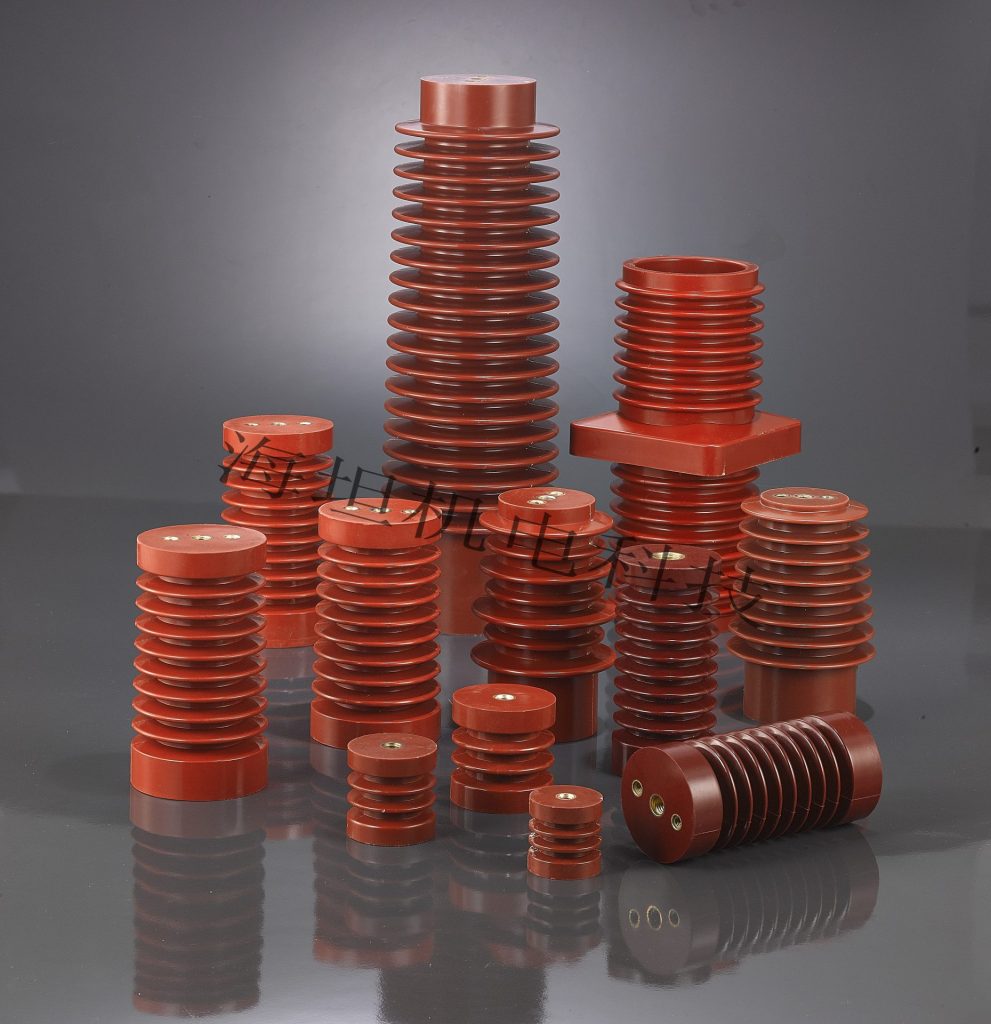
Why DMC Is the Ideal Choice for Low-Voltage Insulators
вступ
In low-voltage electrical systems, insulators play a critical role in ensuring electrical safety, mechanical stability, and long-term reliability. Among various insulation materials available today, DMC (компаунд для формування тіста) has become one of the most preferred materials for low-voltage insulators, especially in switchgear, busbar systems, and distribution cabinets.
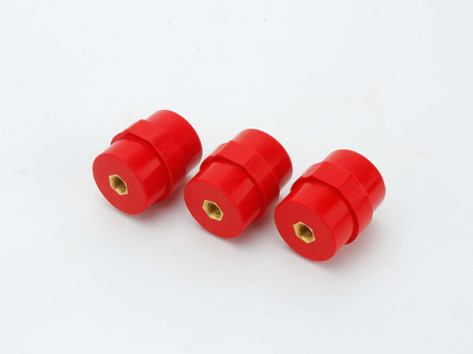
What Is DMC Material?
DMC (Dough Molding Compound) is a thermosetting composite material widely used in electrical insulation applications. It is closely related to BMC (Bulk Molding Compound)—both belong to the same family of polyester-based molding compounds, with similar formulations but different processing characteristics.
BMC Material Composition
To better understand DMC, it is helpful to first look at BMC material composition, as the two share core ingredients:
BMC is typically composed of:
Unsaturated polyester resin (as the base resin)
Glass fiber reinforcement (short glass fibers)
Inorganic fillers (such as calcium carbonate or alumina)
Curing agents
Additives (including flame retardants, pigments, lubricants, and stabilizers)
DMC uses a higher viscosity “dough-like” formulation compared to BMC, allowing for better fiber wetting and enhanced mechanical performance. This makes DMC particularly suitable for structural and insulation components that require higher strength and dimensional stability.
Why DMC Is Ideal for Low-Voltage Insulators
High Electrical Insulation Performance
One of the primary reasons DMC is widely used in low-voltage insulators is its excellent electrical insulation properties.
Key insulation advantages include:
High dielectric strength, effectively preventing current leakage
Low tracking and erosion, suitable for environments with dust and humidity
Stable insulation performance over a wide temperature range
These properties make Ізолятори DMC reliable in low-voltage applications such as busbar supports, terminal blocks, and distribution systems.
High Mechanical Strength and Structural Stability
Thanks to its glass fiber reinforcement and optimized resin system, DMC offers high mechanical strength, which is essential for insulators that must bear electrical conductors and withstand installation stresses.
Key mechanical benefits:
High compressive and tensile strength
Excellent impact resistance
Strong resistance to deformation under long-term load
This ensures that DMC low-voltage insulators maintain their shape and performance even under vibration, thermal expansion, or mechanical shock.
Excellent Corrosion and Chemical Resistance
Low-voltage electrical systems are often exposed to moisture, chemicals, oils, and industrial pollutants. DMC material performs exceptionally well in these environments.
Corrosion resistance advantages:
Resistant to moisture absorption and hydrolysis
Strong resistance to acids, alkalis, and industrial chemicals
No rusting or oxidation, unlike metal-based alternatives
This makes DMC insulators suitable for harsh industrial environments, coastal areas, and outdoor or semi-outdoor installations.
Thermal Stability and Flame Retardancy
DMC is a thermosetting material that does not soften once cured. With appropriate additives, it can achieve excellent flame-retardant performance.
Additional thermal advantages:
High heat resistance
Low thermal expansion
Compliance with common flame-retardant standards (such as UL classifications)
These properties enhance the overall safety of low-voltage electrical systems.
Cost-Effective and Long Service Life
Compared to ceramic or metal-based insulators, DMC offers a balanced combination of performance and cost.
Why it is economical:
Long service life with minimal maintenance
Stable performance reduces replacement frequency
Efficient molding process allows for consistent quality and scalable production
This makes DMC an ideal choice for manufacturers and system integrators seeking reliable and cost-effective low-voltage insulation solutions.
Висновок
With its high insulation performance, superior mechanical strength, and excellent corrosion resistance, DMC has proven to be an ideal material for low-voltage insulators. Building upon the robust material foundation shared with BMC—such as polyester resin, glass fiber reinforcement, and functional additives—DMC delivers enhanced durability and safety for modern electrical systems.
For applications where electrical reliability, mechanical stability, and long-term performance are critical, DMC low-voltage insulators remain a smart and trusted choice.
FAQ
What is the difference between DMC and BMC materials?
DMC (Dough Molding Compound) and BMC (Bulk Molding Compound) share a similar material composition, including polyester resin, glass fibers, fillers, and additives. The key difference lies in viscosity and fiber distribution.
DMC has a higher viscosity and better fiber wetting, resulting in higher mechanical strength and improved structural integrity, making it more suitable for load-bearing low-voltage insulators.
Why is DMC suitable for low-voltage insulation applications?
DMC is widely used in low-voltage insulators because it offers:
High dielectric strength
Excellent tracking and arc resistance
Strong mechanical performance
Long-term stability in electrical environments
These properties ensure safe and reliable operation in low-voltage power distribution systems.
Do DMC insulators perform well in humid or corrosive environments?
Yes. DMC material has low moisture absorption and strong resistance to acids, alkalis, oils, and industrial chemicals. This makes DMC insulators ideal for humid, coastal, and industrial environments where corrosion resistance is critical.
Are DMC low-voltage insulators flame retardant?
DMC can be formulated with flame-retardant additives to meet common safety standards. As a thermosetting material, it does not melt when exposed to high temperatures and helps reduce fire risks in electrical systems.
How does DMC compare to ceramic insulators?
Compared to ceramic insulators, DMC offers:
Lower weight
Better impact resistance
Easier installation
Lower breakage risk
While ceramics have excellent insulation properties, DMC provides a more cost-effective and mechanically robust solution for low-voltage applications.
What are typical applications of DMC low-voltage insulators?
DMC low-voltage insulators are commonly used in:
Ізолятори опорні шини
Distribution cabinets and switchgear
Terminal blocks
Electrical panels and control systems
Is DMC a cost-effective insulation material?
Yes. DMC offers a strong balance between performance and cost. Its long service life, low maintenance requirements, and efficient molding process make it an economical choice for large-scale electrical projects.
--- КІНЕЦЬ ---
 Електронна адреса: [email protected]
  No. 20 Lingyun Road, Dongfeng
Промислова зона, місто Ліуші, Юецін
Місто, провінція Чжецзян


© Copyright 2024 China Haitan Electromechanical Technology Co., Ltd. Усі права захищено.ЗА ПІДТРИМКУ:JUNJ Політика конфіденційності
 Ukrainian
  English (United States)
  English (South Africa)
  Arabic
  Belarusian
  Bengali
  Japanese
  Kazakh
  Korean
  Myanmar
  Russian
  Thai
Thai  Uzbek
Uzbek  Vietnamese
  Chinese