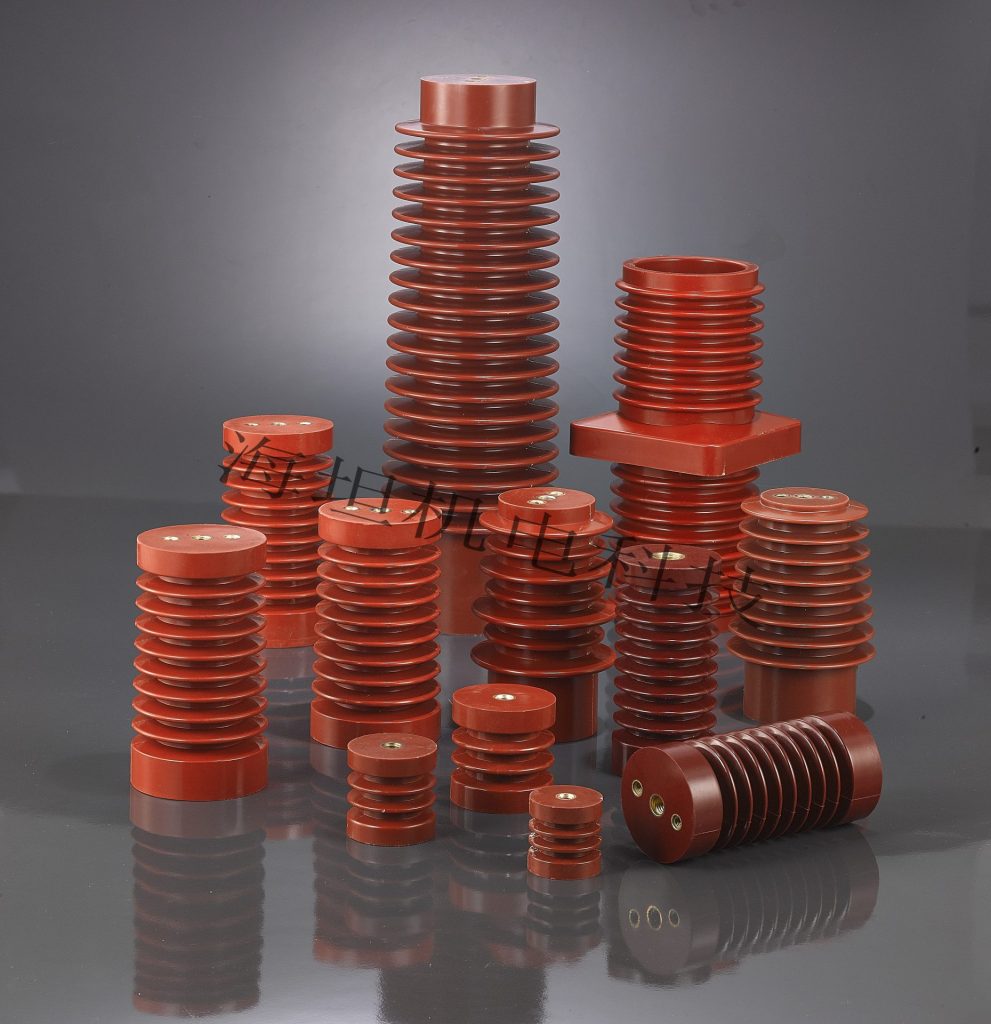
Material and Design Differences in Low Voltage Wire Holders
Blog | Yangiliklar xodimi | Apr 24,2026
Kirish
In low voltage electrical systems, wire holders play an essential role in cable management, safety, and system organization. While they may look simple, the material and design of wire holders significantly affect their performance, durability, and suitability for different applications.
Choosing the right wire holder is not just a matter of size—it requires understanding how materials and structural design impact electrical insulation, mechanical strength, and long-term reliability.
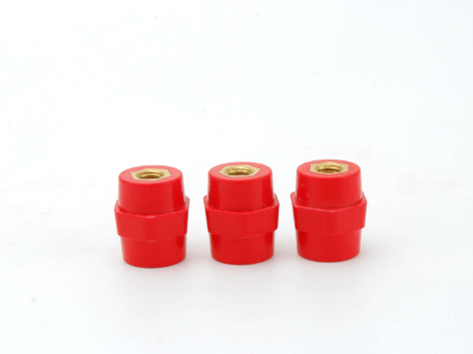
What Is a Low Voltage Wire Holder?
A low voltage wire holder is a component used to secure, guide, and organize electrical cables inside panels, enclosures, and industrial systems. It ensures that wires remain properly positioned, preventing tangling, movement, or contact with other components.
They are widely used in:
Control cabinets
Power distribution panels
Industrial automation systems
Qayta tiklanadigan energiya tizimlari
EV battery assemblies
Common Materials Used in Wire Holders
Material selection is one of the most important factors in wire holder performance. Different materials offer different levels of insulation, strength, and environmental resistance.
Nylon (PA66)
Nylon is one of the most commonly used materials in wire holders.
Key features:
Good electrical insulation
Yuqori mexanik kuch
Lightweight and cost-effective
Moderate heat resistance
Best for:
General low voltage electrical panels and indoor applications.
Polycarbonate (PC)
Polycarbonate is known for its excellent toughness and transparency.
Key features:
High impact resistance
Yaxshi o'lchovli barqarorlik
Strong dielectric properties
Flame-retardant options available
Best for:
High-reliability systems and environments requiring visual inspection or higher safety standards.
Thermoplastic Materials (Engineering Plastics)
Advanced thermoplastics are used in high-performance wire holders.
Key features:
Excellent heat resistance
Strong chemical resistance
Long service life
Suitable for harsh environments
Best for:
Industrial automation, renewable energy, and EV systems.
Comparison Summary
Nylon: Balanced cost and performance
Polycarbonate: Higher strength and safety
Engineering thermoplastics: Premium durability and resistance
Design Differences in Wire Holders
Besides material, design structure plays a major role in functionality and application suitability.
Open-Type vs Closed-Type Design
Open-Type Wire Holders
Easy cable insertion and removal
Tezroq o'rnatish
Suitable for flexible wiring systems
Closed-Type Wire Holders
Stronger cable fixation
Better protection against movement
Ideal for vibration-prone environments
Standoff Design
Standoff wire holders elevate cables away from mounting surfaces.
Advantages:
Improves insulation distance
Reduces heat transfer
Prevents contact with metal surfaces
Modulyar dizayn
Modular wire holders allow multiple cables to be managed in a structured layout.
Advantages:
Scalable cable organization
Easy expansion for system upgrades
Cleaner wiring layout in complex panels
Snap-In vs Screw-Mounted Design
Snap-In Design
Fast installation
Tool-free assembly
Ideal for mass production systems
Screw-Mounted Design
Strong mechanical fixation
Suitable for high-vibration environments
More secure long-term performance
How Material and Design Work Together
The performance of a wire holder depends on the combination of material and design:
High-temperature environments require engineering plastics + closed structure
High-vibration systems need screw-mounted + reinforced nylon or PC
Compact control panels benefit from open-type + modular design
This combination ensures optimal safety and efficiency in different applications.
Application-Driven Selection Strategy
Sanoatni avtomatlashtirish
Material: Nylon or engineering plastic
Design: Closed or screw-mounted
Qayta tiklanadigan energiya tizimlari
Material: Polycarbonate or thermoplastic
Design: Modular or standoff type
Electrical Control Panels
Material: Nylon (PA66)
Design: Open-type snap-in
EV Battery Systems
Material: High-performance thermoplastics
Design: Reinforced modular structure
Xulosa
Low voltage wire holders may appear simple, but their material and design differences directly impact system safety, durability, and performance. Selecting the right combination ensures better cable organization, improved electrical safety, and longer system lifespan.
As electrical systems continue to evolve toward higher density and complexity, optimized wire holder design will remain a key part of modern electrical engineering.
--- OXIRI ---
 Elektron pochta: [email protected]
 № 20 Lingyun yo'li, dongfeng
Sanoat zonasi, liushi shahri, yuqish
Shahar, Jejian viloyati

G'altak

Sho'x
© Copyright 2024 Xitoy Gaitan elektromexanik texnologiya Co., Ltd. Barcha huquqlar himoyalangan.Qo'llab-quvvatlash: Junj Maxfiylik siyosati
 Uzbek
Uzbek  English (United States)
  English (South Africa)
  Arabic
  Belarusian
  Bengali
  Japanese
  Kazakh
  Korean
  Myanmar
  Russian
  Thai
Thai  Ukrainian
  Vietnamese
  Chinese