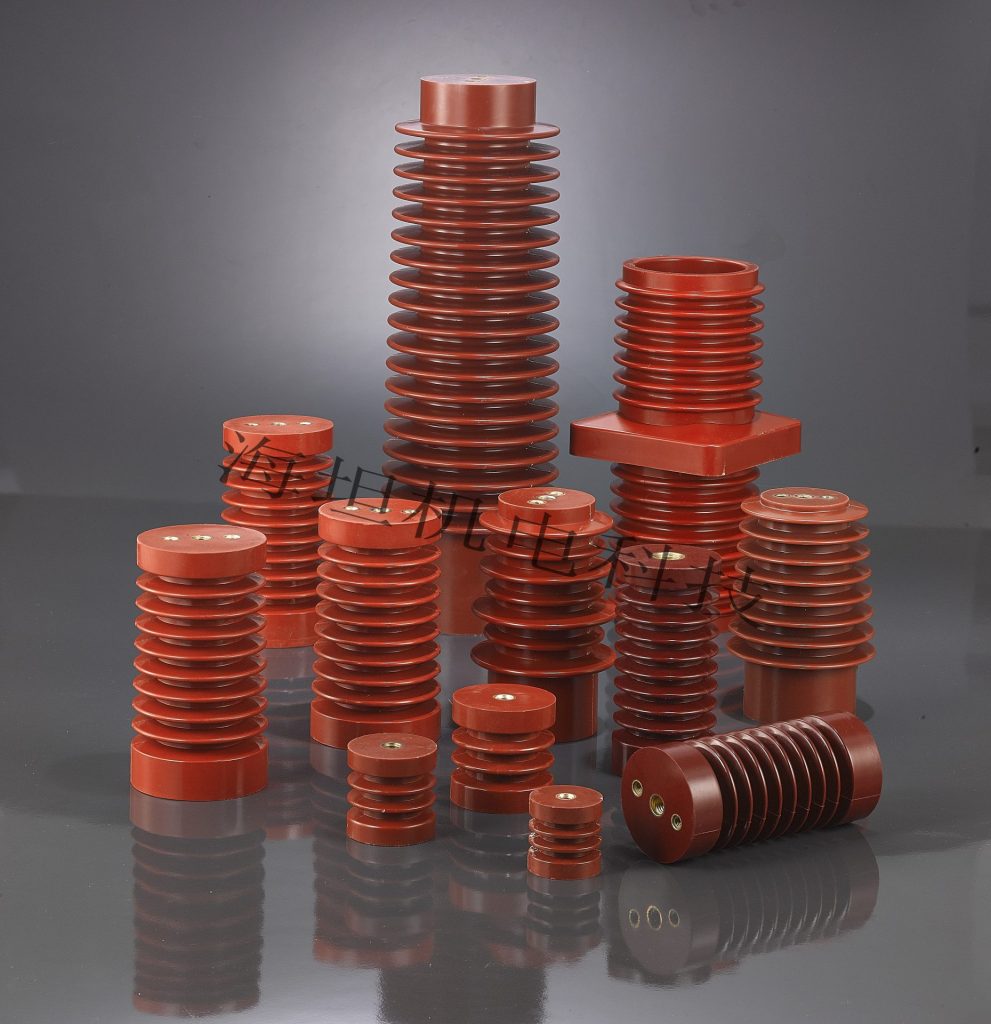
From Formulation to Performance: How Glass Fiber Content and Length Affect BMC Insulator Mechanical Properties
Blog | Yangiliklar xodimi | Iyun 11,2026
Kirish
When an electrical insulator cracks under mechanical load, your entire power cabinet goes down. For industrial power distribution, component failure means expensive downtime and safety hazards. This article breaks down how raw BMC bulk molding compound recipes dictate real-world structural survival, helping you choose rugged components that protect your bottom line.
What Is Bmc Bulk Molding Compound
To select the right parts for your switchgear or transformer, you need to understand what goes into the mold. BMC bulk molding compound is a ready-to-mold, fiber-reinforced thermoset material. It combines a liquid polymer base with solid structural reinforcements.
A standard industrial formulation consists of three core ingredients:
The Matrix: Polyester, vinyl ester, or epoxy resins that form the chemical body and provide electrical resistance.
The Filler: Mineral compounds like calcium carbonate or aluminum trihydrate that improve flame retardancy and lower raw material costs.
The Reinforcement: Chopped glass fibers that act as the structural skeleton, giving the finished part its physical strength.
Unlike sheet compounds, this thick, dough-like paste is optimized for injection or compression molding. This makes it ideal for producing high-precision shapes with complex geometries, such as threaded standoff parts and busbar mounts.
How Does Bmc Formulation Affect Performance
Every adjustment to a BMC compound recipe involves a balancing act between material flow during manufacturing and the final performance in the field.
If you change the ratio of resin to glass fiber, you alter how the material behaves under stress. A high-resin formula flows smoothly into intricate mold cavities, creating a flawless surface finish with excellent dielectric properties. However, without enough structural fiber, the part becomes brittle and prone to catastrophic snapping when subjected to physical loads.
Conversely, loading a formula with structural fiber increases toughness but makes the raw material stiff. If the compound cannot flow properly into the mold, it creates internal air pockets and structural weak spots. For your business, finding a supplier who masters this formulation balance means your components will handle both high electrical voltage and high physical stress.
Why Is Glass Fiber Content Percentage Critical for Bmc Mexanik xususiyatlar
The total weight percentage of glass fiber inside a BMC material mix directly determines its resistance to cracking, pulling, and bending forces.
Low Glass Content (Under 15%)
When fiber content drops too low, the finished component behaves like an unreinforced plastic. It lacks the internal framework needed to stop cracks from spreading. Under high installation torque, these parts often split cleanly in half.
High Glass Content (Over 30%)
Increasing fiber content spikes the physical strength of the component. However, exceeding the optimal threshold makes the raw paste dry and difficult to press. The glass fibers can clump together, preventing the resin from coating each strand. This results in microscopic structural voids that lower the electrical insulation value of the part.
What Is the Optimal Glass Fiber Ratio in Bmc
For standard low-voltage and medium-voltage applications, structural engineers look for a specific sweet spot in fiber loading. The table below outlines how different fiber percentages alter physical capabilities:
| Fiber Weight % | Mustahkamlik chegarasi | Flexural Performance | Best Application Fit |
| 10% – 15% | Low (30-40 MPa) | Mo''tadil | Small control terminal blocks with low structural loads. |
| 15% – 25% | Medium (40-60 MPa) | Baland | Standart electrical standoff insulators and busbar clips. |
| 25% – 35% | High (60-85 MPa) | Very High | Heavy-duty industrial switchgear and EV charging frames. |
How Does Glass Fiber Length Determine a Bmc Insulator’s Mechanical Strength
It isn’t just about how much glass you put into the mix; the physical length of each individual fiber strand plays a massive role in stopping structural failures.
The Mechanical Anchor Effect
When an external force pulls or bends a BMC insulator, that stress transfers from the resin matrix to the glass fibers. Short fibers (around 3mm) provide a high surface area for the resin to bond with, allowing for excellent mold precision. However, under high stress, short fibers simply slide out of the resin matrix, leading to part failure. Longer fibers (6mm to 12mm) act as physical anchors, forcing the material to rip the glass strands apart before a break can occur.
Halting Structural Cracks
Micro-cracks naturally form over years of operational stress and thermal expansion. When a growing crack hits a short fiber, it easily bypasses it. When it hits a long, intertwined glass strand, the fiber absorbs the energy and redistributes it across the component body, halting the crack in its tracks.
3 Ways Glass Fiber Distribution Protects Bmc Insulators Under Load
The final piece of the structural puzzle is distribution. The glass strands must form a uniform, three-dimensional web throughout the entire BMC molding compound during the manufacturing process.
Withstanding High Bolt Torque
When a field technician tightens a heavy copper busbar onto a standoff mount, it creates massive localized twisting forces. Proper fiber distribution prevents the metal thread inserts from stripping or ripping out of the plastic body.
Dampening Constant Grid Vibrations
Alternating current (AC) systems create a continuous, low-frequency hum that can fatigue low-grade plastics over time. A balanced fiber web absorbs these microscopic cyclic vibrations, preventing premature structural fatigue.
Surviving Rapid Thermal Swings
When an outdoor power cabinet jumps from freezing night temperatures to high-load operational heat, materials expand. Evenly distributed glass fibers keep the expansion rate uniform across the whole part, stopping internal stress fractures from forming.
Xulosa
Raw material engineering directly dictates your field reliability. Choosing components built with the correct balance of glass fiber length and content protects your equipment from catastrophic failure. Specifying high-grade materials keeps your systems operating safely for their intended 25-year lifespan.
Need a custom material formulation for your next power project? Contact our engineering team at Haitan for a technical quote.
FAQlar
Why not use 12mm long fibers for all Bmc parts?
Fibers that are too long struggle to flow into tight mold spaces, causing internal voids and rough surface finishes.
How does high fiber content protect against installation damage?
It elevates the material’s flexural strength, preventing cracks when field technicians apply high torque to mounting bolts.
Does higher fiber content reduce electrical insulation performance?
Yes, exceeding 35% glass loading can introduce structural micro-voids that trap moisture, reducing overall dielectric strength.
What is the difference between Bmc and SMC compounds?
SMC uses longer, flat fiber sheets for larger structural shapes, while BMC uses short, chopped fibers for intricate, high-precision parts.
Can a custom glass fiber ratio be ordered for extreme environments?
Yes, industrial suppliers can adjust fiber length and weight percentages to match specific mechanical or thermal requirements.
How do you identify poor fiber distribution in a molded part?
Poor distribution typically shows up as localized glass swirling on the surface or brittle cracking in specific zones under load.
What filler material works best alongside glass fiber in power applications?
Aluminum trihydrate is widely preferred because it provides excellent flame retardancy and arc resistance alongside the fiber matrix.
Does thermal cycling cause glass fibers to separate from the resin?
Only in poor formulations. High-quality thermoset compounds maintain a tight chemical bond across standard operating temperatures.
What safety certifications should a high-strength Bmc component carry?
Look for a certified UL94-V0 flame retardancy rating and compliance with RoHS and CE industrial standards.
--- OXIRI ---
 Elektron pochta: [email protected]
 № 20 Lingyun yo'li, dongfeng
Sanoat zonasi, liushi shahri, yuqish
Shahar, Jejian viloyati

G'altak

Sho'x
© Copyright 2024 Xitoy Gaitan elektromexanik texnologiya Co., Ltd. Barcha huquqlar himoyalangan.Qo'llab-quvvatlash: Junj Maxfiylik siyosati
 Uzbek
Uzbek  English (United States)
  English (South Africa)
  Arabic
  Belarusian
  Bengali
  Japanese
  Kazakh
  Korean
  Myanmar
  Russian
  Thai
Thai  Ukrainian
  Vietnamese
  Chinese