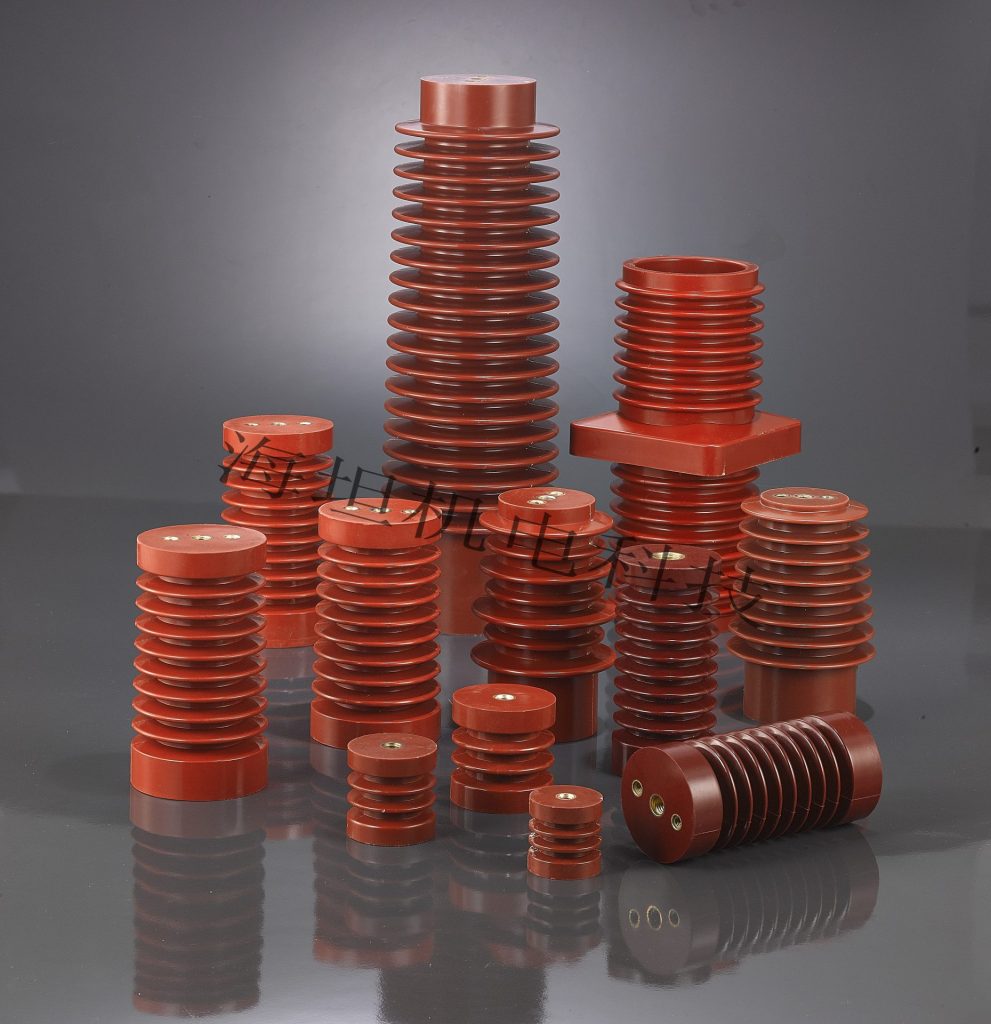
Cable Organization Solutions Using Wire Holders in Electrical Installations
Blog | Yangiliklar xodimi | Apr 23,2026
Kirish
In modern electrical systems, efficient cable organization is not just about aesthetics—it is a critical factor in safety, reliability, and system performance. As electrical installations become more compact and complex, especially in low voltage environments, proper cable management solutions are essential. One of the most effective components used for this purpose is the wire holder.
Wire holders play a key role in securing, guiding, and organizing cables within electrical enclosures, control panels, and industrial systems. This article explores how wire holders provide effective cable organization solutions in electrical installations and why they are widely used across industries.
Why Cable Organization Matters in Electrical Installations
Poor cable management can lead to several serious issues in electrical systems, including:
Short circuits caused by loose or tangled wires
Overheating due to poor airflow
Difficult maintenance and troubleshooting
Increased risk of mechanical damage to cables
Reduced system reliability and lifespan
As systems become more densely packed, especially in low voltage applications, structured cable organization becomes essential.
What Is a Wire Holder in Low Voltage Systems?
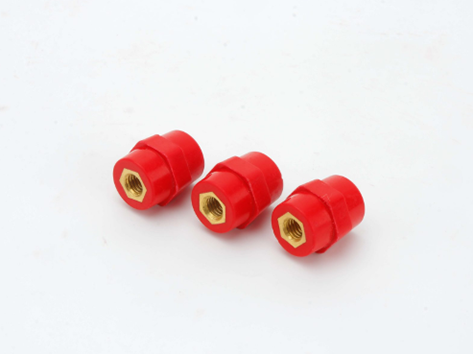
A wire holder is a mounting component designed to secure and organize electrical cables or wires inside an installation. It ensures that cables remain fixed in position, properly routed, and separated from other conductive or mechanical components.
In low voltage systems, wire holders are commonly used to:
Bundle and guide wires neatly
Maintain safe spacing between conductors
Prevent cable movement due to vibration
Improve airflow and heat dissipation
They are typically made from durable insulating materials such as nylon, polycarbonate, or thermoplastic compounds.
Cable Organization Solutions Using Wire Holders
Structured Wiring in Control Panels
In electrical control cabinets, wire holders help create a clean and structured wiring layout. This makes it easier for engineers to:
Identify circuits quickly
Perform maintenance efficiently
Reduce wiring errors during installation
A well-organized panel also improves safety and reduces downtime.
Cable Routing in Electrical Enclosures
Inside compact enclosures, cables often run across multiple components. Wire holders provide a fixed routing path, ensuring that cables do not interfere with:
Avtobuslar
Terminal blocks
Relays and switches
This improves both safety and system stability.
Vibration Protection in Industrial Systems
In industrial environments, machines often generate continuous vibration. Without proper support, cables can loosen or wear over time. Wire holders help:
Secure cables in place
Prevent abrasion and mechanical stress
Extend cable lifespan
This is especially important in automation systems and heavy machinery.
High-Density Wiring Management
Modern electrical systems often require high-density wiring solutions, especially in automation, EV systems, and communication equipment. Wire holders help:
Separate different cable groups
Avoid electromagnetic interference (EMI)
Maintain clear wiring paths in limited space
Maintenance and Troubleshooting Efficiency
One of the biggest advantages of using wire holders is improved accessibility. When cables are properly organized:
Fault detection becomes faster
Replacement and upgrades are easier
System downtime is reduced
This is especially valuable in critical infrastructure systems.
Applications of Wire Holders in Electrical Installations
Wire holders are widely used in various low voltage electrical environments, including:
Quvvatni tarqatish panellari va qo'l uzatish
Electrical control cabinets
Renewable energy systems (solar and wind power)
Communication base stations and network systems
Electric vehicle battery systems
Industrial automation equipment
Medical and laboratory electrical devices
Their versatility makes them a standard component in modern electrical design.
Benefits of Using Wire Holders
Using wire holders in electrical installations provides multiple advantages:
Improved safety through better cable organization
Reduced risk of short circuits and cable damage
Enhanced system reliability and performance
Easier installation and maintenance
Cleaner and more professional wiring layout
Xulosa
Wire holders are a simple but essential solution for cable organization in electrical installations. As low voltage systems become more compact and complex, the need for structured cable management continues to grow.
By using high-quality wire holders, engineers can ensure safer installations, improved system efficiency, and easier maintenance across a wide range of applications—from industrial control panels to renewable energy systems and electric vehicles.
TSS
1. What is a wire holder used for in electrical installations?
A wire holder is used to secure, guide, and organize electrical cables inside panels, enclosures, and equipment. It helps maintain neat wiring layouts while improving safety and system reliability.
2. Why is cable organization important in low voltage systems?
Proper cable organization helps to:
Prevent short circuits and electrical faults
Improve airflow and heat dissipation
Reduce maintenance time
Avoid cable damage from vibration or abrasion
Enhance overall system safety and performance
3. Where are wire holders commonly used?
Wire holders are widely used in:
Electrical control cabinets
Quvvatni tarqatish panellari va qo'l uzatish
Industrial automation systems
Renewable energy systems (solar and wind)
Communication base stations
Electric vehicle battery systems
Medical and laboratory equipment
4. What materials are wire holders made from?
Most wire holders are made from durable insulating materials such as:
Nylon (PA66)
Polycarbonate (PC)
Thermoplastic materials
These materials offer good insulation, strength, and resistance to heat and aging.
5. How do wire holders improve electrical safety?
Wire holders improve safety by:
Keeping cables firmly fixed in place
Preventing loose or tangled wiring
Reducing risk of short circuits
Ensuring proper separation between conductors
6. Can wire holders be used in high-vibration environments?
Yes. Wire holders are especially useful in industrial environments with vibration, as they help prevent cable movement, wear, and mechanical stress, extending cable lifespan.
7. Are wire holders suitable for high-density wiring systems?
Yes. Wire holders are ideal for compact and high-density electrical systems, as they help separate and route cables efficiently while avoiding interference.
--- OXIRI ---
 Elektron pochta: [email protected]
 № 20 Lingyun yo'li, dongfeng
Sanoat zonasi, liushi shahri, yuqish
Shahar, Jejian viloyati

G'altak

Sho'x
© Copyright 2024 Xitoy Gaitan elektromexanik texnologiya Co., Ltd. Barcha huquqlar himoyalangan.Qo'llab-quvvatlash: Junj Maxfiylik siyosati
 Uzbek
Uzbek  English (United States)
  English (South Africa)
  Arabic
  Belarusian
  Bengali
  Japanese
  Kazakh
  Korean
  Myanmar
  Russian
  Thai
Thai  Ukrainian
  Vietnamese
  Chinese