
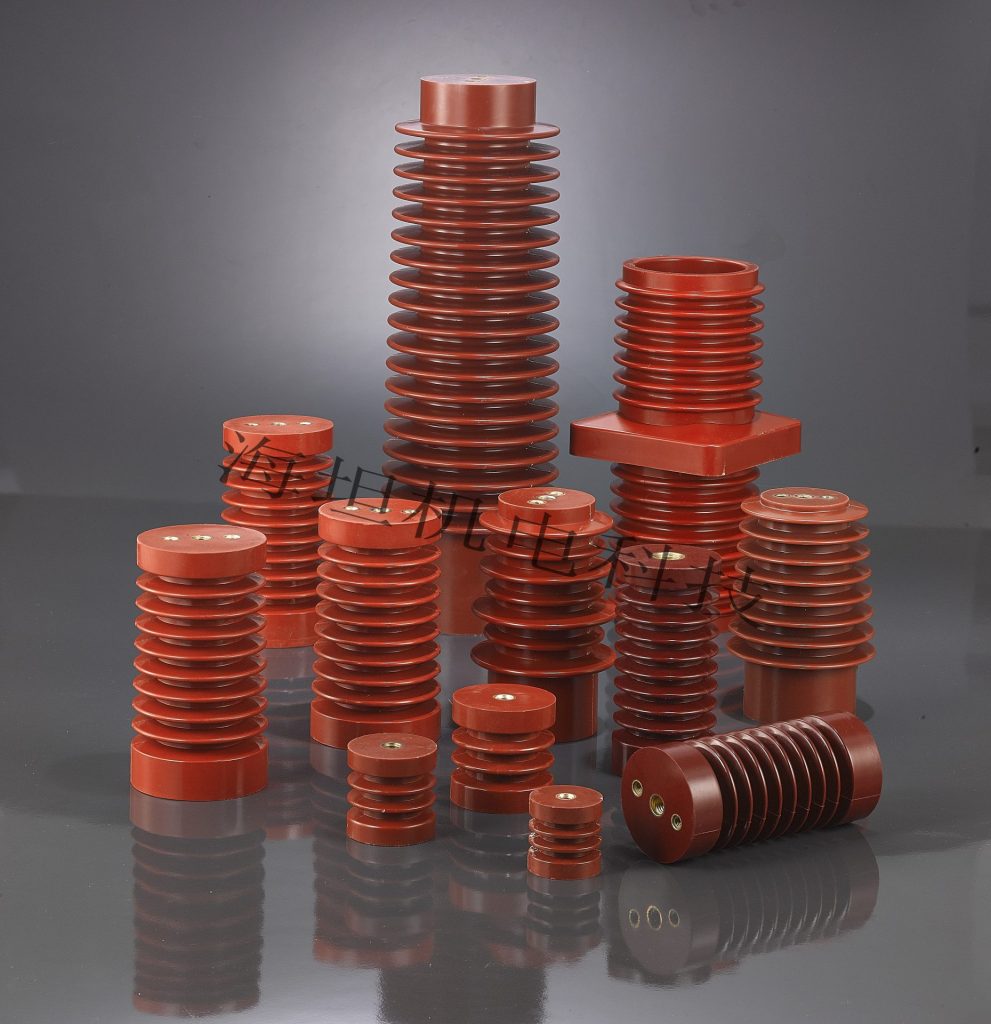
Future Development of Busbar Support Insulators in New Energy Power Systems
Blog | Yangiliklar xodimi | Yan 09,2026
Kirish
As the world accelerates toward renewable energy and smart grid integration, power systems are evolving rapidly. Solar farms, wind energy installations, and energy storage systems demand highly reliable and efficient electrical components. Among these, busbar support insulators play a critical role in maintaining electrical safety, mechanical stability, and system efficiency.
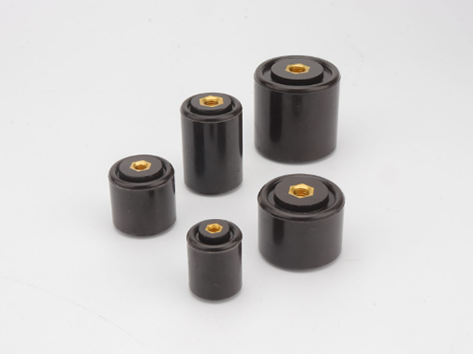
The Growing Role of Busbar Support Insulators in Renewable Energy
New energy power systems introduce unique challenges:
Fluctuating voltages from solar and wind sources
Increased load variability
Compact and modular system designs
Busbar support insulators help by:
Electrically isolating busbars to prevent short circuits
Providing mechanical stability to handle thermal expansion and vibration
Supporting modular and compact layouts for inverters, distribution cabinets, and energy storage systems
Key Development Trends for Busbar Support Insulators
Material Innovation
Modern busbar supports are moving beyond traditional ceramic or plastic insulators. DMC (Dough Molding Compound), BMC, and glass-fiber-reinforced composites are being enhanced to deliver:
Higher dielectric strength
Better mechanical durability
Improved flame retardancy
Greater resistance to environmental factors like UV, moisture, and chemical exposure
These innovations ensure long-term performance in outdoor renewable energy installations, such as solar farms and offshore wind turbines.
Compact and Modular Designs
New energy power systems increasingly rely on modular switchgear and compact distribution cabinets. Busbar support insulators are evolving to:
Fit tighter layouts without compromising safety
Support standardized busbar sizes and configurations
Enable flexible, modular installation for fast assembly and maintenance
Integration with Smart Monitoring Systems
With the rise of smart grids and digital substations, busbar supports may also incorporate:
Embedded sensors for temperature, vibration, and current monitoring
Compatibility with IoT and remote monitoring platforms
Predictive maintenance capabilities
This integration enhances operational reliability and reduces the risk of unexpected failures.
Sustainability and Eco-Friendly Manufacturing
As the renewable energy sector prioritizes sustainability, busbar support insulators are being developed with:
Recyclable and low-emission composite materials
Environmentally friendly manufacturing processes
Compliance with RoHS, REACH, and other environmental standards
Sustainable designs reduce environmental impact while maintaining electrical and mechanical performance.
Advantages of Advanced Busbar Support Insulators in New Energy Systems
Enhanced Electrical Safety: Prevents leakage, flashover, and short circuits in high-current systems
High Mechanical Stability: Handles vibration, thermal expansion, and electrodynamic forces
Fire Safety: Flame-retardant materials reduce fire risk in compact switchgear
Long-Term Reliability: Resistant to aging, heat, moisture, and environmental stress
Design Flexibility: Supports modern modular layouts and high-density installations
These advantages make busbar support insulators indispensable in ensuring safe, efficient, and reliable renewable energy power systems.
Applications in New Energy Power Systems
Advanced busbar support insulators keng qo'llaniladi:
Solar photovoltaic inverters and distribution cabinets
Wind turbine electrical systems and control panels
Energy storage systems and battery management units
Modular switchgear and compact low-voltage distribution boards
In each case, their performance directly impacts safety, efficiency, and operational uptime.
Xulosa
As new energy power systems continue to expand, the development of busbar support insulators will be driven by the need for higher reliability, mechanical strength, flame retardancy, smart integration, and sustainability.
Investing in advanced busbar support insulators ensures that renewable energy installations, smart grids, and low-voltage distribution systems operate safely, efficiently, and reliably for years to come.
TSS
What is a busbar support insulator and why is it important in new energy systems?
A busbar support insulator is an electrical component that mechanically supports and electrically isolates busbars in low-voltage and medium-voltage systems. It is essential in new energy systems to prevent short circuits, maintain safety, and ensure stable operation under fluctuating loads from solar, wind, or energy storage systems.
How are modern busbar support insulators different from traditional insulators?
Modern busbar supports use advanced composite materials like DMC or BMC, which offer:
Higher dielectric strength
Better mechanical durability
Olovli rozivlik
Resistance to moisture, UV, and chemical exposure
These properties make them more reliable than traditional ceramic or plastic insulators in renewable energy and smart grid applications.
Can busbar support insulators be used in outdoor renewable energy installations?
Yes. High-quality busbar support insulators are designed to withstand harsh environmental conditions, including high humidity, UV exposure, salt spray, and temperature fluctuations, making them suitable for solar farms, offshore wind turbines, and outdoor energy storage systems.
Are busbar supports compatible with smart grid and monitoring technologies?
Yes. Many modern busbar support insulators can be integrated with embedded sensors for temperature, vibration, or current monitoring. This allows for predictive maintenance, real-time system diagnostics, and enhanced operational reliability in smart grid applications.
--- OXIRI ---
 Elektron pochta: [email protected]
  № 20 Lingyun yo'li, dongfeng
Sanoat zonasi, liushi shahri, yuqish
Shahar, Jejian viloyati

G'altak

Sho'x
© Copyright 2024 Xitoy Gaitan elektromexanik texnologiya Co., Ltd. Barcha huquqlar himoyalangan.Qo'llab-quvvatlash: Junj Maxfiylik siyosati
 Uzbek
Uzbek  English (United States)
  English (South Africa)
  Arabic
  Belarusian
  Bengali
  Japanese
  Kazakh
  Korean
  Myanmar
  Russian
  Thai
Thai  Ukrainian
  Vietnamese
  Chinese