The Role of Cable Glands in Electrical Safety and Cable Management
Blog | Yangiliklar xodimi | Mar 25,2026
Kirish
In modern electrical systems, ensuring both safety va efficient cable organization is essential. While cables and connectors often receive the most attention, one small yet critical component plays a major role behind the scenes—the Kabel bezlari. Designed to secure, seal, and protect cables at entry points, cable glands are fundamental to maintaining reliable and safe electrical installations.
What Is a Cable Gland?
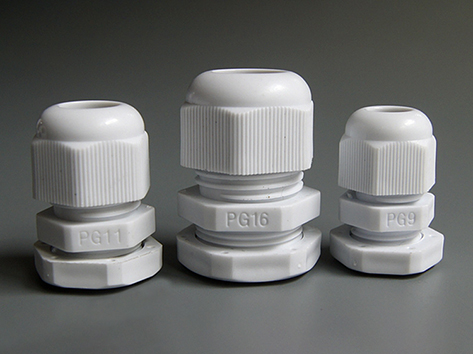
A Kabel bezlari is a device used to attach and secure the end of an electrical cable to equipment such as enclosures, distribution boxes, or machinery. It provides multiple functions in a single component, including:
Mechanical cable retention
Environmental sealing
Electrical grounding (in certain types)
Strain relief
Cable glands are commonly made from materials like brass, stainless steel, plastic (nylon), or aluminum, depending on the application and environmental conditions.
How Cable Glands Contribute to Electrical Safety
Preventing Cable Damage
Cable glands firmly hold cables in place, reducing movement and vibration. This helps prevent:
Insulation wear
Conductor breakage
Loose connections
By minimizing mechanical stress, cable glands significantly extend cable life and reduce the risk of faults.
Ensuring Proper Sealing and Protection
One of the most critical safety functions of cable glands is sealing cable entry points to prevent the ingress of:
Dust
Water
Oil and chemicals
High-quality cable glands are designed to meet IP (Ingress Protection) ratings, ensuring that electrical enclosures remain protected even in harsh environments.
Reducing the Risk of Electrical Hazards
Improper cable entry can lead to:
Short circuits
Electric shock
Equipment failure
Cable glands create a secure and insulated interface between cables and equipment, reducing exposure to live conductors and minimizing hazard risks.
Providing Grounding and Earthing
Metal cable glands, particularly in armored cable systems, can provide effective earthing (grounding). This ensures that fault currents are safely directed to the ground, protecting both equipment and personnel.
Supporting Compliance with Safety Standards
Electrical installations must comply with international standards such as IEC and NEC. Cable glands help meet these requirements by:
Maintaining enclosure integrity
Providing certified sealing and retention
Supporting safe cable termination practices
The Role of Cable Glands in Cable Management
Organized Cable Routing
Cable glands help guide cables neatly into enclosures, reducing clutter and improving system organization. This makes installations:
Easier to maintain
More visually structured
Less prone to wiring errors
Strain Relief for Long-Term Reliability
Cables are often subject to tension due to their weight or external forces. Cable glands absorb this stress, preventing it from reaching sensitive connection points inside equipment.
Space Optimization
By securing cables at entry points, cable glands reduce unnecessary movement and bending, helping optimize space within panels and enclosures.
Adaptability Across Applications
Cable glands are used in a wide range of environments, including:
Industrial machinery
Power distribution systems
Renewable energy installations
Telecommunications infrastructure
Outdoor and hazardous environments
Their versatility makes them a key component in both simple and complex cable management systems.
Types of Cable Glands and Their Applications
Non-armored cable glands: Used for standard indoor cables
Armored cable glands: Designed for cables with mechanical protection layers
Waterproof cable glands: Ideal for outdoor or wet environments
Explosion-proof cable glands: Used in hazardous areas such as oil and gas facilities
EMC cable glands: Provide electromagnetic shielding
Best Practices for Using Cable Glands
To maximize safety and efficiency:
Select the correct gland size and type for the cable
Ensure proper installation and tightening
Use glands with appropriate IP ratings for the environment
Regularly inspect for wear, corrosion, or loosening
Replace damaged glands immediately
Xulosa
Kabel bezlari may appear to be small components, but their impact on electrical safety and cable management is significant. By securing cables, preventing environmental ingress, and reducing mechanical stress, they play a vital role in ensuring reliable and safe electrical systems.
Whether in industrial plants, commercial buildings, or outdoor installations, investing in the right cable gland solution is essential for long-term performance, safety, and compliance.
TSS
1. Why are cable glands important in electrical systems?
They secure cables, provide sealing, and reduce risks such as electrical faults, environmental damage, and mechanical stress.
2. What happens if cable glands are not used?
Without cable glands, cables may become loose, exposed to environmental hazards, and more prone to damage or failure.
3. Are cable glands waterproof?
Many cable glands are designed to be waterproof and meet specific IP ratings, making them suitable for outdoor use.
4. How do I choose the right cable gland?
Consider cable type, diameter, environment, and required protection level (IP rating, material, etc.).
5. Can cable glands be reused?
It is generally not recommended, especially if the gland has been exposed to harsh conditions or shows signs of wear.
--- OXIRI ---
 Elektron pochta: [email protected]
 № 20 Lingyun yo'li, dongfeng
Sanoat zonasi, liushi shahri, yuqish
Shahar, Jejian viloyati

G'altak

Sho'x
© Copyright 2024 Xitoy Gaitan elektromexanik texnologiya Co., Ltd. Barcha huquqlar himoyalangan.Qo'llab-quvvatlash: Junj Maxfiylik siyosati
 Uzbek
Uzbek  English (United States)
  English (South Africa)
  Arabic
  Belarusian
  Bengali
  Japanese
  Kazakh
  Korean
  Myanmar
  Russian
  Thai
Thai  Ukrainian
  Vietnamese
  Chinese