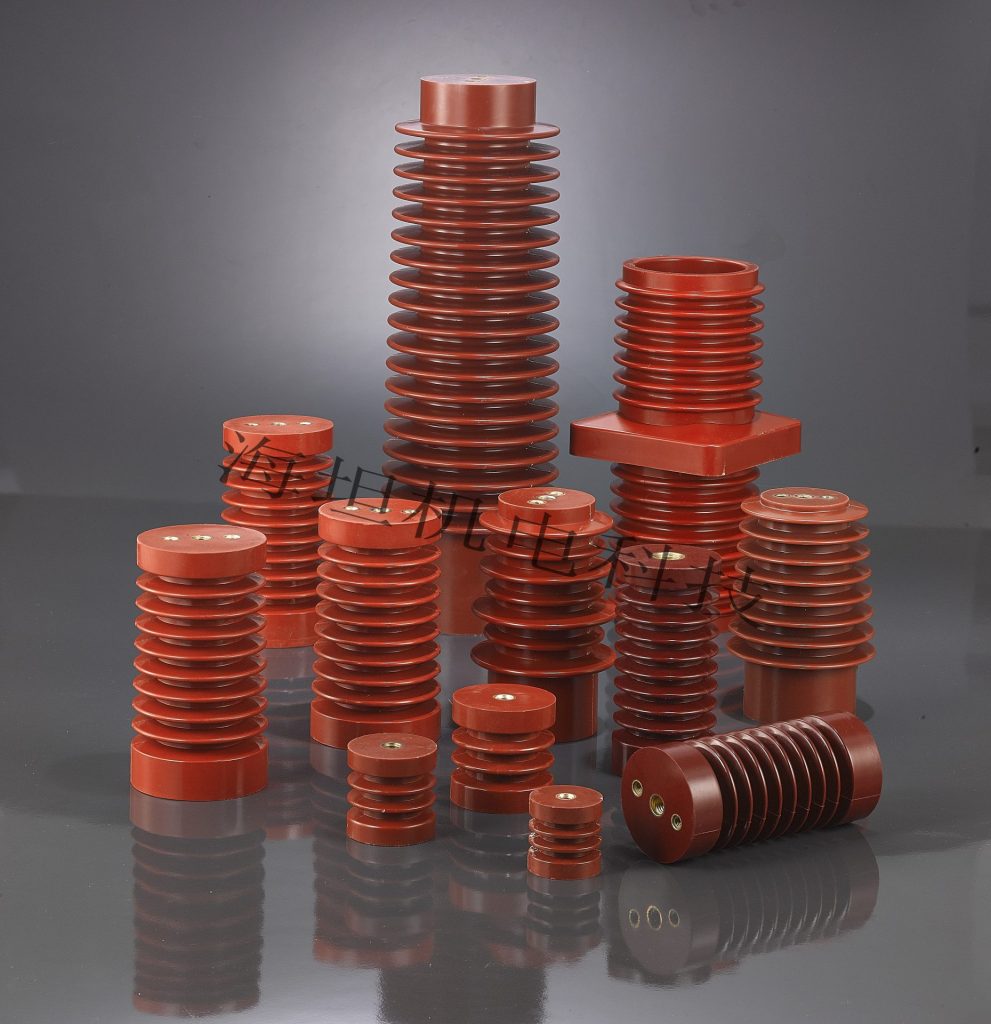
Maintenance Tips for Water-Resistant Hex Round Insulators to Ensure Long-Term Reliability
Blog | Phòng tin tức | Th3 19,2026
Giới thiệu
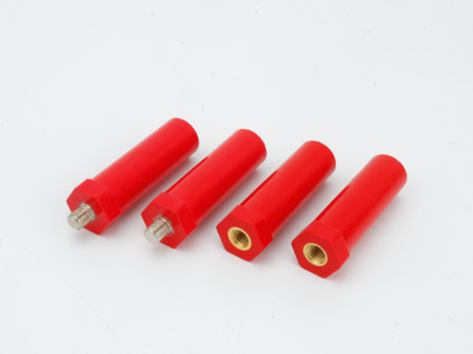
Water-resistant hex round insulators are essential components in electrical distribution systems, especially in environments exposed to moisture, humidity, or harsh industrial conditions. While these insulators are designed for durability and low maintenance, proper care can significantly extend their service life and ensure reliable performance. In this article, we share practical maintenance tips for water-resistant hex round insulators used in busbar systems.
Regular Visual Inspections
Even though water-resistant insulators are designed to withstand moisture, routine inspections are critical:
Check for Cracks or Chips: Mechanical stress, accidental impact, or thermal expansion can cause surface damage.
Inspect Surface Contamination: Dust, dirt, or chemical deposits can accumulate and reduce insulation performance.
Look for Signs of Corrosion: While the insulator itself is corrosion-resistant, nearby metallic components may affect overall system reliability.
Cleaning and Surface Care
Maintaining a clean insulator surface is vital for preventing leakage currents and flashover:
Use Non-Abrasive Cleaning Methods: Soft brushes or lint-free cloths with mild detergent solutions are recommended.
Avoid Harsh Chemicals: Strong acids or solvents may damage the water-resistant coating or resin material.
Dry Thoroughly After Cleaning: Moisture on the surface can reduce insulation effectiveness, even for water-resistant designs.
Check Mounting and Mechanical Stability
The hex round design provides mechanical strength, but proper installation is equally important:
Verify Fasteners: Ensure all bolts, nuts, and snap-fit components are secure and free from corrosion.
Check for Alignment: Misaligned busbars or insulators can create uneven stress, increasing the risk of mechanical failure.
Assess Load Distribution: Confirm that busbar weight is evenly supported by the insulators.
Environmental Monitoring
Even water-resistant insulators can be affected by extreme environmental conditions:
Monitor Temperature Fluctuations: Prolonged high temperatures can accelerate material aging.
Control Humidity: Ensure ventilation in enclosed cabinets to prevent condensation accumulation.
Assess Pollutant Exposure: Dust, chemicals, or industrial emissions may require more frequent inspections and cleaning.
Record-Keeping and Maintenance Logs
Maintaining detailed records improves reliability and predictive maintenance:
Document Inspections: Include dates, observations, and actions taken.
Track Cleaning and Repairs: Record any cleaning procedures or replacement of insulators.
Monitor Performance Metrics: Track electrical parameters like leakage current or insulation resistance if possible.
Replacement Guidelines
Despite proper maintenance, insulators may eventually degrade:
Replace Damaged Insulators Immediately: Cracks, severe contamination, or loss of structural integrity can compromise system safety.
Use Compatible Components: Ensure replacement insulators match the busbar size, voltage rating, and mounting design.
Follow Manufacturer Recommendations: Refer to the product datasheet for expected service life and replacement intervals.
Phần kết luận
Water-resistant hex round insulators are built to provide durability, mechanical strength, and reliable insulation in challenging environments. However, proper maintenance—including regular inspections, cleaning, mechanical checks, environmental monitoring, and record-keeping—is essential for long-term reliability. By following these best practices, electrical engineers and maintenance teams can maximize insulator performance, reduce downtime, and ensure safe operation of busbar systems.
Câu hỏi thường gặp
Q1: How often should water-resistant hex round insulators be inspected?
A: Visual inspections are recommended at least every 6–12 months. For outdoor, high-humidity, or industrial environments, inspections may need to be more frequent to detect damage or contamination early.
Q2: What should I look for during inspections?
A: Key points include:
Cracks, chips, or other mechanical damage
Surface contamination such as dust, dirt, or chemical deposits
Signs of corrosion on nearby metallic components
Misalignment or loose mounting affecting mechanical stability
Q3: How should insulators be cleaned?
A:
Use soft brushes or lint-free cloths with mild detergent solutions
Avoid harsh chemicals, acids, or solvents that may damage coatings or resin
Ensure the insulator is thoroughly dried after cleaning to maintain insulation performance
Q4: How do I check the mechanical stability of the insulators?
A:
Verify all mounting fasteners are secure and free of corrosion
Ensure busbars are properly aligned and load is evenly distributed
Check for any signs of bending, vibration damage, or stress concentrations
Q5: Are water-resistant insulators maintenance-free?
A: While water-resistant insulators reduce maintenance requirements, periodic inspection, cleaning, and mechanical checks are still necessary to ensure long-term reliability and prevent unexpected failures.
Q6: How does the environment affect maintenance frequency?
A: Harsh environments—such as high humidity, outdoor exposure, dust, chemical pollutants, or extreme temperatures—require more frequent inspections and cleaning to maintain performance.
Q7: When should an insulator be replaced?
A: Replace immediately if you notice:
Cracks, severe surface damage, or material degradation
Loss of mechanical strength or mounting stability
Persistent contamination that cannot be cleaned
Always use insulators compatible with the busbar’s voltage rating, size, and mounting design.
Q8: Should I keep maintenance records?
A: Yes. Document inspections, cleaning, repairs, and any replacements. Maintenance logs help track trends, plan proactive replacements, and ensure reliable busbar operation.
--- KẾT THÚC ---
 Email: [email protected]
 Số 20 đường Lingyun, Đông Phong
Khu công nghiệp, thị trấn Liushi, Nhạc Thanh
Thành phố, tỉnh Chiết Giang


© Bản quyền 2024 Công ty TNHH Công nghệ Cơ điện Haitan Trung Quốc. Mọi quyền được bảo lưu.HỖ TRỢ BỞI: JUNJ Chính sách bảo mật
 Vietnamese
  English (United States)
  English (South Africa)
  Arabic
  Belarusian
  Bengali
  Japanese
  Kazakh
  Korean
  Myanmar
  Russian
  Thai
Thai  Ukrainian
  Uzbek
Uzbek  Chinese