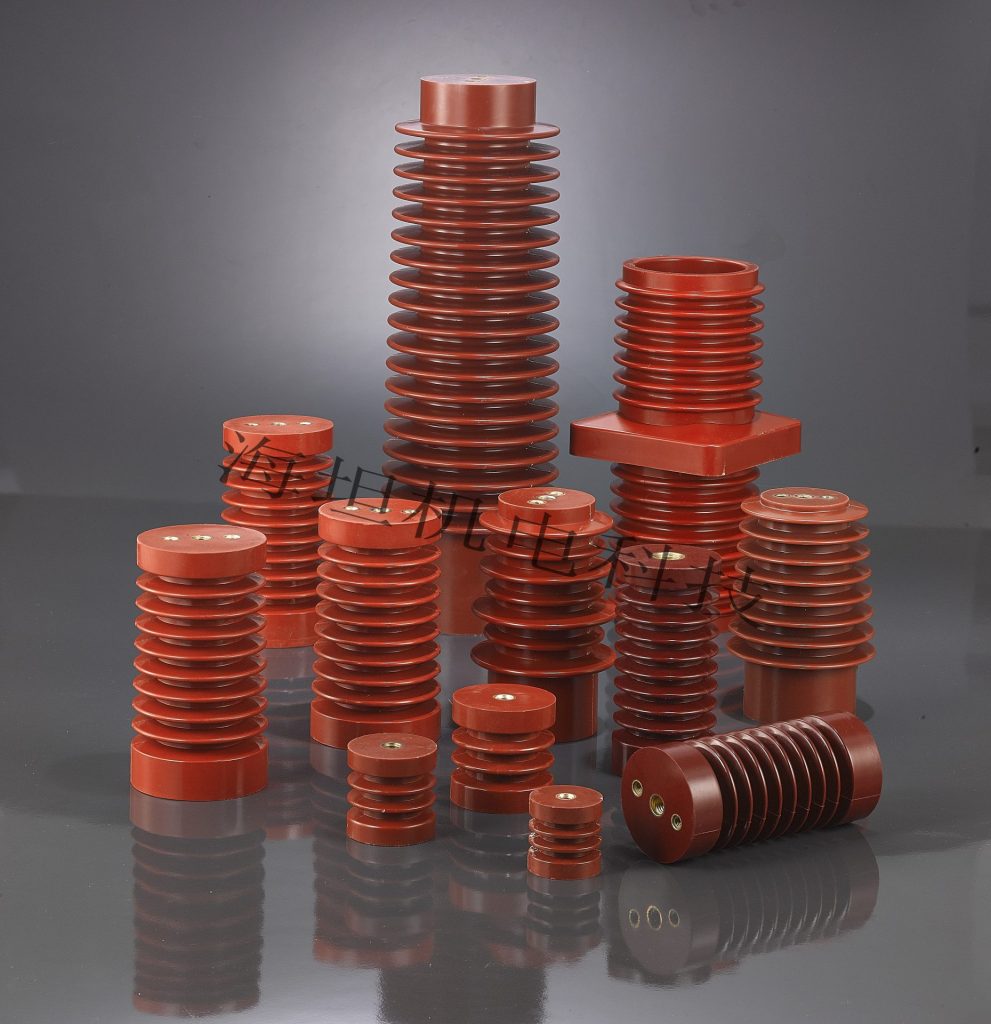
Long-Lasting Busbar Supports: How Material and Design Reduce Maintenance Costs
介绍
In power distribution systems, reliability is not just a preference—it is a necessity. Busbar supports are critical components that hold conductive bars in place while providing electrical insulation. Over time, the failure of these supports can lead to costly downtime, repairs, or even safety hazards. Fortunately, advances in materials and design, particularly the use of composite polyester, are revolutionizing busbar supports, reducing maintenance needs and extending operational life.
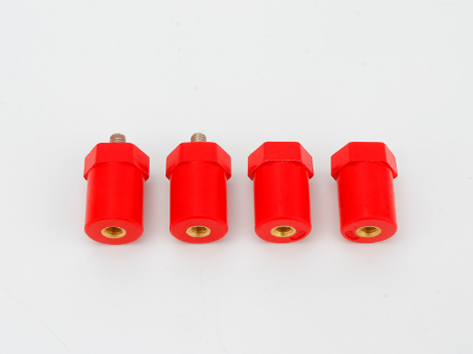
The Importance of Durable Busbar Supports
Busbars are the backbone of electrical distribution, channeling high currents safely throughout industrial, commercial, and renewable energy systems. The supports that hold these busbars must maintain mechanical stability and electrical isolation under constant stress. Traditional materials like ceramic or standard plastics often fail due to cracking, aging, or environmental degradation, leading to frequent maintenance and replacement costs.
Material Matters: Composite Polyester Advantages
Composite polyester has become the material of choice for modern busbar supports due to its exceptional properties:
Mechanical Strength: Capable of withstanding heavy loads and vibrations without deformation.
Thermal Stability: Maintains integrity even under high temperatures generated by high-current busbars.
电气绝缘: Offers excellent dielectric performance, preventing short circuits and arcing.
Environmental Resistance: Resists UV light, moisture, and chemical exposure, making it ideal for indoor and outdoor applications.
These characteristics ensure that busbar supports do not degrade quickly, significantly reducing the frequency of maintenance interventions.
Design Innovations: Beyond Material
While material selection is critical, design plays an equally important role in longevity and reliability. Modern busbar supports incorporate features such as:
Hex Round Screw Mounting: Ensures secure and precise installation, minimizing mechanical stress and vibration that could weaken the support over time.
Optimized Load Distribution: Designs that evenly distribute mechanical loads prevent stress concentration points, reducing the risk of cracks or deformation.
Compact and Modular Design: Facilitates easy inspection and replacement if needed, without requiring extensive downtime.
By combining intelligent design with high-performance materials, busbar supports become more robust and maintenance-friendly.
Cost Savings Through Reduced Maintenance
Investing in long-lasting busbar supports has immediate and long-term benefits:
Lower Inspection Frequency: Durable materials and strong designs mean fewer routine checks are required.
Reduced Replacement Costs: High-quality composite polyester supports can last significantly longer than ceramic or traditional plastic alternatives.
Minimized Downtime: Reliable supports prevent system failures that would otherwise halt operations and incur lost productivity.
Enhanced Safety: Fewer failures mean lower risk of electrical accidents, protecting personnel and equipment alike.
Real-World Applications
Composite polyester busbar supports with optimized design are used across multiple sectors:
Industrial Manufacturing: Maintaining safe and reliable power distribution in production plants.
Renewable Energy Systems: Solar and wind farms demand durable components capable of withstanding harsh environmental conditions.
Electric Vehicle Infrastructure: Fast-charging stations require supports that handle high current loads with minimal maintenance.
High-Voltage Switchgear: Ensuring long-term stability and safety in critical electrical distribution equipment.
结论
The combination of advanced composite polyester materials 和 intelligent design makes modern busbar supports a smart investment for any electrical system. By providing mechanical strength, thermal and environmental resistance, and reliable electrical isolation, these supports significantly reduce maintenance needs and long-term costs.
For engineers, facility managers, and utility operators, choosing durable busbar supports is not just about performance—it’s a strategy for operational efficiency, cost savings, and safety assurance.
常问问题
1. What are busbar supports and why are they important?
Answer: Busbar supports hold conductive busbars in place while providing electrical insulation. They ensure safe, reliable power distribution and prevent short circuits, arcing, or mechanical failure.
2. How does material affect busbar support longevity?
Answer: The choice of material is critical. Composite polyester offers high mechanical strength, thermal stability, and environmental resistance, making it far more durable than ceramic or standard plastic alternatives. This longevity reduces maintenance frequency and replacement costs.
3. What role does design play in reducing maintenance costs?
Answer: Design innovations—such as hex round screw mounting, optimized load distribution, and modular structures—ensure secure installation, even stress distribution, and easy inspection or replacement. Together with durable materials, this minimizes failure risks and maintenance needs.
4. Can composite polyester busbar supports withstand high temperatures?
Answer: Yes. Composite polyester maintains mechanical integrity and insulation performance under high temperatures generated by heavy-current busbars, preventing deformation or electrical failure.
5. Are these supports suitable for outdoor or harsh environments?
Answer: Absolutely. They resist UV radiation, moisture, and chemical corrosion, making them ideal for industrial plants, renewable energy installations, and outdoor electrical systems.
6. How long can these busbar supports last?
Answer: Properly installed composite polyester supports can last many years, significantly outlasting traditional ceramic or plastic options, reducing both maintenance costs and operational downtime.
7. What industries benefit most from long-lasting busbar supports?
Answer:
Industrial manufacturing facilities
Renewable energy systems (solar and wind)
Electric vehicle charging infrastructure
High-voltage switchgear and substations
8. Do these supports improve safety as well as reduce costs?
Answer: Yes. Durable materials and thoughtful design reduce the risk of short circuits, arcing, and mechanical failure, enhancing safety for personnel and equipment while lowering maintenance expenses.
- - 结尾 - -
 邮箱:
邮箱: 东风市凌云路20号

 Chinese
  English (United States)
  English (South Africa)
  Arabic
  Belarusian
  Bengali
  Japanese
  Kazakh
  Korean
  Myanmar
  Russian
  Thai
Thai  Ukrainian
  Uzbek
Uzbek  Vietnamese