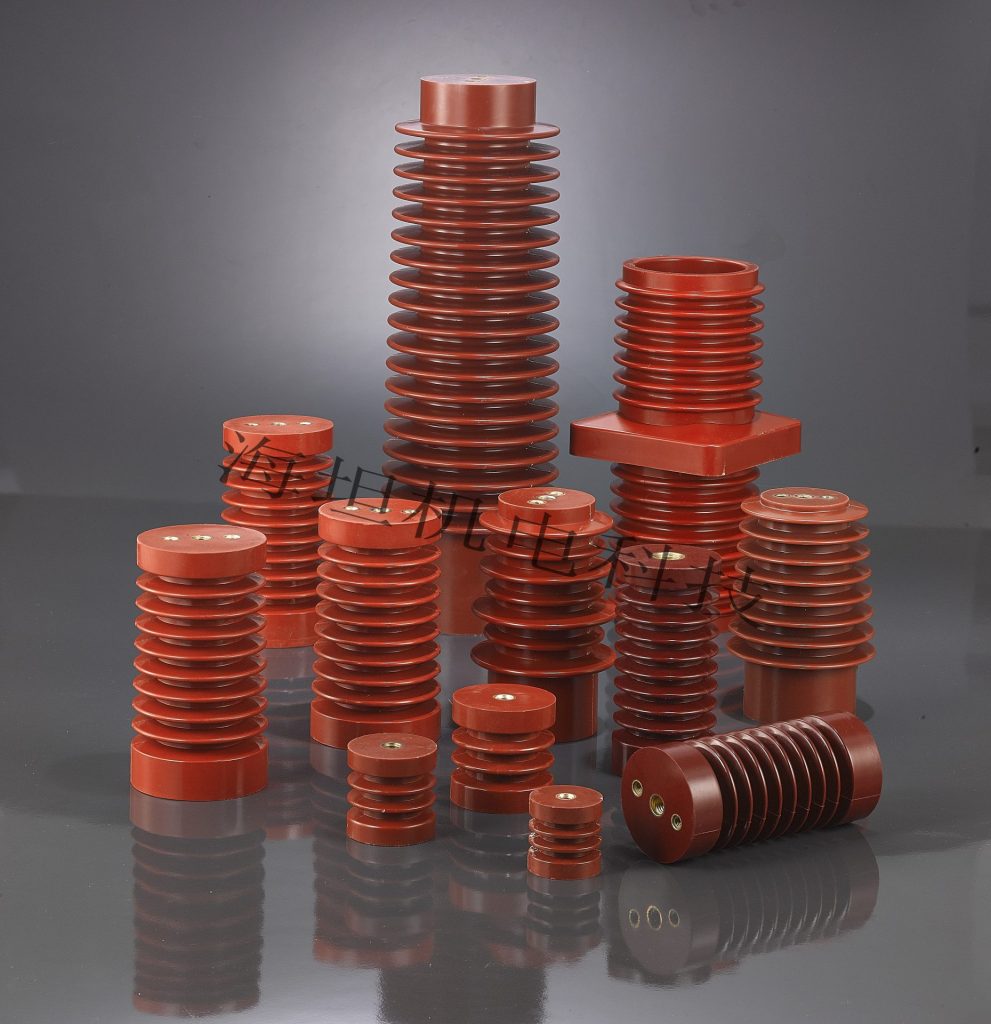
Why Standoff Busbar Support Insulators Are Critical for Safe and Stable Power Distribution
介绍
In any electrical distribution system—whether in industrial plants, commercial facilities, or compact control panels—the stability and safety of busbars are directly linked to the components supporting them. Among these essential components, Standoff Busbar Support Insulators play an irreplaceable role. They ensure proper spacing, structural firmness, electrical insulation, and long-term reliability of busbar networks.
This article explains why standoff busbar support insulators are critical for safe and stable power distribution, how they function, and what benefits they deliver in modern electrical engineering.
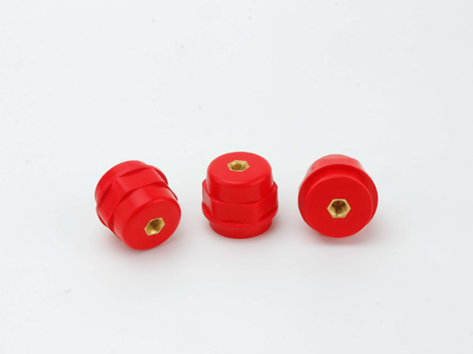
What Are Standoff Busbar Support Insulators?
一个 Standoff Busbar Support Insulator is a structural and insulating component designed to:
Support busbars mechanically
Maintain safe clearance between conductive parts
Prevent accidental electrical contact
Withstand thermal, mechanical, and electrical stress
Ensure long-term system stability in low- and medium-voltage applications
They are commonly made from high-strength, high-insulation materials such as DMC(面团模塑料), BMC(块状模塑料), porcelain, or phenolic resin—materials known for flame resistance and excellent dielectric properties.
Why They Matter: The Safety and Stability Factors
Standoff busbar support insulators are more than just mounting parts. They directly influence how safely and efficiently electrical power flows through a system. Here’s why they are indispensable:
Ensures Proper Electrical Insulation
Busbars run high currents in compact spaces. Without proper insulation and spacing:
Short circuits
Phase-to-phase faults
Arcing
Fire hazards
can easily occur.
Standoff insulators provide:
Adequate 爬电距离
Appropriate clearance distance
Reliable 介电强度
—ensuring safe separation even under high voltage stress or in humid environments.
Provides Structural Stability Under Mechanical Loads
Busbars are heavy conductors. They are also subjected to:
Electrodynamic forces during short-circuit conditions
Thermal expansion caused by high current
Vibration in industrial environments
Standoff insulators maintain busbar alignment and rigidity, preventing bending or displacement that could lead to system failure.
Improves System Lifespan and Reliability
High-quality standoff busbar support insulators help reduce:
Equipment downtime
Maintenance frequency
Component wear
They ensure long-term performance by resisting:
Heat
Mechanical stress
Aging
Moisture and pollutants
This significantly extends the lifespan of switchgear, distribution boxes, and control cabinets.
Enhances Safety Compliance and Standards
Electrical systems must comply with:
IEC standards
UL standards
Industry-specific safety codes
Using certified standoff insulators ensures your distribution system meets regulatory insulation and separation requirements—an essential step in passing inspections and ensuring operational safety.
Key Features to Look for in Standoff Busbar Support Insulators
When selecting insulators, engineers should consider:
Material quality (DMC/BMC, polymer, porcelain)
Rated voltage & insulation strength
Mechanical load and torque resistance
耐热性和阻燃性
Creepage and clearance distance
Surface hardness and impact resistance
Corrosion resistance
These features ensure the insulators perform reliably across multiple environments and current loads.
Applications Across Industries
Standoff busbar support insulators 广泛应用于:
低压开关柜
Distribution boxes and cabinets
Control panels
Power factor correction devices
Inverters and UPS systems
Renewable energy distribution (solar, wind)
Industrial equipment and motor control centers (MCCs)
Any application where multiple conductors run close together requires reliable insulation and mechanical support.
结论
Standoff Busbar Support Insulators are vital components that ensure electrical systems are safe, stable, and long-lasting.
Without them, busbar networks would be prone to mechanical failure, electrical faults, and dangerous operating conditions.
By maintaining proper alignment, spacing, and insulation, these insulators ultimately protect both equipment and personnel—making them essential in modern power distribution infrastructure.
常问问题
What materials are typically used for standoff insulators?
Common materials include DMC/BMC composite, epoxy resin, porcelain, and reinforced thermoset plastics.
Are standoff busbar insulators suitable for high temperatures?
Yes. High-quality insulators are designed to withstand elevated temperatures and thermal cycling caused by current flow.
Can they be used in outdoor applications?
Some models are suitable if made from UV-resistant and moisture-resistant materials, but selection depends on the operating environment.
How do I choose the correct insulator size?
Selection should be based on busbar width, system voltage, mechanical load, and mounting design.
Do standoff insulators help prevent short circuits?
Absolutely. Their insulation and spacing properties significantly reduce the risk of electrical faults and arcing.
- - 结尾 - -
 邮箱:
邮箱: 东风市凌云路20号

 Chinese
  English (United States)
  English (South Africa)
  Arabic
  Belarusian
  Bengali
  Japanese
  Kazakh
  Korean
  Myanmar
  Russian
  Thai
Thai  Ukrainian
  Uzbek
Uzbek  Vietnamese