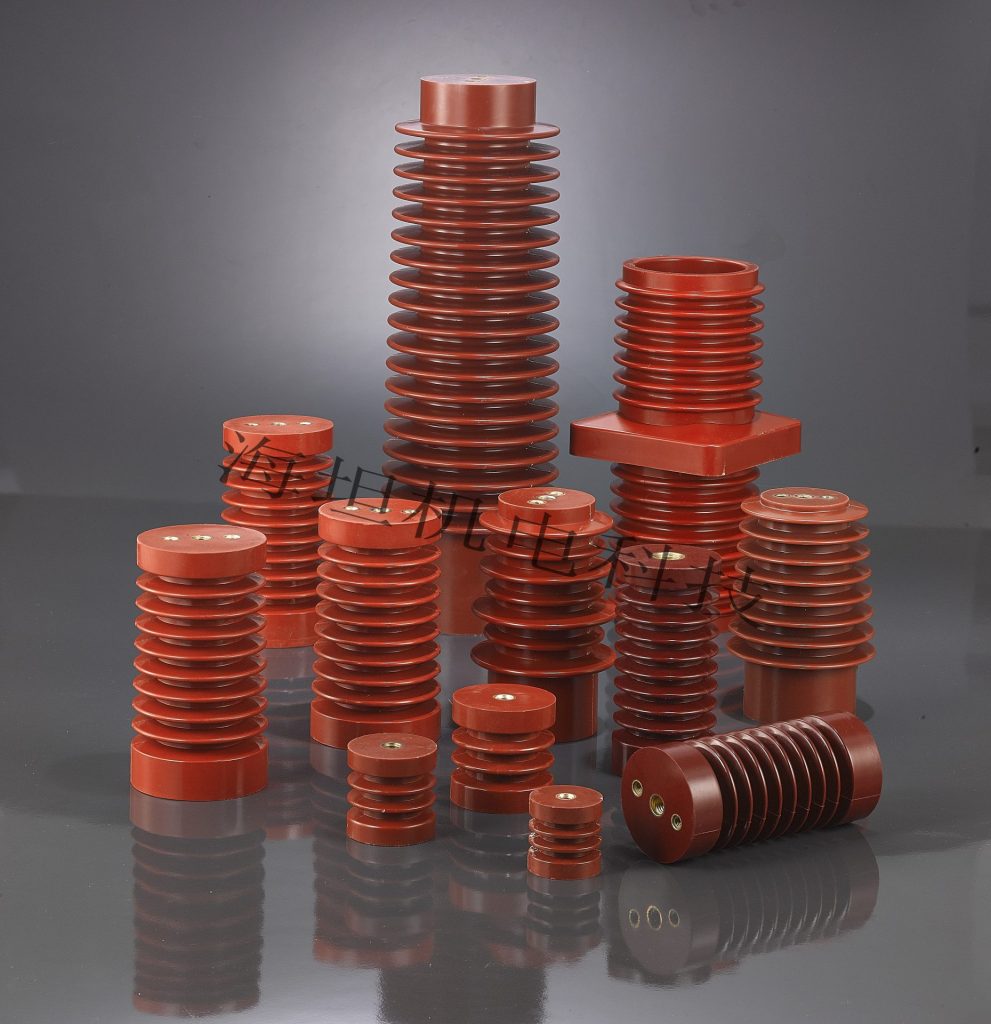
CY Insulator vs Other Electrical Insulators: What’s the Difference?
介绍
In low-voltage power distribution systems, electrical insulators play a critical role in ensuring safety, stability, and long-term reliability. With various insulator types available on the market—such as porcelain, epoxy, nylon, and composite materials—choosing the right solution can be challenging. Among these options, CY绝缘子 have become a preferred choice for many industrial and commercial applications.
This article explores the key differences between CY insulators and other common electrical insulators, helping engineers and system designers make informed decisions.
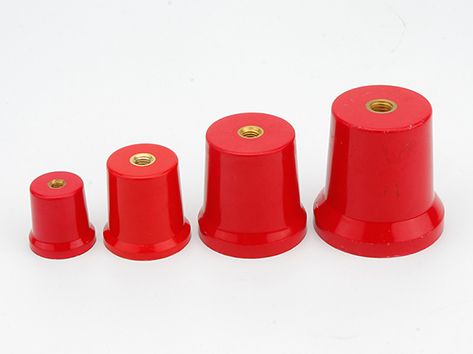
What Is a CY Insulator?
一个 CY insulator is a type of low-voltage support insulator typically manufactured from DMC(面团模塑料) or similar thermosetting composite materials. It is designed to provide both electrical insulation and mechanical support for busbars, conductors, and live components in switchgear, control panels, and distribution boards.
CY insulators are widely used in environments that require high dielectric strength, good heat resistance, and strong mechanical stability.
Overview of Common Electrical Insulator Types
Before comparing performance, it is important to understand the most common insulator materials used in electrical systems:
瓷绝缘子 – Traditional ceramic insulators with good insulation but high brittleness
环氧树脂绝缘子 – Molded resin insulators with good surface finish and insulation
Nylon / Plastic Insulators – Lightweight and cost-effective, suitable for light-duty applications
Composite Insulators (DMC/BMC) – Reinforced materials combining electrical, thermal, and mechanical strength
CY insulators fall into the composite insulator category, offering a balanced performance profile.
CY Insulator vs Porcelain Insulators
Porcelain insulators have been used for decades, especially in high-voltage outdoor systems. However, in low-voltage and enclosed applications, CY insulators provide several advantages.
Key Differences:
Mechanical Strength: CY insulators are more impact-resistant and less prone to cracking
Weight: CY insulators are significantly lighter, reducing installation stress
安全: CY绝缘子 do not shatter under mechanical shock
Installation: Easier handling and faster assembly with CY insulators
Porcelain remains suitable for certain outdoor or high-voltage environments, but CY insulators are more practical for modern low-voltage panels.
CY Insulator vs Epoxy Resin Insulators
Epoxy resin insulators are popular for their smooth appearance and decent electrical performance. However, they may degrade under continuous heat or long-term electrical stress.
Key Differences:
Heat Resistance: CY insulators made from DMC perform better at elevated temperatures
Aging Performance: CY insulators offer superior resistance to thermal aging and deformation
Mechanical Stability: CY insulators maintain strength under vibration and load
Service Life: Longer operational lifespan in demanding industrial environments
For applications with frequent thermal cycling or continuous current load, CY insulators provide better long-term reliability.
CY Insulator vs Nylon and Plastic Insulators
Plastic and nylon insulators are often chosen for low-cost or light-duty installations. While suitable for basic insulation needs, their limitations become apparent in industrial systems.
Key Differences:
Dielectric Strength: CY insulators offer higher and more stable insulation performance
Flame Resistance: CY insulators typically meet higher flame-retardant standards
Load Capacity: CY insulators support heavier busbars and conductors
Environmental Resistance: Better resistance to heat, humidity, and chemicals
For critical electrical infrastructure, CY insulators outperform standard plastic alternatives.
Key Advantages of CY Insulators
Compared with other electrical insulators, CY insulators stand out due to the following benefits:
High dielectric strength for safe insulation
Excellent mechanical load-bearing capacity
Strong heat and arc resistance
Long service life with minimal maintenance
Consistent performance in industrial environments
These characteristics make CY insulators ideal for switchgear, control cabinets, power distribution panels, and busbar support systems.
How to Choose the Right Insulator for Your Application
When selecting an electrical insulator, consider the following factors:
Operating voltage and current
Mechanical load requirements
Ambient temperature and ventilation
Installation environment (industrial, commercial, indoor)
Compliance with safety standards and certifications
If your application demands both electrical safety and mechanical reliability, CY insulators are often the most balanced and cost-effective solution.
结论
While traditional insulators such as porcelain, epoxy, and plastic still have their place, CY绝缘子 offer a superior combination of insulation performance, mechanical strength, and durability for modern low-voltage electrical systems. Understanding the differences helps engineers and buyers select the right insulator—ensuring safer operation, reduced maintenance, and longer system life.
As electrical systems continue to evolve toward higher efficiency and compact designs, CY insulators are becoming an increasingly important component in reliable power distribution.
常问问题
What is a CY insulator mainly used for?
CY insulators are mainly used in low-voltage power distribution systems to support and insulate busbars, conductors, and live electrical components. They are commonly found in switchgear, control panels, distribution boards, and electrical cabinets, where both mechanical strength and electrical insulation are required.
Is a CY insulator better than a porcelain insulator?
For low-voltage indoor applications, CY insulators are generally a better choice than porcelain insulators. CY insulators are lighter, more impact-resistant, and safer to handle, while porcelain insulators are brittle and more prone to cracking under mechanical stress. Porcelain is still used in some outdoor or high-voltage applications, but CY insulators are more suitable for modern compact electrical panels.
What material is a CY insulator made of?
Most CY insulators are made from DMC(面团模塑料) or similar thermosetting composite materials. These materials provide excellent dielectric strength, heat resistance, flame retardancy, and mechanical durability, making them ideal for long-term industrial use.
How does a CY insulator compare with epoxy resin insulators?
Compared to epoxy resin insulators, CY insulators offer better heat resistance and long-term aging performance. Epoxy resin may deform or degrade under continuous thermal stress, while CY insulators maintain stable mechanical and electrical properties in high-load and high-temperature environments.
Can CY insulators replace plastic or nylon insulators?
Yes, in most industrial and commercial applications, CY insulators can effectively replace plastic or nylon insulators. CY insulators provide higher load capacity, better flame resistance, and more stable insulation performance, making them more suitable for critical electrical installations.
Are CY insulators suitable for high-temperature environments?
CY insulators made from DMC materials are well-suited for elevated temperature environments. They perform reliably under continuous heat generated by current flow and offer good resistance to thermal aging, which helps extend the service life of electrical systems.
Do CY insulators require regular maintenance?
CY insulators typically require minimal maintenance. Periodic visual inspection for surface damage, contamination, or loose mounting hardware is usually sufficient. Their durable material properties help reduce maintenance frequency and system downtime.
- - 结尾 - -
 邮箱:
邮箱: 东风市凌云路20号

 Chinese
  English (United States)
  English (South Africa)
  Arabic
  Belarusian
  Bengali
  Japanese
  Kazakh
  Korean
  Myanmar
  Russian
  Thai
Thai  Ukrainian
  Uzbek
Uzbek  Vietnamese