The Complete Energy Storage Connectors Sourcing Guide
介绍
When a tiny connection fails, a million-dollar battery system can stop instantly. In high-voltage solar and battery setups, choosing the wrong plug leads to melted cabinets and costly downtime. This guide breaks down how high-protection power interfaces keep your commercial energy storage installations safe, efficient, and running smoothly for years.
What Is an Energy Storage Connector and How Does It Work
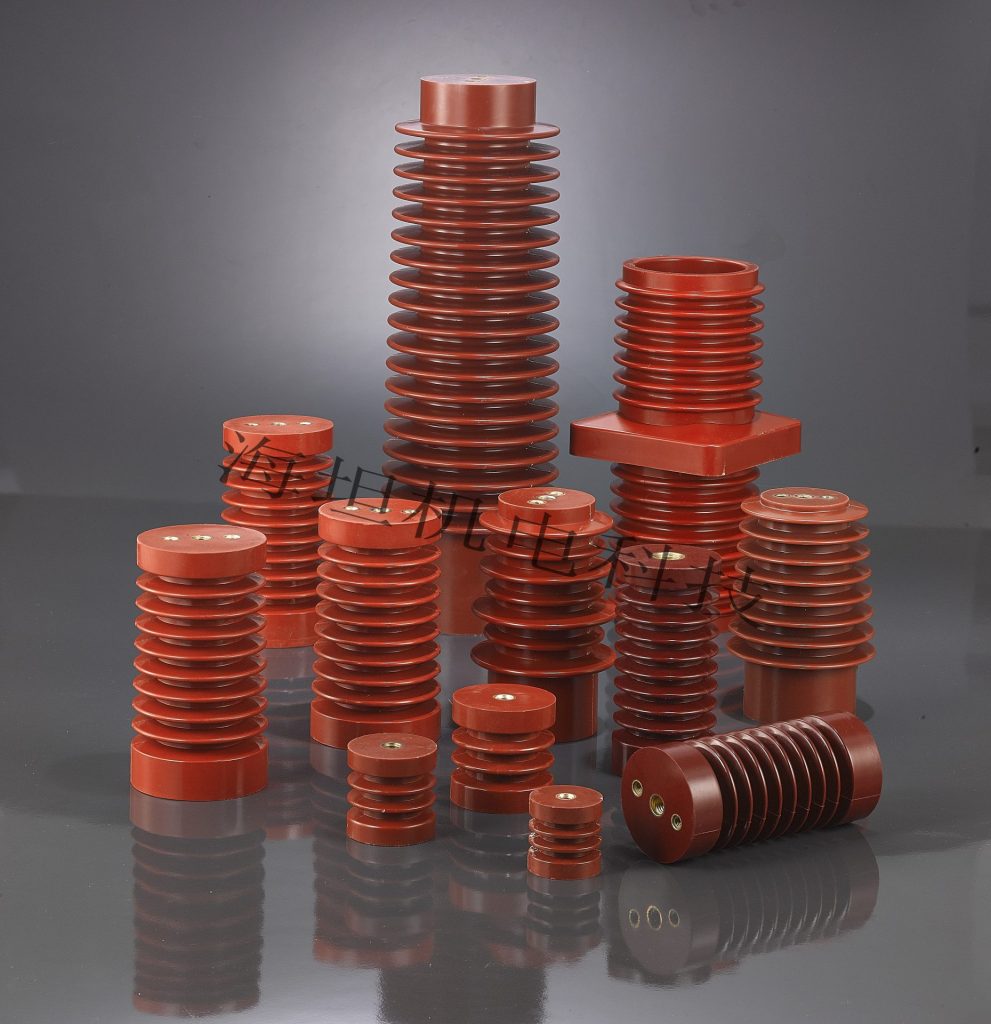
An energy storage connector is a rugged power terminal designed to pass heavy direct current between battery modules and power conversion systems. Think of it as the heavy-duty highway for electricity inside a battery container. It replaces old-fashioned bolted copper bars with a safer, faster plug-in design. Inside the cabinet, these power lines are structurally secured using high-strength busbar supports to withstand electrical and mechanical stress.
3 Core Components
The Insulated Housing: The outer plastic shell, typically made of high-grade nylon or PBT. It shields internal live parts from dust and moisture while keeping technicians safe from high-voltage shocks.
The Battery Connector Contacts: The internal metal pins and sockets that touch each other to transfer power. These are the most critical parts for electrical efficiency.
The Locking Mechanism: A quick-connect snap or twist lock that keeps the male plug and female socket tightly pressed together so they cannot pull apart by accident.
The Working Principle: Managing High-Current Transfer
The core job of an ess connector is to move hundreds of amps of current without dropping voltage or generating heat. When you push the plug into the socket, specialized internal spring bands squeeze the mating pins with constant physical force.
This tight physical grip minimizes contact resistance. Lower resistance means electricity flows effortlessly across the metal interface, keeping the entire power cabinet running cool and safe during heavy charging and discharging cycles.
What Are the Main Types of Battery Storage Connectors
Every battery container design has unique space limits and power needs. Because of this, manufacturers create a few distinct styles of the standard battery storage connector to fit different assembly setups.
Single-Core Layouts
Single-core high-protection plugs carry just one line of power—either positive or negative. In large industrial projects, keeping the positive and negative cables completely separated into individual plastic housings reduces the risk of an internal short circuit to nearly zero.
90-Degree Right-Angle Plugs
Space is money inside a battery rack. Right-angle plugs turn the heavy cable sideways the moment it leaves the battery module faceplate. This smart shape stops thick, stiff wires from sticking straight out, making it easy to route high-voltage lines directly into industrial wiring ducts so installation teams can close cabinet doors without pinching cables.
Panel Mount Sockets vs. Inline Plugs
Panel mount sockets are bolted directly onto the metal face of a battery pack, marked clearly as B+, B-, P+, or P-. Inline plugs are crimped onto the ends of the flexible power cables. Technicians typically apply flame-retardant heat shrink tubes over these crimped joints to ensure seamless insulation and complete heavy-duty sealing before building modular battery racks.
How Does an Energy Storage Connector Safeguard Battery Racks
Safety on a commercial power site is all about removing human error from the equation. High-voltage DC systems can be incredibly unforgiving, so these components use smart mechanical designs to protect both the equipment and the workers.
Color Coding and Physical Keying: Positive terminals use bright orange housings, while negative terminals use black. Beyond the color, the plastic shells have unique ridges molded into them. This physical block makes it impossible to accidently force an orange positive plug into a black negative socket.
Touch-Proof Insulation Barriers: Even when a cable is unplugged and live with 1500V DC, you cannot touch the metal inside. The plastic housings feature recessed slotted openings that block fingers, screwdrivers, or dropped bolts from touching live electrical parts.
Positive Lock Feedback: When an installer pushes the plug home, a clear clicking sound signals that the lock has engaged. This feedback guarantees the connection is complete, preventing loose plugs that can cause electrical arcs.
How Do Premium Battery Connector Contacts Prevent Thermal Failures
Heat is the ultimate enemy of electrical components. If the internal metal surfaces inside a plug lose their tight connection, resistance climbs, temperatures spike, and the plastic shell can quickly melt or catch fire.
The Threat of Low-Grade Materials
Cheap brass or tin alloys oxidize quickly when exposed to air and heat. This oxidation layer acts like a thin blanket of insulation inside the plug, forcing the electricity to fight its way through. Under a continuous 200A or 300A load, this struggle creates rapid temperature rise that can ruin an entire battery module.
Engineering Low-Resistance Contacts
High-quality terminals are machined from pure purple copper, which offers exceptional natural conductivity. The copper is then plated with a thick layer of silver. Silver provides the lowest contact resistance of any metal and stops surface oxidation from forming over decades of active service.
Furthermore, these contacts use internal crown-band louvers. These tiny, flexible metal louvers act like dozens of independent leaf springs inside the socket, maintaining even physical pressure on the mating pin even if the cable gets pulled or twisted.
Why Is a High-Protection Design Critical for Harsh Environments
Industrial battery systems face brutal real-world conditions. They operate in dusty deserts, humid coastal regions, and freezing mountain landscapes. Standard commercial plugs simply cannot survive these environments.
Blocking Condensation and Moisture: Outdoor battery containers heat up during the day and cool down fast at night. This temperature swing creates internal humidity and water droplets. High-protection plugs use premium silicone rubber O-rings to create an airtight seal, keeping water from shorting out the electrical grid. For comprehensive container sealing, engineering teams also rely on heavy-duty cable glands to protect every wire entry point against dust and driving rain.
Defeating Constant Vibration: Transformers and cooling fans create a continuous, low-frequency hum throughout a battery rack. Over time, this shaking can back out traditional screw-type terminal blocks. Quick-lock snap mechanisms absorb this vibration, keeping the electrical path perfectly stable.
Resisting Chemical and UV Damage: Sunlight and air can turn cheap plastics brittle in just a few years. Rugged connectors use UV-stabilized, impact-resistant resins that will not crack or degrade over a 25-year system lifespan.
4 Design Standards for Testing a Battery Storage Connector
Before you clear a component for your bill of materials, you need to verify its laboratory test data. Look for test results that validate these four crucial industrial performance benchmarks.
| Design Standard | Test Procedure | Why It Matters to Your Project |
| Temperature Rise Test | Run the plug at full rated current (e.g., 200A or 350A) continuously until temperatures stabilize. | Guarantees the terminal stays cool under maximum load, preventing thermal runaway. |
| Ingress Protection (IP67/IP68) | Submerge the mated connection under water for an extended period. | Proves that dust, rain, and internal cabinet condensation cannot penetrate the seal. |
| Dielectric Withstand Voltage | Apply a high-voltage AC surge (often over 5000V) between live parts and the outer shell. | Ensures the plastic housing will never allow a dangerous electrical arc to jump to the metal rack. |
| Mechanical Endurance Test | Use automated machinery to repeatedly plug and unplug the terminal over 100 times. | Confirms the internal spring contacts maintain their tight grip and low resistance over years of service. |
结论
Connectors are small parts, but they hold the keys to your system safety and performance. Sourcing heavy-duty, certified interfaces protects your equipment, your installers, and your long-term business investment.
Ready to upgrade your battery rack connection safety? Contact Haitan for custom product samples today.
常见问题解答
What is the standard mating cycle lifespan for these plugs?
Industrial plugs are typically rated for over 100 mating cycles, easily covering standard maintenance needs over 20 years.
Can I mix different brands of plugs and sockets?
No. Always pair matching plugs and sockets from the same manufacturer to ensure a perfect mechanical and electrical fit.
Why is silver plating preferred over gold for high-current contacts?
Silver offers superior electrical conductivity and thermal performance, making it more efficient and cost-effective for high-amperage industrial applications.
What does the IP2X touch-proof standard mean?
It means the plastic housing features slots small enough to prevent fingers or tools from touching live electrical parts.
How does a right-angle design save space in battery racks?
It routes the heavy cable sideways immediately, reducing bending clearance needs so you can use slimmer cabinet designs.
Do these connectors support 1500V DC energy storage architectures?
Yes, high-protection single-core models are specifically insulated to handle the high electrical stress of 1500V DC utility grids.
Why are orange and black used for the plastic shells?
This is the global safety color standard, letting crews visually identify positive (orange) and negative (black) lines instantly.
What happens if a connector has high contact resistance?
High resistance creates localized heat, which can trigger thermal failure, melt components, and cause system fire hazards.
- - 结尾 - -
 邮箱:
邮箱: 东风市凌云路20号

 Chinese
  English (United States)
  English (South Africa)
  Arabic
  Belarusian
  Bengali
  Japanese
  Kazakh
  Korean
  Myanmar
  Russian
  Thai
Thai  Ukrainian
  Uzbek
Uzbek  Vietnamese