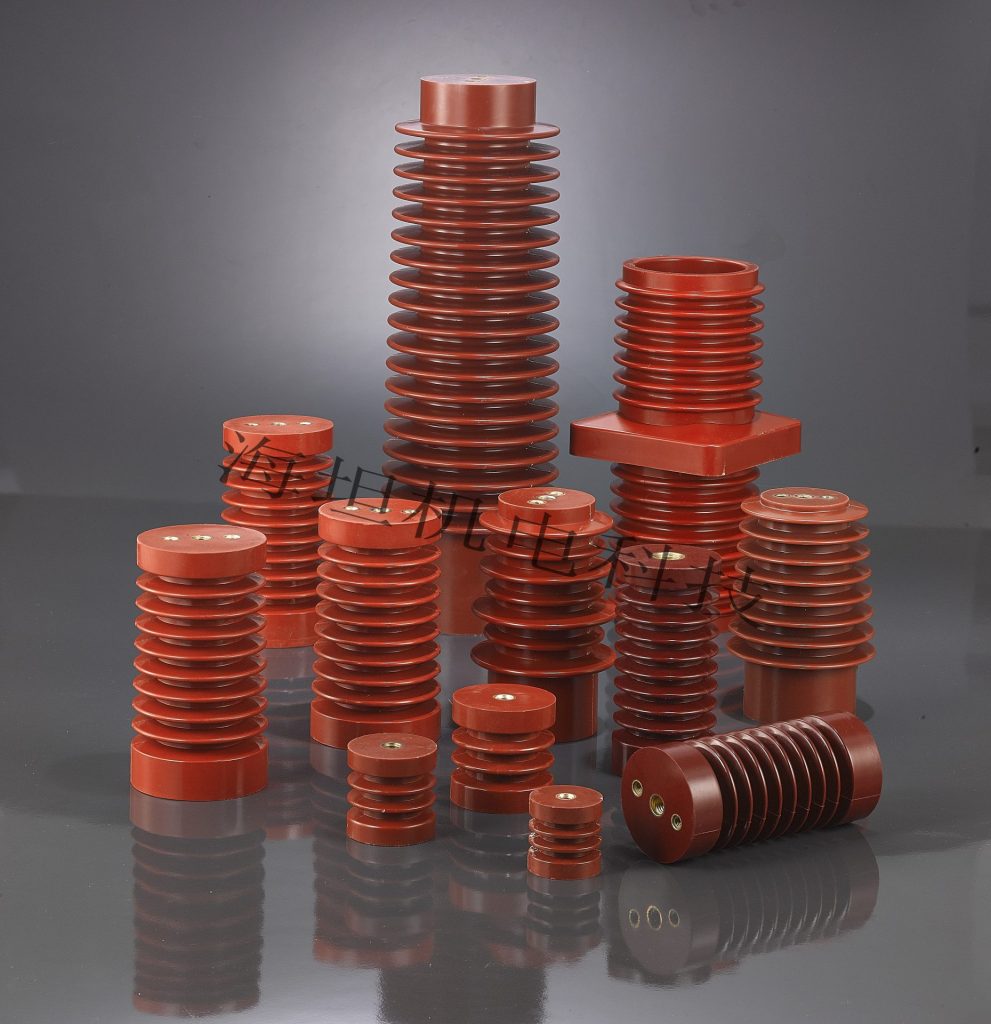
Advantages of Using Water-Resistant Hex Round Insulators in Electrical Distribution Systems
Introduction
In modern electrical distribution systems, ensuring reliable insulation and safety is critical, especially in environments prone to moisture, rain, or humidity. Water-resistant hex round insulators for busbars have become essential components in maintaining system performance and preventing electrical failures. In this article, we explore the advantages of using these insulators in electrical distribution systems.
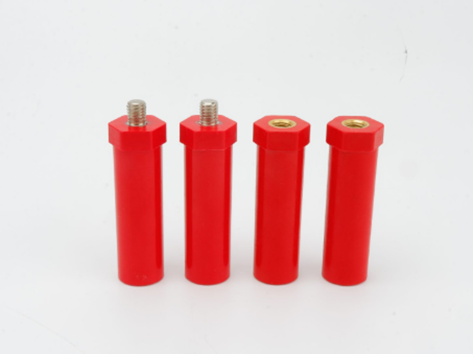
Superior Water Resistance for Reliable Performance
One of the main benefits of water-resistant hex round insulators is their ability to perform reliably in wet or humid environments. Electrical distribution systems installed outdoors or in industrial facilities often face exposure to rain, condensation, or splashed liquids. Water-resistant insulators:
Prevent leakage currents and flashovers caused by moisture
Maintain insulation integrity even under prolonged wet conditions
Reduce the risk of short circuits and electrical hazards
By ensuring consistent performance under challenging conditions, these insulators improve the overall reliability and safety of the electrical distribution network.
Compact Hex Round Design for Enhanced Stability
The hexagonal or round design of these busbar insulators provides both mechanical strength and installation flexibility. Key advantages of the hex round structure include:
Even distribution of mechanical stress, reducing the risk of cracking or deformation
Compatibility with various busbar configurations and mounting options
Easier installation in compact electrical cabinets or dense switchgear layouts
This structural efficiency allows engineers to design more compact and organized electrical panels without compromising safety.
High Mechanical Strength and Durability
Water-resistant hex round insulators are typically made from high-quality dielectric composite materials (DMC) or reinforced resins, which provide:
Exceptional mechanical strength to support heavy busbars
Resistance to aging, UV radiation, and thermal stress
Long service life with minimal maintenance
Their durability ensures that the electrical distribution system remains operational for years, even in harsh industrial or outdoor conditions.
Improved Safety in Electrical Distribution Systems
Safety is a top priority in electrical systems, and water-resistant hex round insulators enhance protection for both personnel and equipment. They:
Prevent electrical arcs and accidental contact with live busbars
Reduce the risk of corrosion-related failures caused by moisture
Contribute to regulatory compliance with insulation and safety standards
By incorporating these insulators, engineers can significantly lower the likelihood of equipment downtime and safety incidents.
Versatile Applications Across Industries
Water-resistant hex round insulators are suitable for a wide range of applications, including:
Industrial factories and manufacturing plants
Outdoor power distribution and utility substations
Renewable energy systems, such as solar and wind farms
Compact indoor switchgear and control panels
Their versatility makes them a practical choice for any environment where moisture, electrical safety, and mechanical stability are concerns.
Conclusion
Water-resistant hex round insulators are a critical component in modern electrical distribution systems, combining moisture resistance, mechanical strength, and compact design. By using these insulators, electrical engineers can enhance system reliability, improve safety, and reduce maintenance costs. Whether for industrial facilities, outdoor substations, or compact switchgear, water-resistant hex round insulators provide a dependable solution for high-performance electrical distribution.
FAQ
Q1: What is a water-resistant hex round insulator?
A: A water-resistant hex round insulator is a busbar insulator designed with a hexagonal or round shape and made from moisture-resistant dielectric materials. It ensures electrical insulation and mechanical stability in environments exposed to water, humidity, or condensation.
Q2: Why are water-resistant insulators important in electrical distribution systems?
A: Moisture can cause leakage currents, short circuits, or flashovers, leading to equipment failure or safety hazards. Water-resistant insulators maintain insulation integrity and protect electrical systems in wet or humid conditions.
Q3: What are the advantages of the hex round design?
A:
Distributes mechanical stress evenly to prevent cracking or deformation
Supports various busbar sizes and mounting configurations
Enables installation in compact cabinets or dense switchgear layouts
Q4: What materials are used for these insulators?
A: High-quality dielectric composite materials (DMC), reinforced resins, or epoxy-based composites are commonly used. These materials provide excellent water resistance, mechanical strength, thermal stability, and long-term durability.
Q5: Where can water-resistant hex round insulators be used?
A: They are suitable for:
Industrial plants and factories
Outdoor power distribution systems and substations
Renewable energy systems like solar and wind
Compact indoor switchgear and control panels
Q6: How do these insulators improve safety?
A: They prevent electrical arcs, accidental contact with live busbars, and moisture-related corrosion, reducing the risk of equipment failure and protecting personnel from electrical hazards.
Q7: Are they easy to install and maintain?
A: Yes. Hex round insulators are designed for modular installation, often with standardized mounting interfaces, making assembly and replacement simple. Their water-resistant materials also minimize maintenance requirements.
Q8: Can they withstand harsh environmental conditions?
A: Yes. These insulators are engineered to resist moisture, UV exposure, temperature variations, and industrial pollutants, ensuring long-term performance even in challenging environments.
--- END ---
 E-mail: [email protected]
 No. 20 Lingyun Road, Dongfeng
Industrial Zone, Liushi Town, Yueqing
City,Zhejiang Province


© Copyright 2024 China Haitan Electromechanical Technology Co., Ltd. All rights reserved.SUPPORT BY:JUNJ Privacy Policy
 English (South Africa)
  English (United States)
  Arabic
  Belarusian
  Bengali
  Japanese
  Kazakh
  Korean
  Myanmar
  Russian
  Thai
Thai  Ukrainian
  Uzbek
Uzbek  Vietnamese
  Chinese