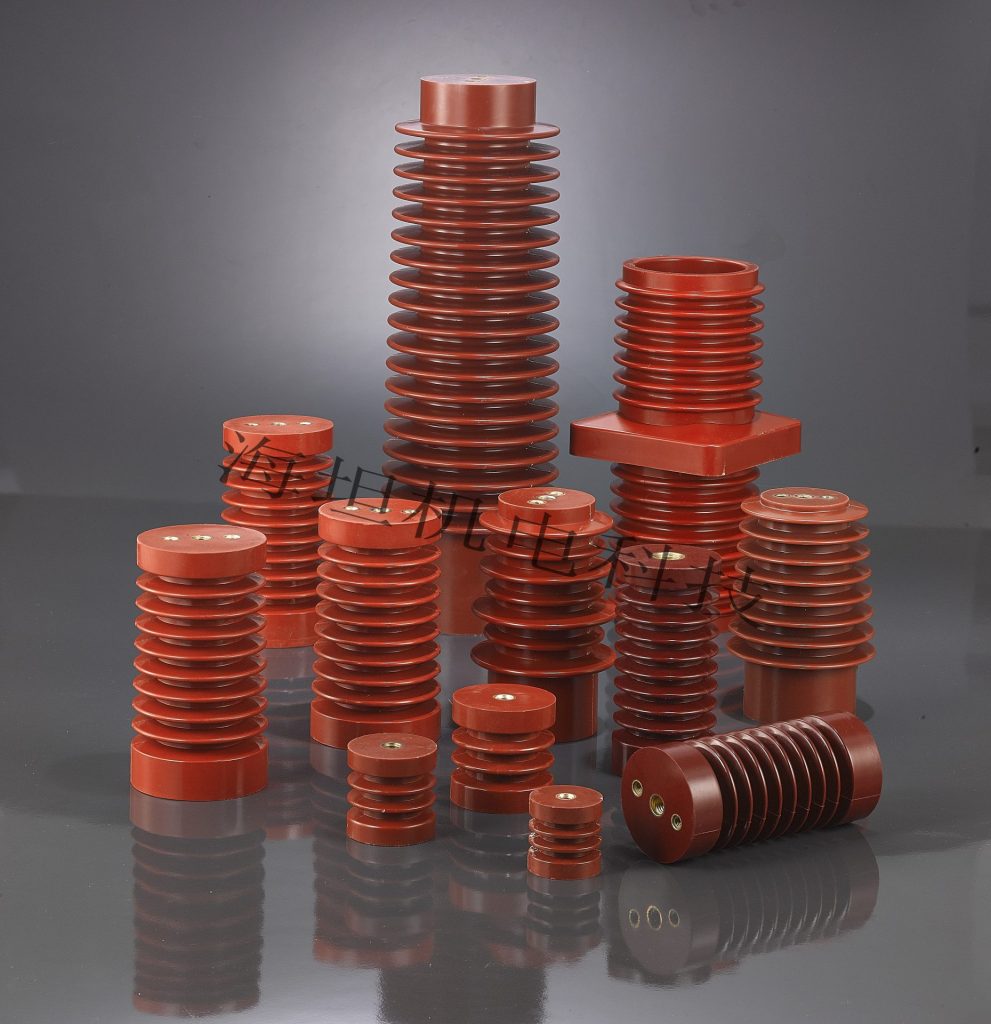
Epoxy Resin Insulator Support Explained: Definition and Key Applications
Introduction
In modern electrical and power distribution systems, reliable insulation components are essential for ensuring safety, mechanical stability, and long-term performance. Among these components, epoxy resin insulator supports are widely used due to their excellent electrical insulation properties and strong mechanical strength. This article explains what an epoxy resin insulator support is, how it is constructed, and where it is commonly applied.
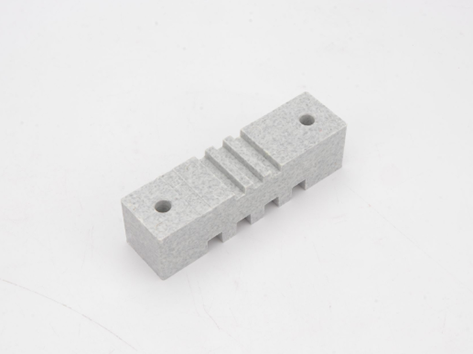
What Is an Epoxy Resin Insulator Support?
An epoxy resin insulator support is a rigid insulating component designed to mechanically support live electrical conductors—such as busbars or terminals—while electrically isolating them from grounded structures.
It is typically installed between energized parts and metal frames in switchgear, control panels, and power distribution equipment. By combining structural support and electrical insulation in one component, epoxy resin insulator supports help ensure safe operation in compact electrical assemblies.
Material Composition and Structure
Epoxy resin insulator supports are manufactured using high-performance epoxy resin combined with reinforcing fillers such as glass fiber or mineral fillers. This composition provides a balanced combination of insulation performance and mechanical durability.
Common structural features include:
A solid cylindrical or rectangular insulating body
Threaded metal inserts or embedded bolts for secure mounting
Smooth, non-porous surfaces to resist moisture and contamination
The molded structure ensures consistent dimensions and stable performance even under long-term electrical and mechanical stress.
Key Electrical and Mechanical Properties
Epoxy resin insulator supports are valued for the following performance characteristics:
High dielectric strength: Effectively prevents current leakage and electrical breakdown
Excellent mechanical strength: Supports heavy busbars and withstands vibration and short-circuit forces
Thermal stability: Maintains performance across a wide temperature range
Low water absorption: Reduces insulation degradation in humid environments
Flame resistance: Helps improve safety in enclosed electrical systems
These properties make epoxy resin insulator supports suitable for both low-voltage and medium-voltage applications.
Key Applications of Epoxy Resin Insulator Supports
Switchgear and Distribution Panels
Epoxy resin insulator supports are widely used in low- and medium-voltage switchgear to support copper or aluminum busbars while maintaining safe insulation distances.
Busbar Support Systems
In busbar assemblies, these insulators provide mechanical stability and electrical isolation, especially in compact and high-current designs.
Control Cabinets and Electrical Enclosures
They are commonly installed in control panels to support terminals, current-carrying components, and power connections securely.
Industrial Power Equipment
Epoxy resin insulator supports are used in transformers, power distribution units, and industrial electrical equipment where reliability and durability are critical.
Renewable Energy Systems
In solar and wind power installations, epoxy resin insulator supports help ensure safe electrical insulation in inverters and power conversion equipment.
Advantages Compared with Traditional Insulating Materials
Compared with ceramic or porcelain insulators, epoxy resin insulator supports offer:
Lower weight and easier installation
Better resistance to mechanical shock and vibration
More flexible design options for compact equipment
Improved surface insulation performance in polluted environments
These advantages have led to their increasing adoption in modern electrical systems.
Conclusion
Epoxy resin insulator supports play a crucial role in ensuring the safety, stability, and efficiency of electrical and power distribution systems. With their excellent insulation properties, strong mechanical performance, and versatile application range, they have become a preferred solution for switchgear, busbar systems, and industrial power equipment.
Selecting the right epoxy resin insulator support helps improve equipment reliability and supports long-term, maintenance-free operation.
FAQ
What voltage levels are epoxy resin insulator supports suitable for?
Epoxy resin insulator supports are commonly used in low-voltage and medium-voltage systems, typically up to 12kV or higher depending on design and creepage distance. The exact voltage rating depends on the insulator’s dimensions, material formulation, and application environment.
Can epoxy resin insulator supports be used outdoors?
Standard epoxy resin insulator supports are mainly designed for indoor applications. For outdoor use, additional requirements such as UV resistance, weatherproof design, and pollution performance should be considered. In such cases, specially formulated epoxy materials or alternative insulating solutions may be recommended.
How do epoxy resin insulator supports compare with ceramic insulators?
Compared with ceramic insulators, epoxy resin insulator supports are lighter in weight, easier to install, and more resistant to mechanical shock and vibration. They also allow more flexible designs, making them suitable for compact and high-density electrical equipment.
What mounting options are available for epoxy resin insulator supports?
Epoxy resin insulator supports are available with internal threads, external studs, or embedded metal inserts. Common mounting types include single-ended and double-ended threaded designs, allowing easy integration into different busbar and panel configurations.
Are epoxy resin insulator supports resistant to moisture and chemicals?
Yes. Epoxy resin materials have low water absorption and good resistance to oils, greases, and many industrial chemicals. This helps maintain stable insulation performance in humid or industrial environments.
What factors should be considered when selecting an epoxy resin insulator support?
Key factors include rated voltage, mechanical load capacity, installation method, operating temperature, and environmental conditions. Proper selection ensures long-term reliability and compliance with electrical safety standards.
Do epoxy resin insulator supports require regular maintenance?
Under normal operating conditions, epoxy resin insulator supports are maintenance-free. Periodic visual inspection is usually sufficient to ensure there are no cracks, contamination buildup, or mechanical damage.
--- END ---
 E-mail: [email protected]
 No. 20 Lingyun Road, Dongfeng
Industrial Zone, Liushi Town, Yueqing
City,Zhejiang Province


© Copyright 2024 China Haitan Electromechanical Technology Co., Ltd. All rights reserved.SUPPORT BY:JUNJ Privacy Policy
 English (South Africa)
  English (United States)
  Arabic
  Belarusian
  Bengali
  Japanese
  Kazakh
  Korean
  Myanmar
  Russian
  Thai
Thai  Ukrainian
  Uzbek
Uzbek  Vietnamese
  Chinese