
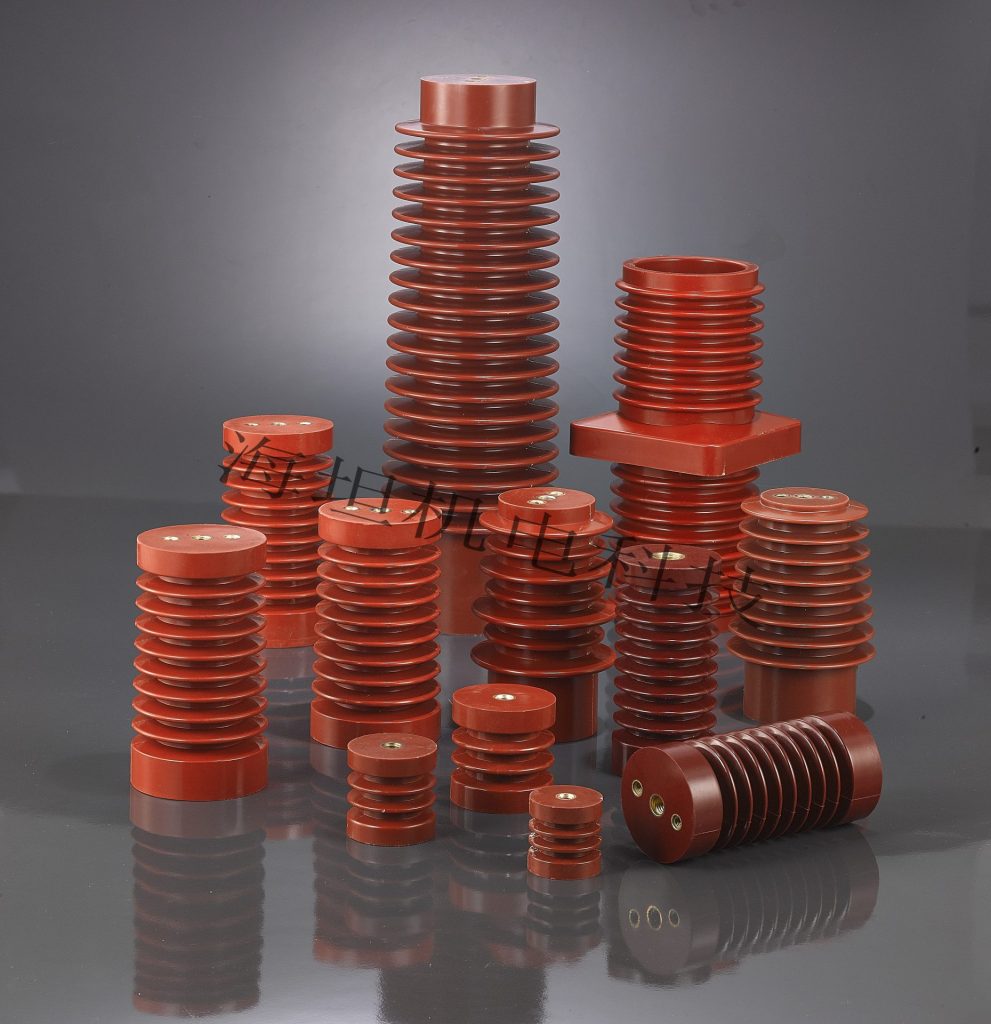
What Is an MG Insulator? Definition, Structure, and Main Functions
Introduction
In electrical panels and power distribution systems, insulation components are essential for ensuring electrical safety, mechanical stability, and long-term reliability. MG insulators are widely used in modern distribution equipment due to their robust structure, stable insulation performance, and suitability for busbar and conductor support applications.
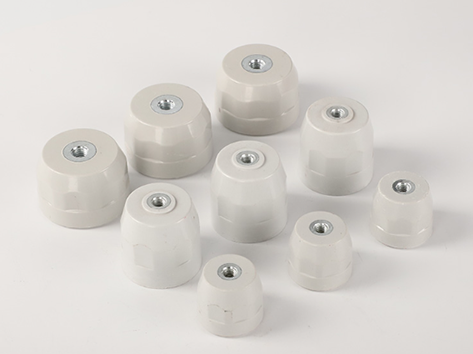
Definition of an MG Insulator
An MG insulator is a molded electrical insulation component designed to support, separate, and fix live conductive parts such as busbars and terminals within electrical panels, distribution cabinets, and switchgear. It provides reliable electrical insulation while also bearing mechanical loads generated during operation.
MG insulators are typically applied in low-voltage and medium-voltage systems where both insulation performance and structural strength are required.
Structure of an MG Insulator
MG insulators are engineered to combine insulation material with mechanical fixing interfaces. Their typical structure includes:
Insulating Body
The main body of an MG insulator is made from high-performance insulating materials, such as thermoset composites. This body provides high dielectric strength, resistance to tracking, and stable performance under electrical stress.
Embedded or Threaded Inserts
MG insulators often incorporate metal inserts or threaded studs that allow secure fastening to mounting plates or frames. These inserts enable reliable mechanical connection without compromising insulation integrity.
Optimized Geometric Design
The shape and dimensions of MG insulators are optimized to maintain required air and creepage distances, while also ensuring sufficient mechanical stability to support conductors and busbars.
Main Functions of MG Insulators
Electrical Insulation
MG insulators isolate live conductive parts from grounded structures and adjacent phases, preventing short circuits and leakage currents. Their insulation performance ensures safe operation under rated voltage conditions.
Mechanical Support
MG insulators provide strong mechanical support for busbars and conductors, maintaining correct positioning under load, vibration, and thermal expansion.
Load Distribution and Stability
By securely fixing conductors, MG insulators help distribute mechanical forces evenly, reducing stress concentration and improving system stability, especially during short-circuit events.
Safety Enhancement
MG insulators contribute to overall system safety by maintaining clearances, reducing accidental contact risk, and improving the internal organization of electrical equipment.
Typical Applications of MG Insulators
MG insulators are commonly used in:
Distribution cabinets and electrical panels
Busbar support systems
Switchgear and control equipment
Industrial power distribution systems
Their versatility makes them suitable for both standard and customized power distribution solutions.
Conclusion
MG insulators are essential components in modern electrical panels and power distribution systems. By combining reliable electrical insulation with robust mechanical support, they play a key role in ensuring safety, stability, and long-term performance.
Understanding the definition, structure, and main functions of MG insulators helps engineers and system designers select appropriate insulation solutions for reliable and efficient power distribution.
FAQ
Q1: What is the primary function of an MG insulator?
The main function of an MG insulator is to provide electrical insulation and mechanical support for live components such as busbars, terminals, and conductors. It ensures proper clearance, prevents short circuits, and maintains structural stability under operational loads.
Q2: Where are MG insulators commonly used?
MG insulators are widely applied in distribution cabinets, switchgear, busbar systems, and control panels, especially in low-voltage and medium-voltage electrical systems.
Q3: How do MG insulators enhance system safety?
MG insulators improve safety by isolating live parts from grounded structures and other phases, maintaining required air and creepage distances, and reducing the risk of accidental contact during installation or maintenance.
Q4: Can MG insulators withstand mechanical stress and short-circuit forces?
Yes. MG insulators are designed to bear mechanical loads, vibrations, and forces generated during short-circuit events, providing long-term stability for supported conductors.
Q5: Are MG insulators suitable for compact and high-density panels?
Yes. Their optimized design allows safe support of busbars and conductors in space-constrained or high-density panel layouts, without compromising insulation or mechanical integrity.
Q6: Can MG insulators be customized?
Yes. MG insulators can be customized in terms of dimensions, mounting interfaces, and materials to meet specific project requirements or OEM specifications.
--- END ---
 E-mail: [email protected]
  No. 20 Lingyun Road, Dongfeng
Industrial Zone, Liushi Town, Yueqing
City,Zhejiang Province


© Copyright 2024 China Haitan Electromechanical Technology Co., Ltd. All rights reserved.SUPPORT BY:JUNJ Privacy Policy
 English (South Africa)
  English (United States)
  Arabic
  Belarusian
  Bengali
  Japanese
  Kazakh
  Korean
  Myanmar
  Russian
  Thai
Thai  Ukrainian
  Uzbek
Uzbek  Vietnamese
  Chinese