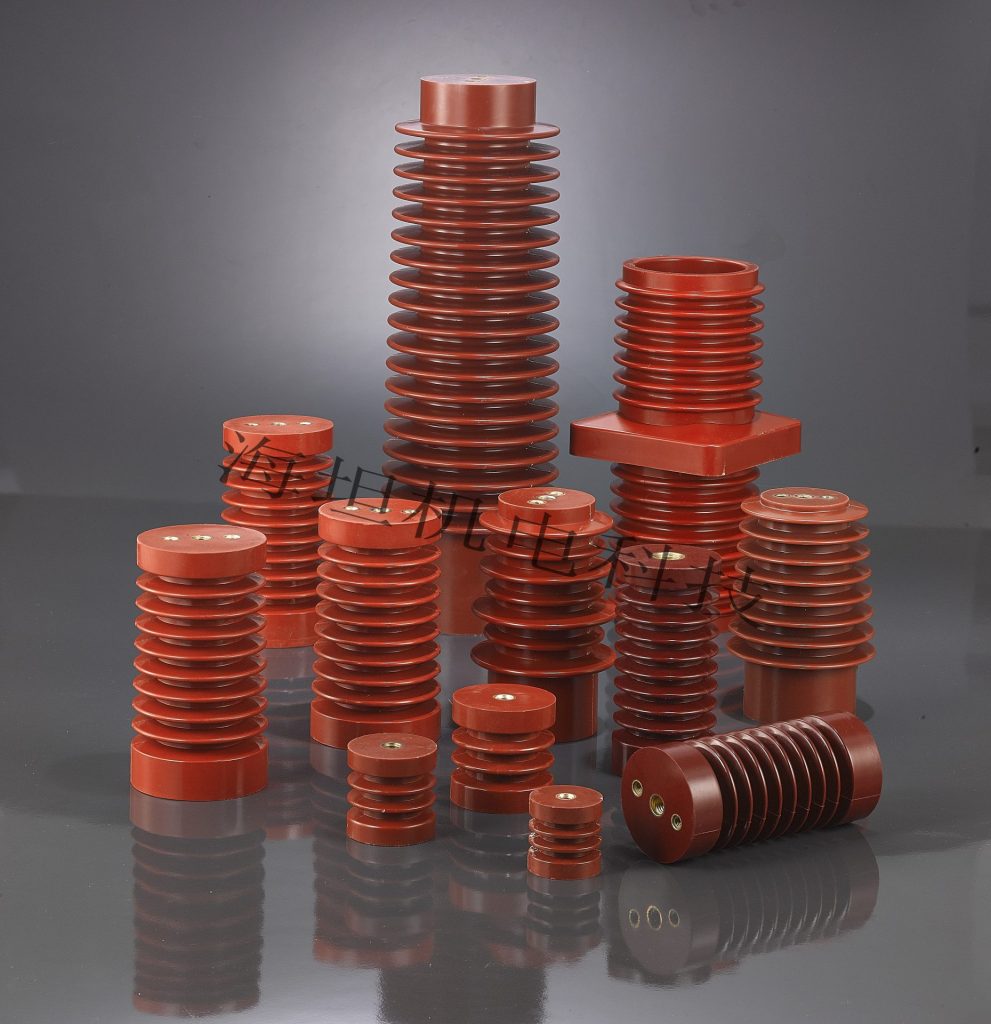
Why Epoxy Resin Is Used for Insulator Supports in Electrical Equipment
Блог | Отдел новостей | Янв 26,2026
Введение
In electrical equipment, insulating components must perform two critical functions at the same time: providing reliable electrical insulation и maintaining mechanical stability under load. Among various insulating materials, epoxy resin has become one of the most widely used choices for insulator supports in modern electrical systems.
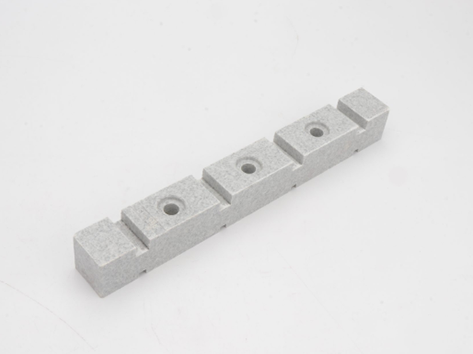
The Role of Insulator Supports in Electrical Equipment
Insulator supports are used to mechanically hold live electrical conductors—such as busbars, terminals, and current-carrying components—while electrically isolating them from grounded structures. These components must withstand electrical stress, mechanical loads, temperature variation, and environmental influences throughout their service life.
Material selection is therefore critical to ensure safety, reliability, and long-term performance.
Excellent Electrical Insulation Performance
One of the primary reasons epoxy resin is used for insulator supports is its высокая диэлектрическая прочность. Epoxy resin effectively prevents current leakage and electrical breakdown, even in compact electrical assemblies with limited insulation distances.
In addition, epoxy resin exhibits:
Low dielectric loss
Stable insulation properties over time
Good resistance to tracking and surface discharge
These characteristics make it suitable for both low-voltage and medium-voltage electrical equipment.
High Mechanical Strength and Structural Stability
Epoxy resin insulator supports are designed to carry significant mechanical loads, especially in busbar systems where short-circuit forces can be substantial.
When reinforced with fillers such as glass fiber or mineral materials, epoxy resin provides:
High compressive and flexural strength
Strong resistance to vibration and mechanical shock
Dimensional stability under continuous stress
This allows epoxy resin supports to safely hold conductors in place while maintaining precise alignment.
Thermal Resistance and Flame Retardancy
Electrical equipment often operates under elevated temperatures caused by current flow and environmental conditions. Epoxy resin offers good термическая стабильность, allowing insulator supports to maintain their mechanical and electrical performance across a wide operating temperature range.
Many epoxy resin formulations also meet flame-retardant requirements, helping to limit fire propagation and improve overall equipment safety.
Low Water Absorption and Environmental Resistance
Moisture is a major factor that can degrade insulation performance. Epoxy resin has low water absorption, which helps maintain high insulation resistance in humid environments.
In addition, epoxy resin insulator supports show good resistance to:
Oils and greases
Industrial chemicals
Dust and surface contamination
These properties make them suitable for use in industrial and enclosed electrical environments.
Design Flexibility for Modern Electrical Equipment
Compared with traditional ceramic or porcelain insulators, epoxy resin offers greater design flexibility. It can be molded into various shapes and sizes with embedded metal inserts, enabling compact designs and simplified installation.
This flexibility supports the trend toward:
High-density switchgear
Компактные панели управления
Modular electrical systems
Consistent Quality Through Molding Technology
Epoxy resin insulator supports are typically produced using precision molding processes. This ensures:
Consistent dimensions and tolerances
Uniform material properties
Reliable performance from batch to batch
Such consistency is especially important for large-scale electrical equipment manufacturing.
Заключение
Epoxy resin is widely used for insulator supports in electrical equipment because it offers a balanced combination of excellent electrical insulation, strong mechanical performance, thermal stability, and environmental resistance. Its design flexibility and manufacturing consistency further support the needs of modern, compact, and high-performance electrical systems.
As electrical equipment continues to evolve toward higher efficiency and reliability, epoxy resin insulator supports remain a trusted and proven material solution.
Часто задаваемые вопросы
Why is epoxy resin preferred over other insulating materials?
Epoxy resin offers a balanced combination of high dielectric strength, strong mechanical performance, and low water absorption. Compared with ceramic or thermoplastic materials, it provides better vibration resistance and more design flexibility for compact electrical equipment.
Are epoxy resin insulator supports suitable for high-current applications?
Yes. Epoxy resin insulator supports are widely used in high-current busbar systems. Their high mechanical strength allows them to withstand electrodynamic forces generated during short-circuit conditions, provided they are correctly sized and installed.
What voltage range can epoxy resin insulator supports handle?
Epoxy resin insulator supports are commonly used in low-voltage and medium-voltage electrical equipment, typically up to 12kV or higher depending on design, creepage distance, and application standards.
How does epoxy resin perform in humid or industrial environments?
Epoxy resin has low moisture absorption and good resistance to oils, dust, and many industrial chemicals. This helps maintain stable insulation performance in enclosed or moderately harsh environments.
Can epoxy resin insulator supports replace ceramic insulators?
In many indoor electrical applications, epoxy resin insulator supports are increasingly replacing ceramic insulators due to their lighter weight, better shock resistance, and easier installation. However, material selection should always consider operating conditions and standards.
Do epoxy resin insulator supports require special maintenance?
Under normal operating conditions, epoxy resin insulator supports are considered maintenance-free. Periodic visual inspection is usually sufficient to ensure there are no cracks, contamination buildup, or mechanical damage.
What factors should be considered when selecting an epoxy resin insulator support?
Key factors include rated voltage, mechanical load capacity, mounting type, operating temperature, and environmental conditions. Proper selection ensures long-term safety and reliability of electrical equipment.
--- КОНЕЦ ---
 Электронная почта: [email protected]
 № 20 Линюнь Роуд, Дунфэн
Промышленная зона, город Люши, Юэцин
Город, провинция Чжэцзян


© Copyright 2024 China Haitan Electromechanical Technology Co., Ltd. Все права защищены.ПОДДЕРЖКА: JUNJ политика конфиденциальности
 Russian
  English (United States)
  English (South Africa)
  Arabic
  Belarusian
  Bengali
  Japanese
  Kazakh
  Korean
  Myanmar
  Thai
Thai  Ukrainian
  Uzbek
Uzbek  Vietnamese
  Chinese