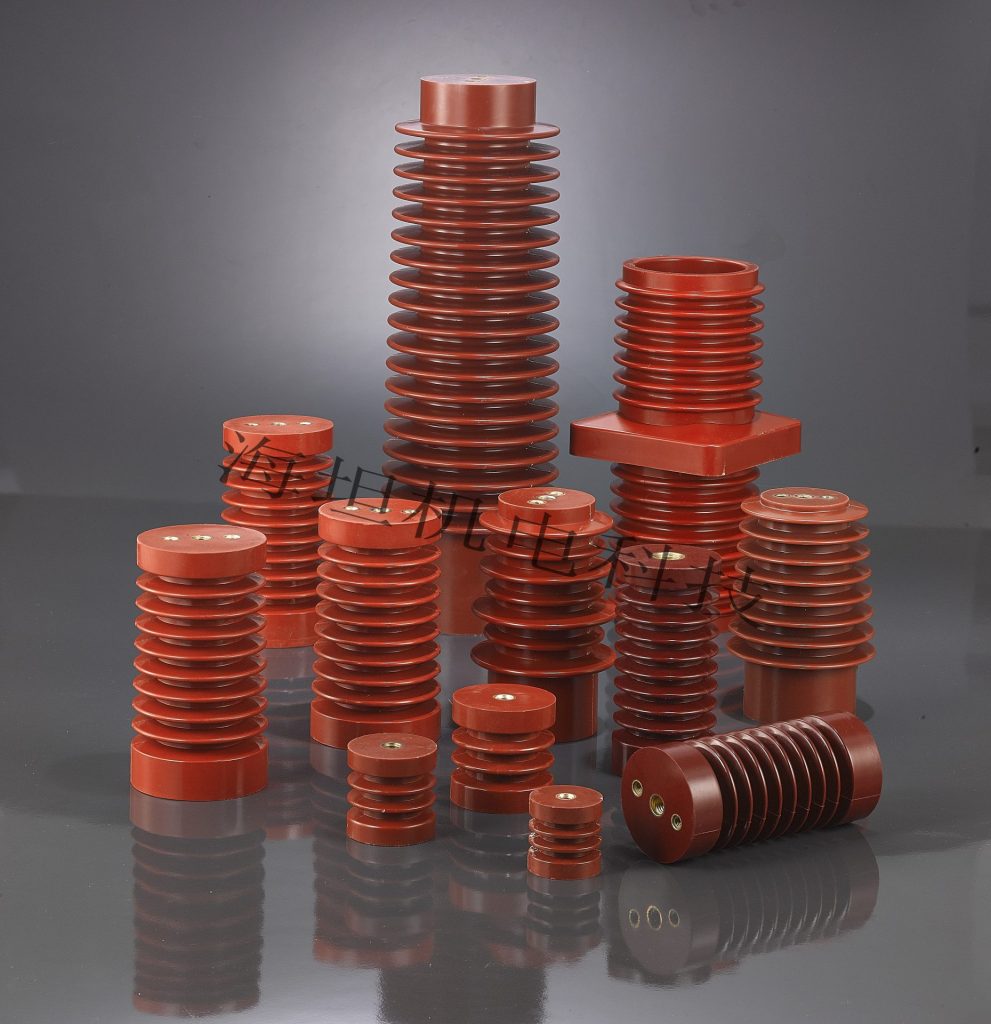
How DMC Insulators Maintain Electrical Insulation Stability in Photovoltaic and Energy Storage Systems
Blog | Phòng tin tức | Th6 02,2026
Giới thiệu
If your insulation fails, your entire energy project stops. In the high-stakes world of solar power and energy storage, the smallest component often carries the heaviest load. This article looks at why cách điện DMC are the backbone of modern power systems and how they keep your business running smoothly, no matter how harsh the environment gets.
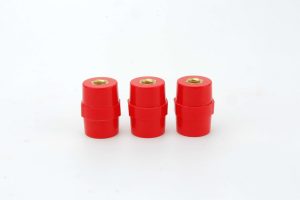
Why DMC Insulators Outperform BMC in Renewable Energy Infrastructure
You’ve likely heard the debate between DMC (Hợp chất đúc bột) and BMC (Bulk Molding Compound). While they might look identical on a warehouse shelf, their performance in a 1500V solar farm tells a very different story. Let’s look at why your choice matters.
The Muscle in the Material
DMC uses longer glass fibers than typical BMC. Think of it like rebar in concrete—it gives the insulator the “muscle” to handle mechanical shocks. When your team is installing heavy busbars or when a shipping container is bouncing on a truck, you don’t want a material that snaps under pressure.
Handling the Voltage Push
When you’re pushing high voltage through a system, you need a material that won’t give up. DMC maintains its resistive properties even when the heat turns up. It’s not just about stopping a spark today; it’s about stopping one ten years from now when the material has aged.
Chemical and Thermal Grit
In a power cabinet, you deal with more than just electricity. You deal with heat and off-gassing. DMC doesn’t degrade or become brittle as fast as cheaper alternatives. It’s a thermoset material—once it’s molded, it stays that way. It won’t soften or warp even when the internal cabinet temperature spikes during a peak summer load.
How Does DMC Material Maintain Insulation Stability in Extreme Weather
Your solar project isn’t sitting in an air-conditioned lab. It’s out there in the elements. Your components need to be “weather-proof” in the truest sense to maintain insulation stability.
Fighting the Fog: In energy storage environments, especially containerized systems, condensation is a silent killer. DMC has a very low water absorption rate. This means moisture won’t seep into the material and create a “bridge” for electricity to leak across.
Beating the Heat: High temperatures can warp standard plastics. Because DMC is built to handle thermal cycling, it doesn’t crack when it goes from a freezing desert night to a scorching 50°C afternoon.
The Salt Problem: If your project is near the coast, salt is your enemy. It’s highly conductive. Corrosion-resistant electrical insulators made of DMC have a smooth, non-porous surface. This makes it much harder for salt crusts to build up and cause a catastrophic short circuit.
DMC vs. SB Insulators: Which One Should You Pick
This is a question we get all the time. Is a standard DMC standoff insulator enough, or do you need to step up to the SB insulator series? It’s not just about size; it’s about the “job description” of the component.
The Standard DMC Standoff
These are the versatile workhorses. You see them everywhere because they work.
Best for: General cabinet wiring, smaller busbars, and internal isolation in inverters.
The Fit: They are usually compact, making them perfect for tight spaces where you need to squeeze in a lot of components without compromising safety.
The Cost: They offer incredible value for money for standard power distribution tasks.
The SB Insulator Series
The SB series is what you call in when the environment gets “angry” or the loads get massive.
Physical Shape: You’ll notice SB insulators often have a more pronounced “ribbed” or drum-like shape. This isn’t just for aesthetics. Those ribs increase the creepage distance—the literal path electricity has to travel to cause a fault.
Charging Pile Performance: SB insulators are the gold standard for EV charging infrastructure. They handle the constant physical vibrations and frequent power surges better than almost anything else.
Mechanical Load: If you are supporting thick, heavy copper busbars that carry thousands of amps, the SB series provides the structural rigidity to keep them from sagging or shifting.
3 Technical Parameters Ensuring Electrical Stability
To keep your project on track, you need to look past the price tag and check these three “insurance” metrics.
| Technical Metric | What it actually means for your project |
| Chỉ số theo dõi so sánh (CTI) | This tells you how well the surface resists “leaking” electricity when it gets dusty or damp. |
| Flame Retardancy (UL94-V0) | If a fault happens, this material stops burning in seconds. It won’t turn a small spark into a total fire. |
| Độ bền điện môi | This is the “shield rating.” It defines exactly how much voltage the material can block before it fails. |
Where to Use These Components for Maximum Reliability
A great component in the wrong place is a waste of money. Here is how to strategically deploy your DMC standoff insulators.
Inside the Inverter
Use them to isolate the high-frequency DC components from the metal housing. This is where thermal stability is most important because inverters get hot—fast.
Battery Racks in ESS
In large energy storage systems, these insulators keep the battery strings safely separated from the metal racking. In high-humidity ESS environments, this is the difference between a smooth operation and a constant “ground fault” headache.
Combiner Boxes
These are the front lines of a solar farm. Using high-strength DMC here prevents downtime caused by environmental degradation. Since these boxes are often plastic themselves, the internal insulators provide that second, crucial layer of protection.
Hỗ trợ thanh cái
For heavy-duty power distribution, use DMC wire holders and busbar supports to keep everything organized. If your cables or bars touch, your project is over. These parts keep that from happening for 25+ years.
Phần kết luận
Choosing the right insulation isn’t just a technical choice; it’s a business insurance policy. By using high-performance DMC and SB insulators, you protect your equipment, your reputation, and your bottom line. Don’t let a small component cause a massive failure.
Ready to secure your power system? Contact Haitan for a technical quote or custom samples today.
Câu hỏi thường gặp
Is DMC or SB better for high-vibration environments?
The SB series is generally better due to its thicker base and superior mechanical vibration resistance.
Can DMC insulators handle 1500V DC systems?
Yes, they are specifically engineered to handle the high electrical stress of modern solar architectures.
What is the benefit of UL94-V0 material?
It means the material self-extinguishes within 10 seconds, preventing fire spread during an electrical fault.
How does humidity affect insulation stability?
High humidity can cause surface tracking; DMC’s low water absorption keeps the surface resistive and safe.
Are these insulators corrosion-resistant?
Yes, the DMC compound is naturally resistant to salt, oil, and most industrial chemicals.
--- KẾT THÚC ---
 Email: [email protected]
 Số 20 đường Lingyun, Đông Phong
Khu công nghiệp, thị trấn Liushi, Nhạc Thanh
Thành phố, tỉnh Chiết Giang


© Bản quyền 2024 Công ty TNHH Công nghệ Cơ điện Haitan Trung Quốc. Mọi quyền được bảo lưu.HỖ TRỢ BỞI: JUNJ Chính sách bảo mật
 Vietnamese
  English (United States)
  English (South Africa)
  Arabic
  Belarusian
  Bengali
  Japanese
  Kazakh
  Korean
  Myanmar
  Russian
  Thai
Thai  Ukrainian
  Uzbek
Uzbek  Chinese