Why Heat Shrink Tubes Are Widely Used in Electronics Manufacturing
Introduction
In modern electronics manufacturing, reliability, safety, and durability are essential. From consumer electronics and automotive control systems to industrial automation equipment, electronic components require effective insulation and protection to ensure stable performance. One of the most widely used solutions for cable and component protection is the heat shrink tube.
Heat shrink tubes play a critical role in protecting wires, insulating connections, organizing cable assemblies, and improving the lifespan of electronic devices. Their versatility and cost-effectiveness make them an indispensable material in electronics manufacturing.
What Is a Heat Shrink Tube?
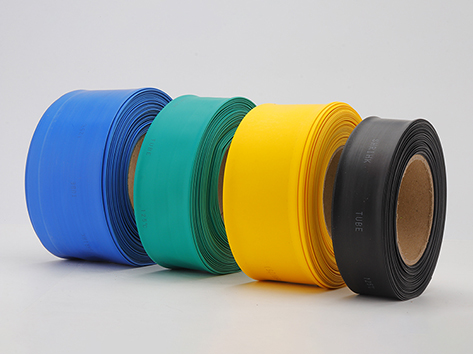
A heat shrink tube is a specially engineered polymer tubing that contracts when exposed to heat. After being placed over wires, terminals, or connectors, the tube shrinks tightly around the component, creating a secure protective layer.
Heat shrink tubes are commonly made from materials such as:
Polyolefin
PVC
Fluoropolymer
Silicone rubber
Among these, polyolefin heat shrink tubing is the most commonly used in electronics because of its excellent insulation performance, flexibility, flame resistance, and durability.
Why Heat Shrink Tubes Are Important in Electronics Manufacturing
Excellent Electrical Insulation
One of the primary functions of heat shrink tubing is electrical insulation. Electronic devices contain numerous wires and conductive components that must be safely isolated to prevent:
Short circuits
Current leakage
Electrical interference
Equipment failure
Heat shrink tubes create a reliable insulating barrier around exposed conductors and solder joints, significantly improving operational safety.
Protection Against Moisture and Contaminants
Electronic components are highly sensitive to environmental conditions. Dust, moisture, chemicals, and corrosion can damage circuits and reduce product lifespan.
Heat shrink tubing provides effective environmental sealing by protecting components from:
Water intrusion
Humidity
Oil and chemicals
Dirt and dust
Adhesive-lined heat shrink tubes offer even stronger waterproof sealing for demanding industrial and outdoor applications.
Improved Mechanical Protection
In electronics manufacturing, cables and wire assemblies are often exposed to vibration, bending, abrasion, and mechanical stress.
Heat shrink tubes help protect wiring systems by:
Reducing cable wear
Preventing wire breakage
Reinforcing solder joints
Increasing strain relief
This mechanical protection is especially important in automotive electronics, industrial control systems, and aerospace equipment.
Better Cable Organization and Identification
Modern electronic devices contain complex wiring systems. Heat shrink tubing helps manufacturers improve cable management and simplify maintenance.
Benefits include:
Bundling wires neatly
Organizing cable assemblies
Color coding for easy identification
Supporting printed labels and markings
Proper cable organization improves manufacturing efficiency and reduces maintenance errors.
Flame Retardant Safety Performance
Safety standards in electronics manufacturing continue to become stricter. Many heat shrink tubes are designed with flame-retardant properties to meet industry safety requirements.
Flame-retardant heat shrink tubing helps:
Reduce fire risks
Improve product safety compliance
Protect nearby electronic components
This makes them widely used in consumer electronics, power systems, telecommunications, and medical equipment.
Compatibility with Automated Manufacturing
Electronics manufacturers require efficient and scalable production processes. Heat shrink tubing is highly compatible with automated assembly and wire processing equipment.
Advantages for manufacturers include:
Fast installation
Consistent shrinking performance
Easy integration into automated production lines
Reduced labor costs
These benefits improve productivity and manufacturing consistency.
Wide Range of Sizes and Materials
Heat shrink tubes are available in various:
Diameters
Shrink ratios
Colors
Materials
Temperature ratings
This flexibility allows manufacturers to select suitable tubing for different electronic applications, from miniature circuit boards to heavy-duty industrial cables.
Common Applications of Heat Shrink Tubes in Electronics Manufacturing
Heat shrink tubing is widely used in:
Consumer Electronics
Smartphones
Laptops
Chargers
Audio devices
Automotive Electronics
Wiring harnesses
Battery systems
Sensors
ECU connections
Industrial Equipment
Control cabinets
Automation systems
Power distribution equipment
Telecommunications
Fiber optic protection
Cable splicing
Data communication systems
Renewable Energy Systems
Solar cable protection
Energy storage systems
Inverter wiring
How to Choose the Right Heat Shrink Tube
When selecting heat shrink tubing for electronics manufacturing, several factors should be considered:
Shrink Ratio
Common ratios include:
2:1
3:1
4:1
Higher shrink ratios provide greater flexibility for irregular shapes and connectors.
Operating Temperature
Choose tubing suitable for the device’s working environment.
Flame Resistance
Verify compliance with industry safety standards such as UL and RoHS.
Wall Type
Single-wall tubing for insulation
Dual-wall adhesive-lined tubing for waterproof sealing
Material Type
Select materials based on flexibility, chemical resistance, and temperature requirements.
Future Trends of Heat Shrink Tubes in Electronics
As electronics become smaller, smarter, and more integrated, the demand for advanced cable protection solutions continues to grow.
Future development trends include:
High-temperature resistant materials
Eco-friendly and halogen-free tubing
Miniaturized heat shrink solutions
Enhanced flame-retardant performance
Smart identification and labeling technologies
These innovations will further expand the application of heat shrink tubing in advanced electronics manufacturing.
Conclusion
Heat shrink tubes have become an essential component in electronics manufacturing because they provide reliable insulation, environmental protection, mechanical durability, and improved cable organization.
Their versatility, safety performance, and compatibility with modern automated production make them ideal for a wide range of electronic applications. As electronic technologies continue to evolve, heat shrink tubing will remain a critical solution for ensuring the safety, reliability, and long-term performance of electronic systems.
FAQ
What is the main purpose of heat shrink tubing in electronics?
Heat shrink tubing is mainly used for electrical insulation, wire protection, strain relief, and environmental sealing.
Why is polyolefin heat shrink tubing commonly used?
Polyolefin offers excellent flexibility, insulation, flame resistance, and durability, making it ideal for electronics applications.
Can heat shrink tubing be waterproof?
Yes. Adhesive-lined heat shrink tubing provides waterproof and moisture-resistant sealing.
What industries use heat shrink tubes the most?
Electronics, automotive, telecommunications, renewable energy, aerospace, and industrial automation industries widely use heat shrink tubing.
How is heat shrink tubing installed?
The tubing is placed over the component and heated using a heat gun until it shrinks tightly around the surface.
--- END ---
 E-mail: [email protected]
 No. 20 Lingyun Road, Dongfeng
Industrial Zone, Liushi Town, Yueqing
City,Zhejiang Province


© Copyright 2024 China Haitan Electromechanical Technology Co., Ltd. All rights reserved.SUPPORT BY:JUNJ Privacy Policy
 English (United States)
  English (South Africa)
  Arabic
  Belarusian
  Bengali
  Japanese
  Kazakh
  Korean
  Myanmar
  Russian
  Thai
Thai  Ukrainian
  Uzbek
Uzbek  Vietnamese
  Chinese