
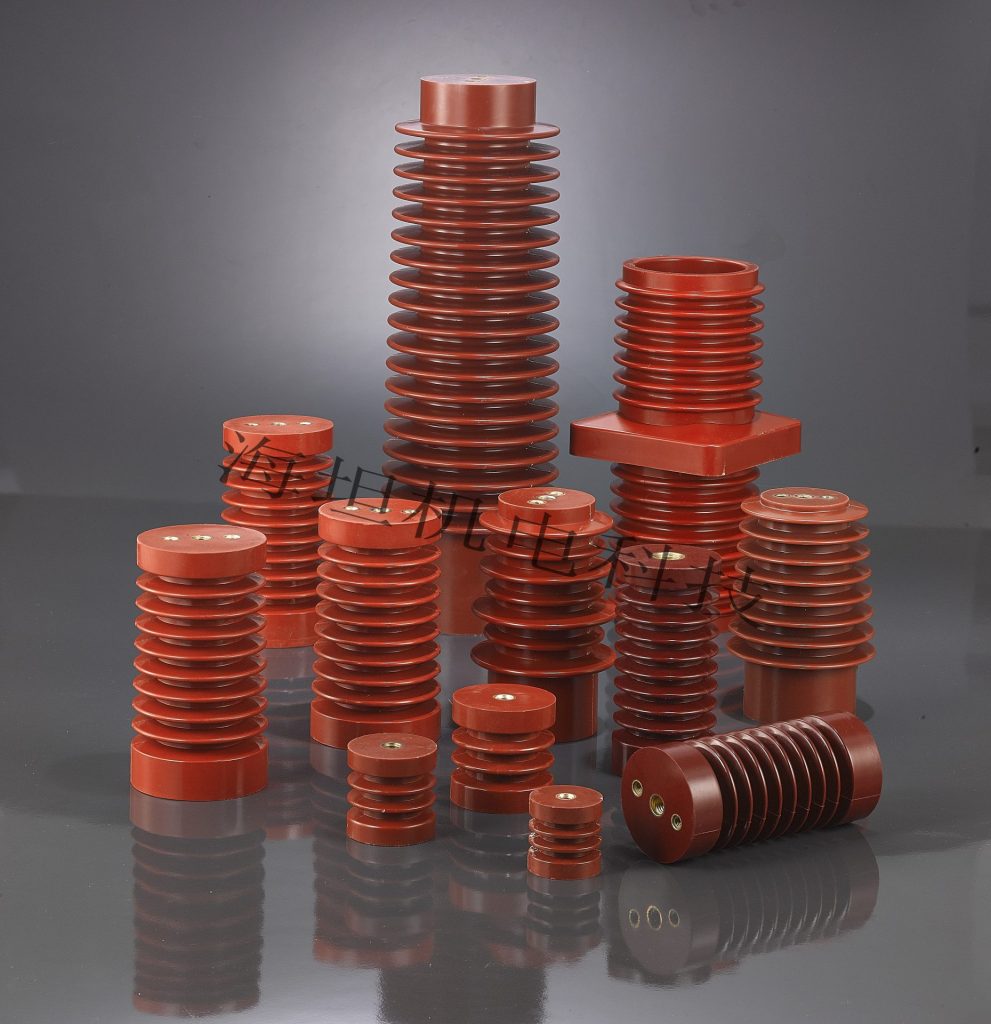
Maintenance Tips to Extend the Life of EL Insulators
Introduction
EL insulators play a critical role in ensuring the safety, reliability, and efficiency of electrical systems. Whether used in power distribution equipment, switchgear, renewable energy installations, or industrial machinery, these components are constantly exposed to electrical stress, environmental factors, and mechanical loads.
While high-quality EL insulators are designed for long service life, proper maintenance is essential to maximize performance and prevent unexpected failures. In this article, we explore practical maintenance tips that can help extend the lifespan of EL insulators and reduce long-term operating costs.
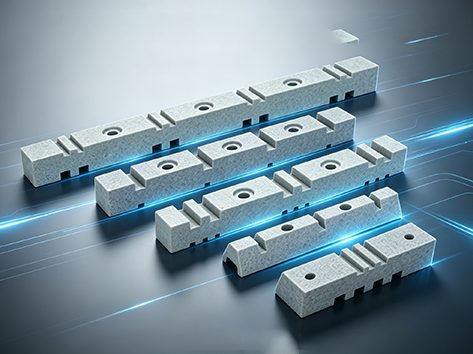
Why EL Insulator Maintenance Matters
Insulators are often overlooked until a problem occurs. However, deterioration of insulation performance can lead to:
Electrical leakage
Flashover incidents
Equipment downtime
Increased maintenance costs
Safety risks for personnel and facilities
Regular inspection and maintenance help identify potential issues before they become serious problems, ensuring continuous and reliable operation.
Perform Regular Visual Inspections
Routine visual inspections are one of the simplest and most effective maintenance practices.
Look for signs of:
Surface cracks
Chipping or physical damage
Discoloration
Burn marks
Corrosion of metal fittings
Signs of electrical tracking
Even minor defects can worsen over time and compromise insulation performance.
Recommended Frequency
Monthly for harsh industrial environments
Quarterly for standard indoor applications
After severe weather events for outdoor installations
Keep Insulators Clean
Contaminants on the surface of an insulator can significantly reduce its effectiveness.
Common contaminants include:
Dust
Oil and grease
Salt deposits
Industrial pollutants
Moisture buildup
These contaminants may create conductive paths that increase leakage current and the risk of flashover.
Cleaning Best Practices
Use soft, non-abrasive cleaning materials
Follow manufacturer cleaning recommendations
Avoid harsh chemicals that may damage insulating materials
Ensure the insulator is de-energized before cleaning
For outdoor installations in polluted environments, more frequent cleaning may be necessary.
Monitor for Moisture and Humidity Issues
Moisture is one of the leading causes of insulation degradation.
High humidity can:
Reduce insulation resistance
Encourage surface tracking
Accelerate material aging
Preventive Measures
Maintain proper ventilation in electrical rooms
Use environmental sealing when appropriate
Install moisture control systems in high-humidity areas
Inspect seals and enclosures regularly
Keeping insulators dry significantly improves long-term reliability.
Check for Mechanical Stress and Vibration
EL insulators often provide both electrical insulation and structural support.
Over time, excessive vibration or mechanical stress can cause:
Cracks
Loosening of mounting hardware
Material fatigue
Industries such as transportation, manufacturing, and renewable energy are particularly vulnerable to vibration-related issues.
Maintenance Tip
Inspect mounting points and supporting structures regularly to ensure they remain secure and properly aligned.
Verify Proper Tightening of Fasteners
Loose hardware can create uneven mechanical loads and increase stress on the insulator body.
However, overtightening can also be harmful, leading to:
Material deformation
Cracking
Reduced structural integrity
Best Practice
Always follow the manufacturer’s recommended torque specifications during installation and maintenance.
Conduct Electrical Testing Periodically
Visual inspections alone cannot reveal all insulation problems.
Periodic testing helps evaluate the actual condition of the insulator.
Common tests include:
Insulation resistance testing
Dielectric strength testing
Leakage current measurement
Partial discharge monitoring
These tests can identify hidden degradation before failure occurs.
Protect Against Environmental Damage
Outdoor and industrial installations are exposed to numerous environmental challenges.
Potential threats include:
UV radiation
Salt fog
Chemical exposure
Extreme temperatures
Airborne contaminants
Protective Strategies
Use UV-resistant materials for outdoor applications
Apply protective coatings when appropriate
Install shields or covers in highly contaminated environments
Select insulators specifically designed for harsh conditions
Replace Damaged Insulators Promptly
A common mistake is continuing to operate equipment with visibly damaged insulators.
Even small defects can lead to:
Electrical arcing
Flashover
Equipment failure
Safety hazards
If an insulator shows significant wear, cracking, or electrical damage, replacement is usually more cost-effective than risking system failure.
Maintain Accurate Inspection Records
Keeping detailed maintenance records allows operators to:
Track aging trends
Identify recurring issues
Schedule preventive maintenance
Improve asset management decisions
Document:
Inspection dates
Cleaning schedules
Test results
Repairs and replacements
A well-maintained maintenance history helps optimize equipment lifecycle management.
Work with Qualified Suppliers and Technicians
Proper maintenance begins with quality products and professional support.
Experienced manufacturers can provide:
Maintenance guidelines
Technical support
Replacement recommendations
Customized solutions for challenging applications
Choosing reliable suppliers helps ensure long-term system performance and safety.
Conclusion
EL insulators are essential components in modern electrical systems, and their reliability directly impacts operational safety and efficiency. By implementing a proactive maintenance program—including regular inspections, cleaning, testing, and environmental protection—you can significantly extend the service life of your insulators and reduce unexpected failures.
Investing time in preventive maintenance not only improves equipment reliability but also lowers overall operating costs and enhances workplace safety.
FAQ
How often should EL insulators be inspected?
Inspection frequency depends on the operating environment. Industrial and outdoor installations typically require more frequent inspections than indoor applications.
What is the most common cause of insulator failure?
Contamination, moisture intrusion, mechanical damage, and aging are among the most common causes of failure.
Can damaged insulators be repaired?
Minor cleaning or hardware adjustments may be possible, but cracked or electrically damaged insulators should generally be replaced.
Does regular cleaning really improve insulator lifespan?
Yes. Removing contaminants helps maintain insulation performance and reduces the risk of leakage current and flashover.
What industries benefit most from EL insulator maintenance programs?
Power utilities, renewable energy facilities, manufacturing plants, transportation systems, and data centers all benefit from regular insulator maintenance and inspection programs.
--- END ---
 E-mail: [email protected]
  No. 20 Lingyun Road, Dongfeng
Industrial Zone, Liushi Town, Yueqing
City,Zhejiang Province


© Copyright 2024 China Haitan Electromechanical Technology Co., Ltd. All rights reserved.SUPPORT BY:JUNJ Privacy Policy
 English (United States)
  English (South Africa)
  Arabic
  Belarusian
  Bengali
  Japanese
  Kazakh
  Korean
  Myanmar
  Russian
  Thai
Thai  Ukrainian
  Uzbek
Uzbek  Vietnamese
  Chinese