
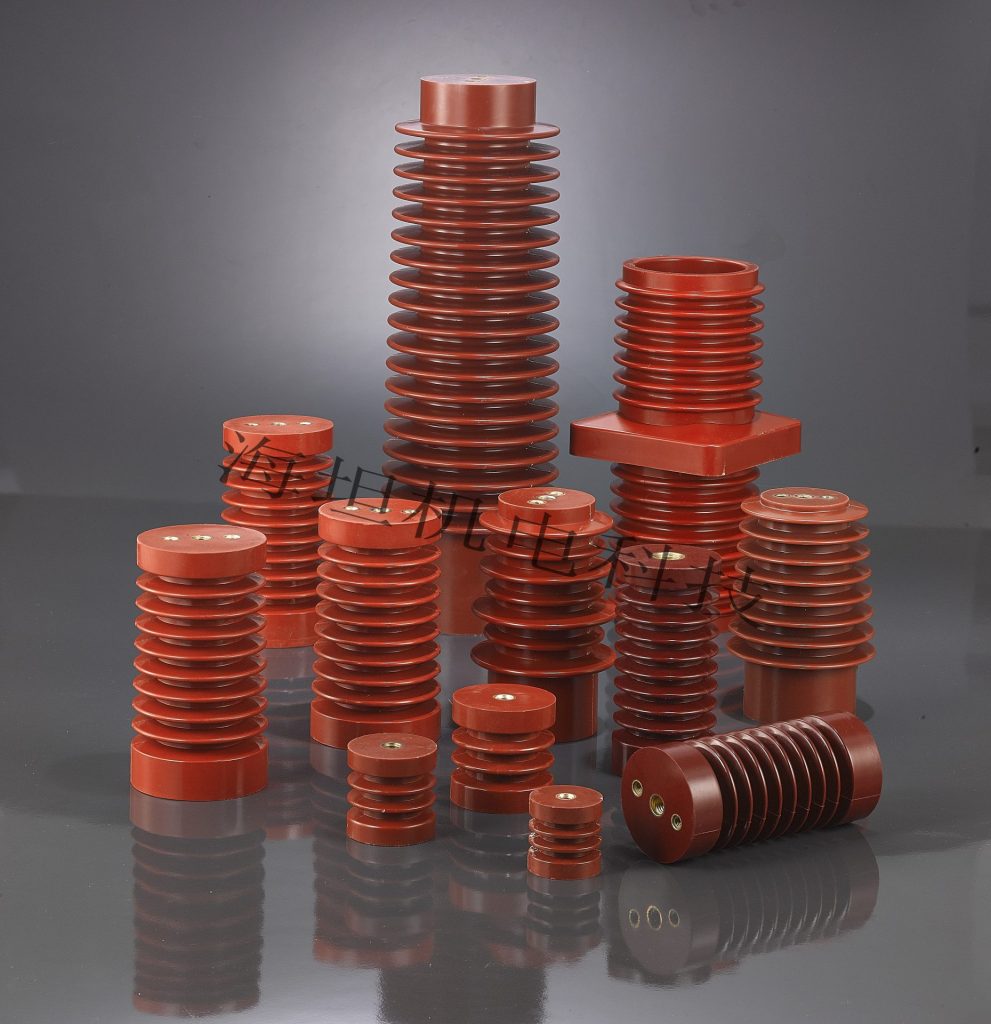
Enhancing System Stability with Low Voltage Busbar Support Structures
Introduction
In modern electrical distribution systems, stability is not only about voltage regulation and protection devices—it also depends heavily on mechanical integrity and insulation reliability. Low voltage busbar support structures play a crucial role in maintaining system stability by securing conductors, ensuring electrical isolation, and withstanding mechanical and thermal stresses.
From industrial switchgear to distribution panels and control cabinets, properly designed busbar support structures are essential for safe and efficient power transmission.
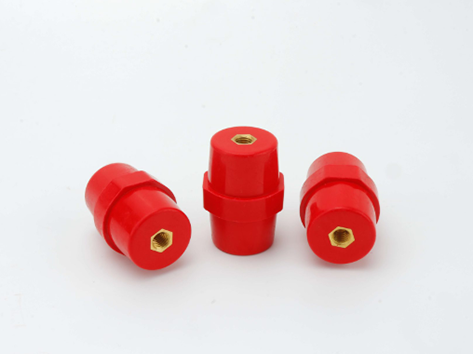
Why System Stability Depends on Busbar Support Design
Low voltage busbars carry significant current within compact enclosures. During operation, they are exposed to:
Continuous electrical load
Thermal expansion and contraction
Short-circuit electromagnetic forces
Mechanical vibration
Environmental humidity and dust
Without reliable support structures, busbars may shift, loosen, or deform—leading to insulation failure, overheating, or even short circuits. Stable support design directly contributes to electrical safety and operational continuity.
Core Functions of Low Voltage Busbar Support Structures
Mechanical Fixation
Support insulators hold busbars firmly in position, preventing movement under vibration or short-circuit forces. High mechanical strength ensures structural stability even during fault conditions.
Electrical Insulation
Busbar supports maintain proper creepage and clearance distances between live conductors and grounded metal enclosures. This prevents flashover and insulation breakdown.
Thermal Management
Materials such as DMC (Dough Molding Compound) and glass-fiber-reinforced composites resist high temperatures and minimize deformation during continuous current flow.
Shock and Short-Circuit Withstand Capability
During a short circuit, busbars experience strong electromagnetic forces. Reinforced support structures help absorb mechanical stress and prevent structural displacement.
Key Design Considerations for Stable Busbar Support Systems
Material Selection
Choosing the right insulating material is critical. Common options include:
DMC / BMC composites
Glass fiber reinforced nylon (PA66 + GF)
High CTI thermosetting materials
These materials offer high dielectric strength, mechanical durability, and flame-retardant properties.
Creepage and Clearance Distance
Proper spacing design ensures compliance with electrical safety standards and reduces the risk of tracking or arc faults.
Structural Reinforcement
Well-designed support ribs and mounting structures enhance load distribution and improve resistance to mechanical stress.
Modular Integration
Modern switchgear and panel systems increasingly adopt modular busbar support designs, enabling easier installation, maintenance, and scalability.
Applications in Low Voltage Systems
Low voltage busbar support structures are widely used in:
Power distribution cabinets
Industrial control panels
Motor control centers (MCC)
Renewable energy combiner boxes
EV charging stations
UPS and backup power systems
In all these applications, maintaining mechanical stability and insulation reliability is fundamental to system performance.
Benefits of Optimized Busbar Support Structures
Implementing high-quality busbar support systems delivers several advantages:
Improved operational safety
Reduced risk of short circuits and arc faults
Enhanced mechanical durability
Longer service life
Lower maintenance costs
Better compliance with electrical standards
Ultimately, strong support structures ensure uninterrupted power distribution and stable system operation.
Future Development Trends
As electrical systems move toward higher power density and more compact designs, busbar support structures must evolve to offer:
Higher mechanical strength in smaller footprints
Improved thermal performance
Higher CTI ratings for enhanced tracking resistance
Lightweight composite solutions
Customized designs for modular power systems
Innovation in materials and structural engineering will continue to enhance system stability in low voltage applications.
Conclusion
Low voltage busbar support structures are foundational components in electrical distribution systems. By combining mechanical strength, electrical insulation, and thermal resistance, they ensure that busbars remain securely mounted and electrically isolated—even under demanding operating conditions.
Enhancing system stability begins with reliable structural support. Investing in high-quality low voltage busbar support solutions not only improves safety but also ensures long-term performance and operational continuity in modern power systems.
FAQ
1. What is a low voltage busbar support structure?
A low voltage busbar support structure is an insulating component designed to mechanically secure and electrically isolate busbars inside distribution panels, switchgear, and control cabinets. It ensures proper spacing and structural stability under electrical and mechanical stress.
2. Why are busbar supports important for system stability?
Busbar supports prevent movement, vibration, and deformation of conductors during normal operation and short-circuit events. Stable fixation reduces the risk of insulation failure, overheating, and electrical faults, thereby improving overall system reliability.
3. What materials are commonly used for low voltage busbar supports?
Common materials include:
DMC (Dough Molding Compound)
BMC (Bulk Molding Compound)
Glass fiber reinforced nylon (PA66 + GF)
Other high-CTI thermosetting composites
These materials offer strong mechanical performance, high dielectric strength, flame retardancy, and resistance to heat and humidity.
4. How do busbar supports handle short-circuit forces?
During a short circuit, busbars experience high electromagnetic forces. High-strength reinforced support structures are designed to withstand these forces, maintaining alignment and preventing structural displacement.
5. What is the importance of creepage and clearance distance in busbar support design?
Creepage and clearance distances prevent electrical tracking and flashover between conductive parts. Properly designed supports maintain safe spacing in compliance with electrical safety standards.
6. Can low voltage busbar supports withstand high temperatures?
Yes. Quality busbar support materials are engineered to resist thermal deformation caused by continuous current flow and elevated ambient temperatures, ensuring long-term dimensional stability.
--- END ---
 E-mail: [email protected]
  No. 20 Lingyun Road, Dongfeng
Industrial Zone, Liushi Town, Yueqing
City,Zhejiang Province


© Copyright 2024 China Haitan Electromechanical Technology Co., Ltd. All rights reserved.SUPPORT BY:JUNJ Privacy Policy
 English (United States)
  English (South Africa)
  Arabic
  Belarusian
  Bengali
  Japanese
  Kazakh
  Korean
  Myanmar
  Russian
  Thai
Thai  Ukrainian
  Uzbek
Uzbek  Vietnamese
  Chinese