
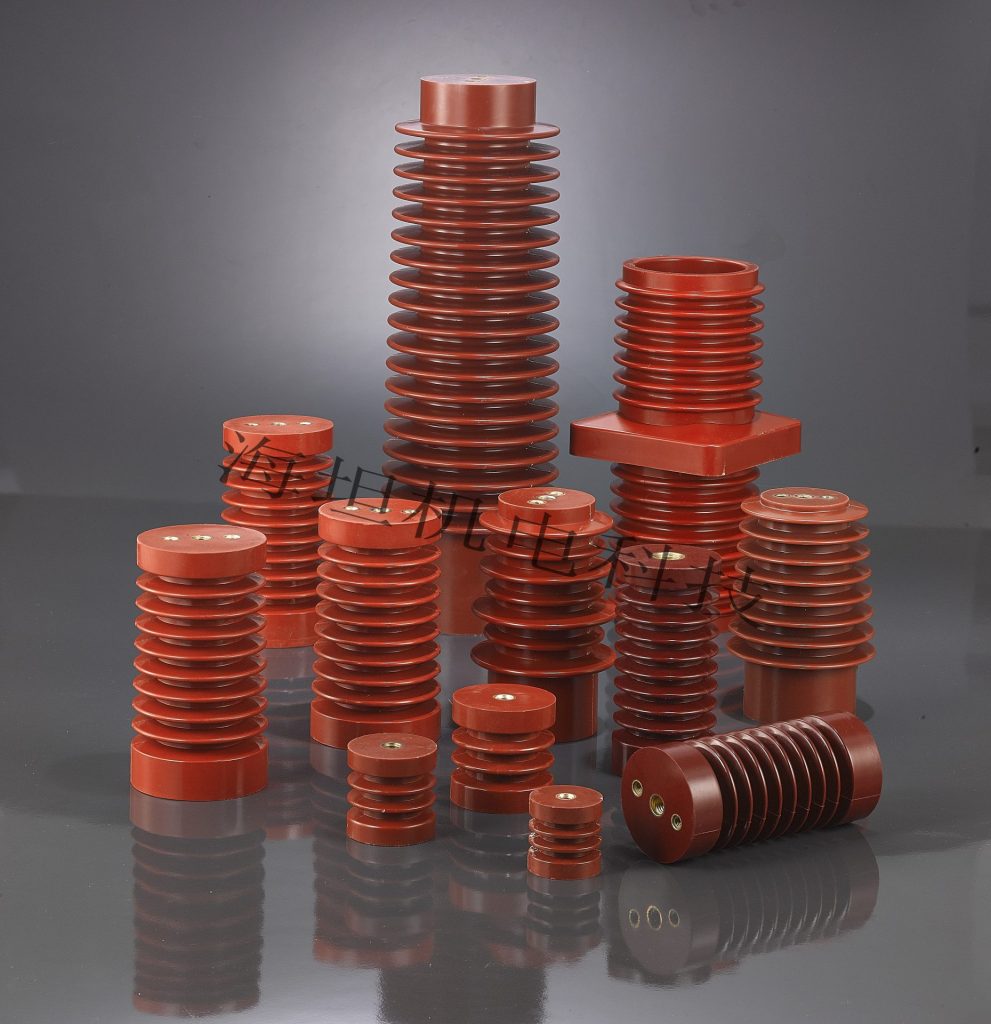
Installation Guide For Distribution Box Busbar Support Insulators
Introduction
Proper installation of busbar support insulators is essential for ensuring electrical safety, mechanical stability, and long-term reliability in distribution boxes. Even high-quality insulators can fail to perform effectively if they are installed incorrectly.
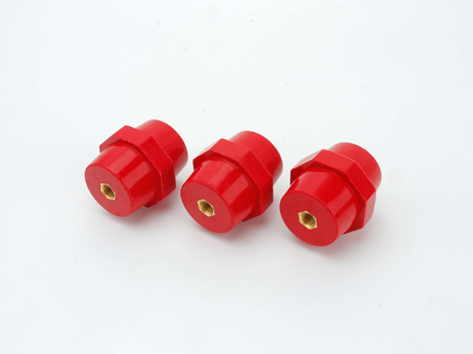
What Are Busbar Support Insulators?
Busbar support insulators are insulating components used to mount, support, and electrically isolate busbars inside a distribution box. They ensure correct clearance and creepage distances while withstanding mechanical loads caused by current flow, thermal expansion, and vibration.
They are commonly made from materials such as DMC (Dough Molding Compound) or BMC, which offer excellent electrical and mechanical performance.
Why Proper Installation Matters
Incorrect installation may result in:
Insufficient insulation clearance
Loose or misaligned busbars
Overheating and mechanical stress
Increased risk of short circuits or electrical faults
Following correct installation practices ensures compliance with electrical safety standards and extends the service life of the distribution system.
Pre-Installation Checklist
Before installation, confirm the following:
The busbar support insulator matches the system’s rated voltage and current
The insulator height meets clearance and creepage requirements
Mounting holes and thread sizes are compatible
The installation surface is clean, flat, and free of debris
All required tools and fasteners are available
Step-by-Step Installation Guide
Position the Insulator Base
Place the busbar support insulator at the designated mounting position inside the distribution box. Ensure the mounting surface is flat and aligned.
Secure the Insulator to the Panel
Use appropriate bolts or screws to fasten the insulator base to the panel or mounting plate. Tighten evenly to avoid tilting or stressing the insulator body.
Install the Busbar
Position the busbar on top of the insulator. Ensure the busbar sits securely and maintains the required electrical clearance from surrounding components.
Fasten the Busbar to the Insulator
Fix the busbar using the specified bolts, washers, and nuts. Do not overtighten, as excessive force may damage threads or cause stress cracking.
Check Alignment and Clearance
Verify that:
The busbar is straight and properly aligned
Clearance and creepage distances meet design requirements
There is no contact between live parts and the enclosure
Final Inspection
Perform a final inspection to ensure all fasteners are secure and the installation is stable. Confirm that the busbar support insulator provides firm mechanical support without deformation.
Common Installation Mistakes to Avoid
Using incorrect bolt sizes or materials
Over-tightening fasteners
Ignoring clearance and creepage distance requirements
Installing insulators on uneven or contaminated surfaces
Mixing insulators with different heights in the same busbar run
Avoiding these mistakes helps prevent premature failure and safety issues.
Maintenance and Inspection Tips
Periodically check fasteners for loosening
Inspect insulators for cracks, discoloration, or deformation
Ensure no dust or moisture accumulation affects insulation performance
Regular inspection helps maintain system reliability.
Conclusion
Proper installation of distribution box busbar support insulators is a key factor in ensuring safe, stable, and efficient power distribution. By following correct installation procedures and avoiding common mistakes, system installers and engineers can significantly improve the reliability and lifespan of low-voltage distribution systems.
A well-installed busbar support insulator is not just a mounting component—it is a critical safety element in every distribution box.
FAQ
Do busbar support insulators need special tools for installation?
No special tools are required. Standard tools such as screwdrivers, torque wrenches, and spanners are sufficient. However, using a torque wrench is recommended to avoid over-tightening.
How tight should the bolts be when fixing busbar support insulators?
Bolts should be tightened firmly but not excessively. Over-tightening may damage the insulator threads or cause internal stress, reducing insulation performance and service life.
Can busbar support insulators be installed directly on metal panels?
Yes. Busbar support insulators are designed to be mounted on metal panels or mounting plates, provided the surface is flat, clean, and securely grounded.
Is spacing between busbar support insulators important?
Yes. Proper spacing ensures mechanical stability and correct electrical clearance. Insulators should be evenly spaced according to busbar length, weight, and current rating.
Can different heights of busbar support insulators be used together?
It is not recommended. Using insulators with different heights may lead to uneven busbar alignment, mechanical stress, and reduced insulation safety.
Should busbar support insulators be inspected after installation?
Yes. After installation, a visual and mechanical inspection should be performed to confirm correct alignment, secure fastening, and adequate clearance.
How often should busbar support insulators be maintained?
In most low-voltage distribution boxes, periodic inspections during routine maintenance are sufficient. Check for loosening, cracks, discoloration, or signs of overheating.
What are the signs of incorrect installation?
Common signs include loose busbars, uneven alignment, insufficient clearance, abnormal heating, or visible damage to the insulator body.
--- END ---
 E-mail: [email protected]
  No. 20 Lingyun Road, Dongfeng
Industrial Zone, Liushi Town, Yueqing
City,Zhejiang Province


© Copyright 2024 China Haitan Electromechanical Technology Co., Ltd. All rights reserved.SUPPORT BY:JUNJ Privacy Policy
 English (United States)
  English (South Africa)
  Arabic
  Belarusian
  Bengali
  Japanese
  Kazakh
  Korean
  Myanmar
  Russian
  Thai
Thai  Ukrainian
  Uzbek
Uzbek  Vietnamese
  Chinese