
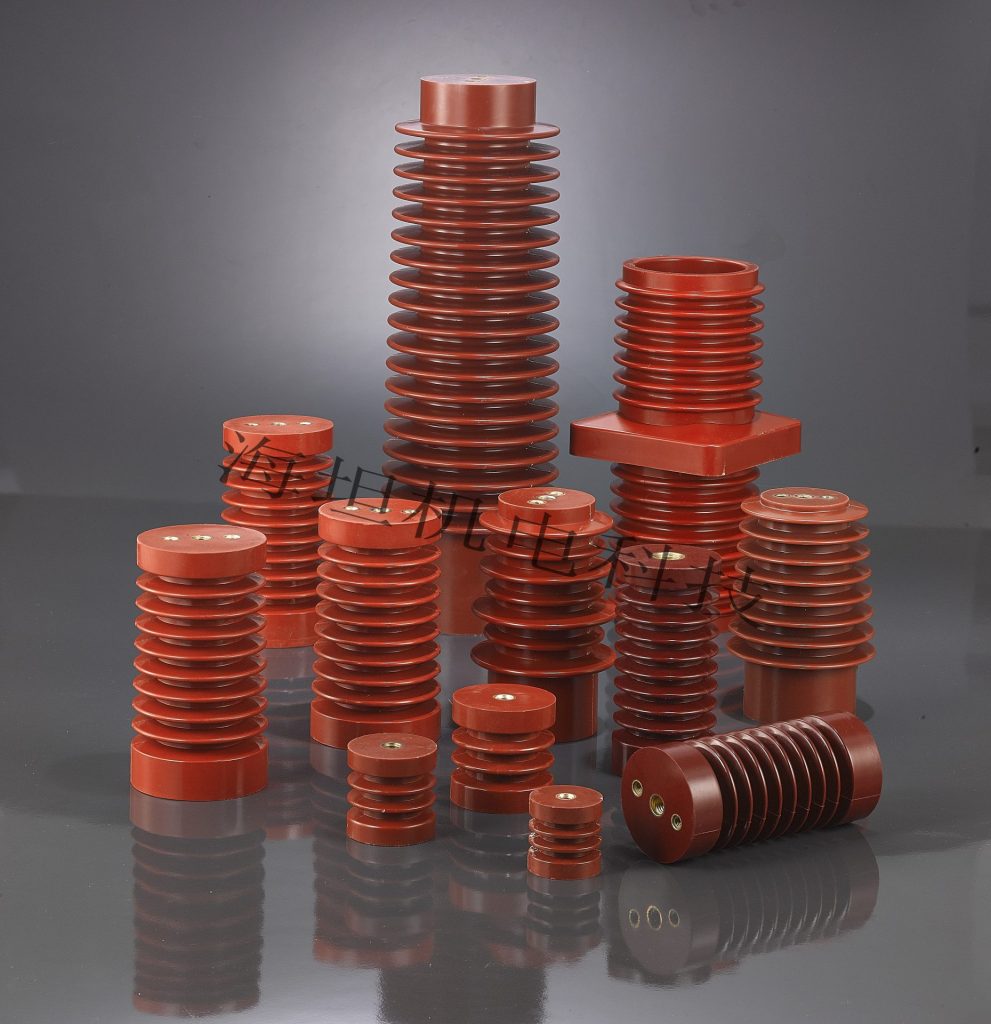
How To Choose The Right Busbar Support Insulator For A Distribution Box
Introduction
Choosing the right busbar support insulator is critical to the safety, performance, and long-term reliability of a distribution box. Busbar support insulators not only provide electrical insulation but also ensure mechanical stability, proper clearance, and organized power distribution within electrical panels.
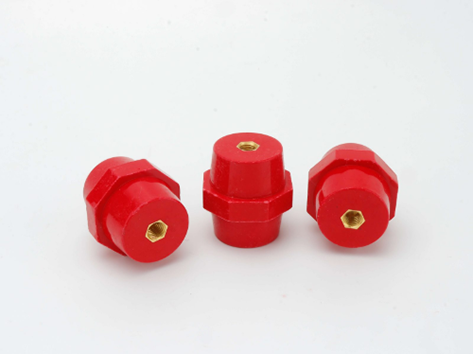
What Is a Busbar Support Insulator?
A busbar support insulator is an insulating component used to secure and support copper or aluminum busbars inside a distribution box. It maintains safe electrical distances between live conductors and grounded metal enclosures while bearing mechanical loads caused by current, heat, and vibration.
Busbar support insulators are commonly used in:
Low-voltage distribution boxes
Switchgear and power panels
Control cabinets and MCCs
Why Proper Selection Matters
An improperly selected busbar support insulator can lead to:
Reduced insulation performance
Busbar deformation or loosening
Overheating and insulation failure
Increased risk of short circuits or electrical faults
Selecting the right insulator ensures electrical safety, mechanical strength, and stable long-term operation.
Key Factors to Consider When Choosing a Busbar Support Insulator
Rated Voltage and Insulation Requirements
The insulator must meet or exceed the rated voltage of the distribution box. Pay close attention to:
Dielectric strength
Creepage distance
Clearance distance
Proper insulation performance prevents leakage currents and electrical breakdown.
Current Rating and Mechanical Load
High current generates heat and electromagnetic forces. The insulator should be able to:
Support the weight of the busbar
Withstand thermal expansion
Resist mechanical stress during short-circuit conditions
DMC and BMC insulators are widely used due to their high mechanical strength.
Material Selection
Common materials include:
DMC (Dough Molding Compound) – high strength, heat resistance, and stability
BMC (Bulk Molding Compound) – good insulation and dimensional accuracy
Engineering plastics (e.g., nylon) – suitable for light-duty applications
For industrial distribution boxes, DMC busbar support insulators are often the preferred choice.
Operating Environment
Consider the installation environment:
Temperature range
Humidity and moisture exposure
Presence of dust, chemicals, or vibration
Low water absorption and corrosion resistance are essential for harsh environments.
Size, Height, and Mounting Design
Busbar support insulators come in various:
Heights
Thread sizes
Mounting configurations
Ensure compatibility with the distribution box layout and busbar dimensions to maintain proper alignment and clearance.
Flame Retardancy and Safety Standards
Choose insulators that meet relevant electrical and fire safety standards. Flame-retardant materials help reduce fire risks in case of electrical faults.
Customization and Manufacturing Quality
For compact or non-standard distribution boxes, customized busbar support insulators may be required. Work with manufacturers that offer:
Consistent material formulation
Precise molding
Reliable quality control
Common Applications in Distribution Boxes
Busbar support insulators are widely used in:
Main distribution boards
Sub-distribution boxes
Industrial control panels
Commercial and residential electrical systems
They ensure neat busbar arrangement, stable electrical performance, and improved safety.
Common Mistakes to Avoid
Selecting insulators based on size only, ignoring electrical ratings
Using low-strength plastic insulators in high-current systems
Ignoring environmental conditions
Overlooking safety and compliance requirements
Avoiding these mistakes can significantly extend system lifespan and reliability.
Conclusion
Choosing the right busbar support insulator for a distribution box is essential for ensuring electrical safety, mechanical stability, and reliable long-term operation. By carefully evaluating voltage, current, material, environment, and installation requirements, engineers and system integrators can select the most suitable solution for their power distribution systems.
A high-quality busbar support insulator is not just a component—it is a foundation for safe and efficient power distribution.
FAQ
What is a busbar support insulator used for in a distribution box?
A busbar support insulator is used to secure and insulate busbars inside a distribution box. It maintains safe electrical clearance, supports mechanical loads, and helps prevent short circuits and electrical faults.
Which material is best for busbar support insulators?
For most low-voltage distribution boxes, DMC (Dough Molding Compound) is considered the best option due to its high mechanical strength, excellent electrical insulation, heat resistance, and long service life. BMC and engineering plastics are used in lighter-duty applications.
How do I choose the correct height of a busbar support insulator?
The correct height depends on the required clearance distance, busbar thickness, and layout of the distribution box. Always ensure the insulator height meets electrical safety standards and allows proper airflow.
Can busbar support insulators handle high current?
Yes, when properly selected. High-quality busbar support insulators made from DMC or BMC materials can safely support high-current busbars while maintaining mechanical stability and insulation performance.
Are busbar support insulators flame retardant?
Most industrial-grade busbar support insulators are flame retardant and designed to meet common electrical safety requirements, helping reduce fire risks in distribution boxes.
Can busbar support insulators be customized?
Yes. Busbar support insulators can be customized in size, height, thread type, and mounting design to match specific distribution box and busbar configurations.
What happens if the wrong busbar support insulator is used?
Using an incorrect insulator may lead to insulation failure, overheating, loose busbars, or short circuits, significantly reducing the safety and reliability of the distribution box.
--- END ---
 E-mail: [email protected]
  No. 20 Lingyun Road, Dongfeng
Industrial Zone, Liushi Town, Yueqing
City,Zhejiang Province


© Copyright 2024 China Haitan Electromechanical Technology Co., Ltd. All rights reserved.SUPPORT BY:JUNJ Privacy Policy
 English (United States)
  English (South Africa)
  Arabic
  Belarusian
  Bengali
  Japanese
  Kazakh
  Korean
  Myanmar
  Russian
  Thai
Thai  Ukrainian
  Uzbek
Uzbek  Vietnamese
  Chinese